
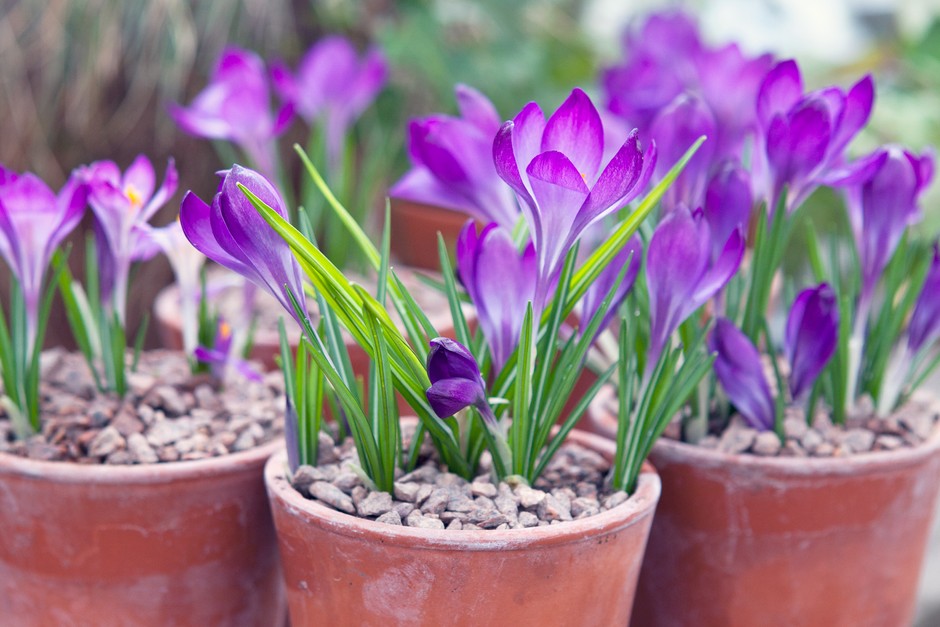
Crocus flowers have been a favorite among gardeners for centuries, thanks to their unique characteristics and ability to thrive in harsh winter conditions. These small, delicate blooms can add a touch of elegance to any garden, making them a popular choice for many garden enthusiasts.
Understanding Crocuses: The Perfect Winter Bloom
In cold climates, crocus flowers are often the first sign of spring, pushing through snow and ice to emerge with vibrant colors. But how do we grow these beautiful blooms in our own gardens? In this article, we’ll explore the best practices for planting, caring for, and enjoying crocuses.
When to Plant Crocuses
Before the ground freezes in autumn, it’s essential to plant crocus bulbs in well-draining soil. Ideal timing is about 6-8 weeks before the first frost, when the temperature of the soil is still quite low. This allows the bulbs to establish a strong root system and ensures a healthy bloom in late winter or early spring.
Choosing the Right Location for Your Crocuses
When selecting a location for your crocuses, make sure it receives full sun to partial shade, depending on your climate. The soil should be well-draining, as moisture can cause the bulbs to rot. If your soil is heavy clay or sandy, mix in organic matter like compost or leaf mold to improve its structure.
Planting Your Crocus Bulbs
To plant crocus bulbs, follow these steps:
- Plant the bulbs 2-3 inches deep and 2-4 inches apart.
- Space them in clusters of 10 or more to create a beautiful display.
- Water well after planting and keep the soil moist during the first growing season.
Caring for Your Crocuses
To ensure your crocuses receive the best care, follow these tips:
- Apply an balanced fertilizer at the beginning of autumn, if the spring is short.
- Apply a layer of mulch to retain moisture and regulate soil temperature.
- Remove any debris or dead plant material in early spring to promote healthy growth.
- Protect your crocuses from pests like rabbits, deer, and rodents by using fencing or other deterrents.
Tips for Creating a Stunning Crocus Display
To create a breathtaking display of crocuses, try these tips:
- Plant the bulbs in clusters on the north side of structures to avoid overwintering.
- Mix different colors and varieties to create a unique and interesting display.
- Consider adding other plants like grasses or shrubs to create a sense of depth and texture.
Frequently Asked Questions
Here are some common questions about crocuses that we’ve addressed:
Q: Can I plant crocus bulbs in containers?
A: Yes, but make sure the container is at least 6-8 inches deep and has good drainage.
Q: How often should I water my crocuses?
A: Water them regularly during the growing season, but avoid overwatering, which can lead to rot.
Q: Can I grow crocuses indoors?
A: Yes, but they require bright, indirect light and cooler temperatures (around 40-50°F) to bloom.
Q: Are crocus flowers toxic to humans or animals?
A: No, crocus flowers are non-toxic, but the bulbs contain a toxic compound that can cause skin irritation if ingested.
Common Pests and Diseases Affecting Crocuses
Crocus flowers are susceptible to several pests and diseases, including:
- Slugs and snails: These pests can damage the leaves and flowers of crocus plants. Use copper tape or crushed eggshells around the base of the plants to deter them.
- Aphids: These tiny insects feed on plant sap and cause curled or distorted leaves. Spray with water or neem oil to control aphid infestations.
- Powdery mildew: This fungal disease can cause white, powdery growth on leaves and flowers. Remove infected leaves and spray with a fungicide.
Growing Crocuses in Container Gardens
If you’re looking to add some color to your container garden, consider growing crocus bulbs. Here are some tips for growing crocuses in containers:
- Choose a container that is at least 6-8 inches deep and has good drainage.
- Plant the bulbs 2-3 inches deep and 2-4 inches apart.
- Use a well-draining potting mix to prevent waterlogged soil.
- Place the container in a sunny location, but avoid direct sunlight during the hottest part of the day.
Crocus Varieties: Choosing the Right Ones for Your Garden
There are many different varieties of crocus flowers, each with its own unique characteristics and growing requirements. Here are some popular varieties:
- Frosty Morn: This variety produces white, cup-shaped flowers that bloom in early spring.
- Purpureus: This variety produces deep purple, cup-shaped flowers that bloom in late winter or early spring.
- Flaming Parrot: This variety produces bright red, cup-shaped flowers with a distinctive shape.
Conclusion
Crocus flowers are a low-maintenance and beautiful addition to any garden. By following these simple tips and guidelines, you can enjoy stunning blooms of vibrant colors in late winter or early spring. Whether you’re a seasoned gardener or just starting out, crocuses are sure to delight and inspire.
FAQs
- Q: Can I plant crocus bulbs directly in the ground?
A: Yes, but make sure the soil is well-draining and the area receives full sun to partial shade. - Q: How long do crocuses take to bloom?
A: Crocuses typically bloom in late winter or early spring, about 6-8 weeks after planting. - Q: Can I grow multiple varieties of crocus together?
A: Yes, but make sure they have similar growing conditions and requirements. - Q: How often should I fertilize my crocuses?
A: Feed your crocuses with a balanced fertilizer at the beginning of autumn or in early spring. - Q: Can I grow crocus flowers in containers?
A: Yes, but make sure the container is at least 6-8 inches deep and has good drainage. - Q: Are crocus bulbs toxic to humans or animals?
A: No, crocus bulbs are non-toxic, but the toxic compound can cause skin irritation if ingested. - Q: Can I grow crocuses indoors?
A: Yes, but they require bright, indirect light and cooler temperatures (around 40-50°F) to bloom. - Q: How do I protect my crocuses from pests like rabbits and deer?
A: Use fencing or other deterrents to protect your crocuses from these common garden pests.
Additional Tips and Tricks
Here are some additional tips and tricks for growing and caring for crocus flowers:
- Deadheading: Remove spent flowers to encourage the plant to produce more blooms.
- Pruning: Trim back dead or damaged leaves to maintain the plant’s appearance and promote healthy growth.
- Soil pH: Crocuses prefer a slightly acidic to neutral soil pH, between 6.0 and 7.0.
By following these tips and guidelines, you can enjoy stunning crocus blooms in your garden all season long. Happy gardening!


