
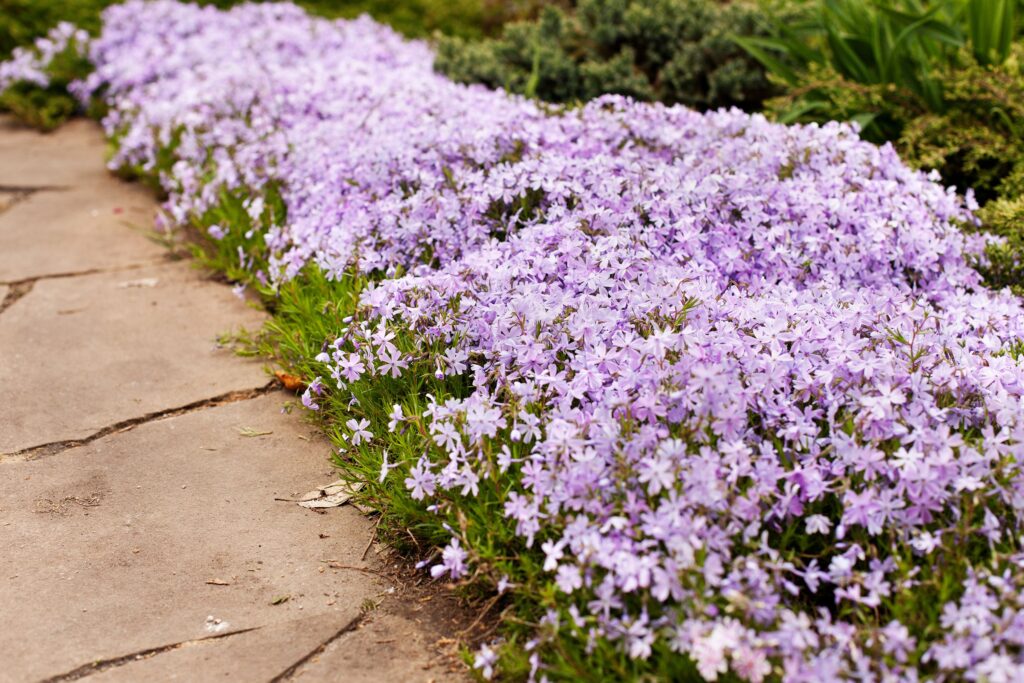
As a busy gardener, you’re always on the lookout for solutions that can save you time and effort without sacrificing beauty. One of the most effective ways to achieve this balance is by using low-maintenance ground covers, also known as creeping or spreading plants.
What are Ground Covers?
Ground covers are plants that grow close to the ground, often forming a dense mat or carpet. They’re perfect for areas where you want to suppress weeds, prevent soil erosion, and add color and texture to your garden. The term “ground cover” is often used interchangeably with “creeping plant,” but technically, creeping plants are those that spread out horizontally, while ground covers can be either.
Types of Ground Covers
There are many types of ground covers available, each with its own unique characteristics, advantages, and disadvantages. Here are some of the most popular options:
- Evergreen Ground Covers: These are perfect for areas that require year-round coverage, such as shaded spots or under trees. They come in a variety of shapes, sizes, and colors, including:
- Thyme (Thymus serpyllum): A low-growing, spreading ground cover with tiny leaves and pink flowers.
- Lavender (Lavandula spp.): A drought-tolerant ground cover with fragrant flowers and silvery-green leaves.
- Flowering Ground Covers: These add color and vibrancy to your garden while still being relatively low-maintenance. Some popular options include:
- Sedum (Sedum spp.): A succulent ground cover that produces small white, pink, or yellow flowers in the spring.
- Geranium (Geranium spp.): A flowering ground cover with bright, showy blooms and attractive foliage.
- Shade-Tolerant Ground Covers: These are perfect for areas that receive little to no direct sunlight. Some popular options include:
- Pachysandra (Pachysandra terminalis): A low-growing, spreading ground cover with glossy leaves and white flowers in the spring.
- Ophiopogon (Ophiopogon spp.): A shade-tolerant ground cover with grass-like leaves and purple flowers in the summer.
Benefits of Ground Covers
So why use ground covers? Here are just a few benefits:
- Low Maintenance: Ground covers require minimal care, making them perfect for busy gardeners or those new to gardening.
- Weed Suppression: They help suppress weeds by crowding out unwanted plants and competing for water and nutrients.
- Improved Soil Health: Some ground covers have deep roots that help improve soil structure and fertility.
- Aesthetic Appeal: Ground covers add color, texture, and interest to your garden.
Choosing the Right Ground Cover
With so many options available, choosing the right ground cover can be overwhelming. Here are a few tips to consider:
- Sunlight: Consider how much sunlight your area receives and choose a ground cover that’s suitable for those conditions.
- Moisture: Choose a ground cover that can tolerate or thrive in your local climate.
- Soil Type: Select a ground cover that’s adapted to your soil type (e.g., acidic, alkaline, sandy, clay).
- Color and Texture: Consider the color and texture of your existing plants and choose a ground cover that complements them.
Conclusion
Low-maintenance ground covers are a gardener’s best friend. They offer a range of benefits, from weed suppression to improved soil health, and come in a variety of shapes, sizes, and colors. By choosing the right ground cover for your specific needs, you can create a beautiful, thriving garden that requires minimal upkeep.
FAQs
- Q: What is the difference between a ground cover and a creeping plant?
- A: A ground cover is any plant that grows close to the ground, while a creeping plant is specifically designed to spread out horizontally.
- Q: How often do I need to water my ground covers?
- A: The watering needs of your ground covers will depend on their specific requirements, climate, and soil type. Check the label or consult with a gardening expert for guidance.
- Q: Can I use ground covers in areas with poor soil quality?
- A: Yes, some ground covers are adapted to grow in poor soil conditions, but it’s always best to check the label or consult with a gardening expert before planting.
- Q: How long does it take for my ground cover to establish itself?
- A: The establishment time of your ground cover will depend on factors like climate, soil quality, and care. Some ground covers may take several months to a year or more to fully establish themselves.
- Q: Can I use ground covers in areas with heavy foot traffic?
- A: Yes, some ground covers are designed to withstand heavy foot traffic, but it’s always best to check the label or consult with a gardening expert before planting.
- Q: How do I propagate my ground cover?
- A: Propagation methods for ground covers vary depending on the specific type. Check the label or consult with a gardening expert for guidance.
- Q: Can I mix different types of ground covers in the same area?
- A: Yes, you can mix different types of ground covers in the same area, but it’s essential to choose compatible species and ensure they have similar growing conditions.
I hope this article has been helpful in your search for low-maintenance ground covers. Happy gardening!


