
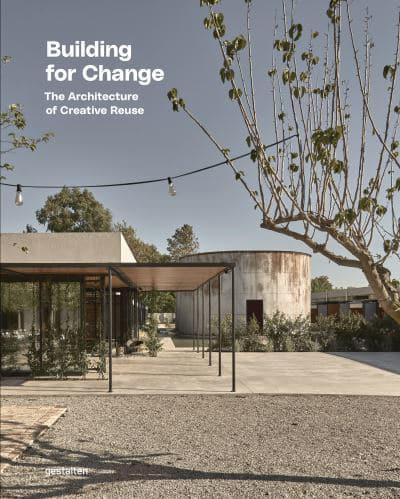
The creative reuse of materials in architecture can be categorized into two primary types. On one hand, it involves transforming discarded materials to create new ones. On the other hand, it involves using existing materials with limited modifications.
To better understand this concept, let’s explore some practical examples.
Creative Reuse through Material Transformation
In this context, products that are no longer usable become raw materials for creating new ones.
Creating Pavements and Wall Coverings from Used Tires
Used tires can be transformed into durable pavements or wall coverings. The rubber from the tire is finely chopped and mixed with an elastomer to create a new material that can be used in construction projects, such as buildings, playgrounds, or sports fields.
For instance, the city of Amsterdam has implemented a program called “Rubber Pavement” which uses recycled tires to create durable and eco-friendly pavements. The process involves collecting used tires, grinding them into small pieces, and mixing them with an elastomer to create a strong and flexible material that can withstand heavy traffic.
Similarly, glass bottles can be recycled and transformed into new materials, such as paving stones or building blocks.
For instance, the Wat Lan Kuad temple in Thailand was built using over 1.5 million recycled beer bottles, showcasing the potential of creative reuse in architecture.
Using Glass Bottles to Create a Unique Temple
The innovative use of glass bottles can also result in stunning architectural features. In this case, the temple’s design incorporated hundreds of thousands of old glass bottles, which were transformed into small blocks and used as building materials.
These blocks were then molded into bricks that were stacked on top of each other to create the structure of the temple.
Creative Reuse through Material Repurposing
In contrast, creative reuse can also involve using existing materials with minimal modifications.
Using Recycled Pallets to Create Modular Homes
One such example is the use of recycled pallets as building blocks. These modular homes are made from repurposed containers that have been transformed into habitable spaces.
These houses not only reduce waste but also provide affordable and sustainable housing options for those in need.
For instance, a company called Habitat for Humanity uses reclaimed materials to build affordable housing units. They collect used pallets, doors, and windows, and transform them into building blocks that can be easily assembled into homes.
A Creative Solution: Turning a Shipping Container into a Home
Take, for example, the container home built on-site at the Campania shopping center. The owners of this local store had an unusual request – they needed to create a stage for live music performances.
Using their creativity and resourcefulness, they converted a shipping container into a fully functional stage with seating capacity.
Other Innovative Uses of Materials
In addition to tires and pallets, other materials are also being repurposed in innovative ways. For instance:
- Old glass bottles can be melted and formed into new shapes.
- Plastic waste can be transformed into durable building materials.
- Recycled metal can be used to create unique architectural features.
For example, a company called TerraMai uses recycled plastic to create sustainable building materials, such as roofing tiles and flooring. They collect discarded plastic waste and transform it into durable materials that can withstand harsh weather conditions.
The Benefits of Creative Reuse
Creative reuse has numerous benefits for both the environment and society as a whole. By reusing existing materials, we:
- Reduce waste and conserve natural resources
- Create sustainable and eco-friendly buildings
- Provide affordable housing options
- Encourage innovation and creativity
By embracing creative reuse, we can build a more sustainable future while reducing our environmental footprint.
Case Study: The Dutch Pavilion at Expo 2010
The Dutch Pavilion at the Shanghai Expo in 2010 was designed to showcase the Netherlands’ commitment to sustainability. The pavilion’s design incorporated recycled materials, such as plastic waste and old shipping containers, into its structure.
The pavilion’s roof was made from a unique material called “Grima” which is composed of recycled plastic. This innovative material provided excellent insulation and reduced energy consumption by up to 70%.
Challenges and Opportunities
While creative reuse has many benefits, it also presents several challenges. For instance:
- Limited availability of materials: In some regions, the availability of recycled materials may be limited.
- High costs: Transforming discarded materials into new ones can be expensive.
- Quality control: Ensuring that repurposed materials meet building codes and quality standards can be challenging.
Despite these challenges, there are numerous opportunities for creative reuse in architecture. By embracing innovative design solutions, architects and designers can create sustainable buildings that reduce waste and conserve natural resources.
Conclusion
In conclusion, the creative reuse of materials in architecture is revolutionizing the way we build. By transforming discarded materials into new ones or repurposing existing materials with minimal modifications, architects and designers are creating innovative solutions that benefit both people and the planet.
Whether it’s using recycled tires to create pavements or turning old pallets into modular homes, creative reuse is an art form that requires imagination, resourcefulness, and a passion for sustainability.


