
Introduction
In today’s world, creative recycling is no longer just a hobby for those who want to have fun and play, but also for individuals who care about the environment or want to avoid buying new things. What was once considered only a Christmas toy-making activity has evolved into a full-fledged profession. It’s all about giving life to new objects and accessories by repurposing discarded materials.
Creative recycling is an art form that requires creativity, imagination, and problem-solving skills. It involves transforming everyday items into something new and useful, reducing waste, conserving resources, and promoting sustainability. With the increasing awareness of environmental issues, creative recycling has become a popular activity among individuals who want to make a positive impact on the planet.
What is Creative Recycling?
Creative recycling isn’t just throwing away trash; it’s the process of transforming everyday items into something new and useful. It’s an art form that brings together imagination, creativity, and sustainability. Anyone can become a master of creative recycling with practice and patience.
The concept of creative recycling is simple: take something old and turn it into something new. This can be done using various materials such as paper, fabric, plastic, cardboard, or even metal. The possibilities are endless, and the process requires only a little bit of creativity and imagination.
Types of Creative Recycling
There are several types of creative recycling, each with its own unique characteristics and benefits. Some common types of creative recycling include:
- Clothing: Clothing is one of the most common materials used for creative recycling. Old shirts or sweatshirts can be transformed into bags, rugs, or even cleaning rags.
- Paper: Cardboard and newspaper can be used to create new items like bags, boxes, or even decorative wall art.
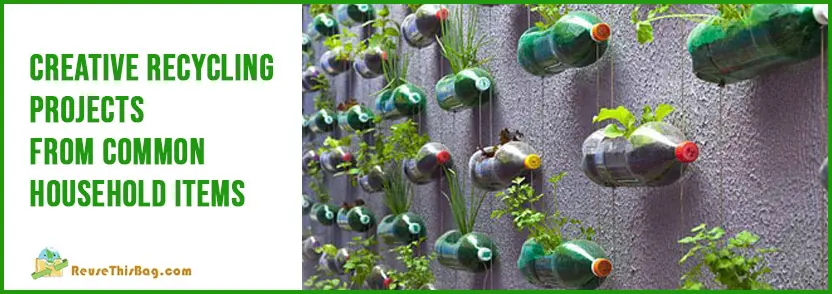
- Plastic: Bottles and other plastic materials can be transformed into new items like vases, pen holders, or even planters.
- Pallets: Old pallets can be used to create new furniture, shelves, or even garden planters.
Stoffa (Clothing)
One of the most common materials used for creative recycling is clothing. Old shirts or sweatshirts can be transformed into bags, rugs, or even cleaning rags. Take an old t-shirt, cut it into strips, and sew them together to create a reusable bag.
Another example is taking an old sweater and turning it into a cozy rug. Cut the sweater into strips, braid them, and sew them together to create a unique rug.
Old jeans can be transformed into belts, bags, or even home decor items like coasters or wall hangings. The possibilities are endless, and with a little creativity, you can turn your old clothes into something new and useful.
Carta (Paper)
Cardboard and newspaper can be used to create new items like bags, boxes, or even decorative wall art. Take a cardboard box, cut out holes for the handles, and decorate it with paint or markers. You can also use newspaper to create paper mache sculptures or decoupage on furniture.
Newspaper can be transformed into unique gifts like photo albums or picture frames. Old maps can be turned into decorative wall art or used as gift wrapping paper.
Plastica (Plastic)
Bottles and other plastic materials can be transformed into new items like vases, pen holders, or even planters. Take an empty bottle, clean it up, and cut out the bottom part to create a unique vase.
Old plastic containers can be turned into pencil holders, desk organizers, or even bird feeders. The possibilities are endless, and with a little creativity, you can turn your old plastic items into something new and useful.
Pallets
Old pallets can be used to create new furniture, shelves, or even garden planters. Simply disassemble the pallet, add some decorative nails or paint, and you’re ready to go.
Pallets can also be transformed into unique gifts like photo frames or wall hangings. Old pallet wood can be turned into beautiful wooden decorations or used as a base for handmade crafts.
Abiti (Clothing)
Not only t-shirts but also other clothing items like pants, dresses, or jackets can be transformed into new accessories like bags, belts, or even home decor items.
For example, take an old pair of jeans and turn them into a unique belt. Cut the legs off, sew them together, and add some decorative buttons or buckles.
Riciclo Creativo per Bambini (Creative Recycling for Children)
Creative recycling is not only beneficial for adults but also for children. It’s a great way to teach kids about sustainability, reuse, and creativity.
Children can be encouraged to participate in creative recycling by making toys, puppets, or other fun items from discarded materials like cardboard tubes, plastic bottles, or fabric scraps.
Benefits of Creative Recycling
Creative recycling has numerous benefits for individuals, communities, and the environment. Some of the benefits include:
- Reducing waste: Creative recycling helps reduce waste by giving old items a new purpose.
- Conserving resources: By reusing materials, we conserve natural resources like water, energy, and wood.
- Saving money: Creating something new from an old item can save money on buying new products.
- Promoting sustainability: Creative recycling promotes sustainability by reducing the need for new raw materials.
Conclusion
Creative recycling is an art form that brings together imagination, creativity, and sustainability. With a little practice and patience, anyone can become a master of creative recycling and make a positive impact on the environment.
Whether you’re looking to reduce waste, conserve resources, or simply have fun, creative recycling is the perfect activity for you. So, next time you’re about to throw something away, think twice and consider turning it into something new and useful.
Frequently Asked Questions
Q: What are some common materials used for creative recycling?
A: Common materials include clothing, cardboard, newspaper, plastic bottles, pallets, and fabric scraps.
Q: How can I get started with creative recycling?
A: Start by gathering discarded materials and experimenting with different projects. You can find inspiration online or in books on creative recycling.
Q: What are some benefits of creative recycling?
A: Creative recycling reduces waste, conserves resources, saves money, and promotes sustainability.
Q: Can I sell my creative recycled items?
A: Yes, many people sell their creative recycled items online or at local markets. With a little marketing and promotion, you can turn your passion for creative recycling into a career.
Q: Is creative recycling environmentally friendly?
A: Absolutely! Creative recycling reduces waste, conserves resources, and promotes sustainability. By making old things new again, we’re doing our part to protect the environment.
Q: How can I involve my children in creative recycling?
A: Encourage your kids to participate in creative recycling by making toys, puppets, or other fun items from discarded materials. It’s a great way to teach them about sustainability and creativity.
Q: Can I use creative recycling to make money?
A: Yes, many people sell their creative recycled items online or at local markets. With a little marketing and promotion, you can turn your passion for creative recycling into a career.



