
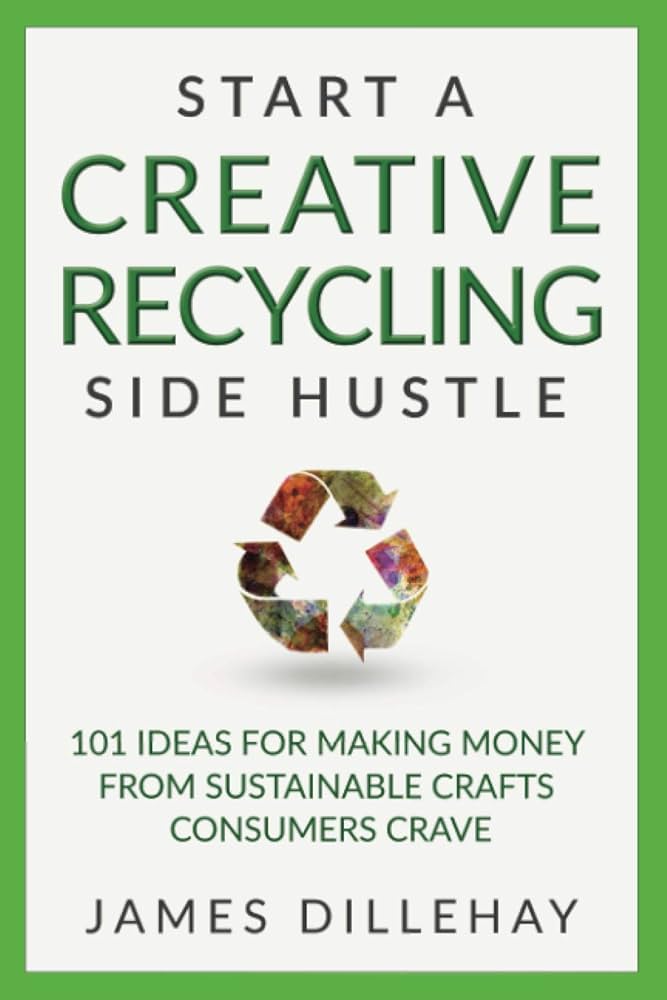
As the world grapples with the challenges of waste management and sustainability, a creative approach to recycling is gaining momentum. In Italy, the art of recycling has become a thriving industry, providing opportunities for individuals and businesses alike to turn waste into wealth. In this article, we’ll explore the fascinating world of creative recycling, highlighting success stories and inspiring examples of entrepreneurs who have turned trash into treasure.
The Power of Creative Recycling
Creative recycling is not just about reusing materials; it’s an art form that transforms waste into something beautiful, functional, or even decorative. By leveraging their creativity, individuals can give new life to discarded items, reducing the amount of waste sent to landfills and promoting sustainability.
Armando Ramirez, a creative genius from Italy, has made a name for himself by repurposing old car parts into unique pieces of art. His latest masterpiece, a chessboard crafted from vintage auto parts, is a testament to his ingenuity and creativity. With prices ranging from €190 to €185, this piece of art is not only eco-friendly but also a conversation starter.
The Art of Creative Recycling: Success Stories
Creative recycling has inspired many entrepreneurs to explore the world of sustainable design. Brian Marshall, for example, creates miniature robots using recycled materials, which he sells in his store for prices ranging from $10 to over $200. Franco Recchia, an Italian artist, has even gained recognition for his eco-friendly artwork, which has been exhibited at the prestigious Agora Gallery in New York.
Catherine Edouard Charlot, a fashion designer, takes creative recycling to the next level by creating stunning garments from discarded materials, such as old umbrellas. Her latest collection is a testament to her innovative approach to sustainable design.
The Benefits of Creative Recycling
So, what makes creative recycling so appealing? Not only does it promote sustainability and reduce waste, but it also provides an opportunity for entrepreneurs to tap into the growing market for eco-friendly products.
By embracing creative recycling, individuals can:
- Reduce their carbon footprint
- Contribute to a more circular economy
- Create unique products with a story to tell
- Support sustainable businesses
How Creative Recycling Works
Creative recycling involves a range of processes and techniques, from collecting and sorting materials to designing and manufacturing new products. Here’s an overview of the creative recycling process:
- Material Collection: Gather discarded materials, such as old electronics, fabric scraps, or plastic waste.
- Sorting and Cleaning: Sort and clean the collected materials to prepare them for reuse.
- Design and Planning: Design and plan new products using the recycled materials.
- Manufacturing: Manufacture the new products using the recycled materials.
- Marketing and Sales: Market and sell the creative recycled products.
Creative Recycling Techniques
There are several techniques used in creative recycling, including:
- Upcycling: Transforming old or discarded materials into new, higher-value products.
- Repurposing: Giving new life to existing materials by repurposing them for different uses.
- Recycling: Converting waste materials into raw materials that can be used to manufacture new products.
The Impact of Creative Recycling
Creative recycling has a significant impact on the environment and society as a whole. By reducing waste and promoting sustainability, creative recycling contributes to:
- Reducing Greenhouse Gas Emissions: By decreasing the amount of waste sent to landfills, creative recycling helps reduce greenhouse gas emissions.
- Conserving Natural Resources: Creative recycling helps conserve natural resources by reusing materials that would otherwise be extracted from the earth.
Conclusion
Creative recycling is no longer just a niche industry; it’s a movement that has the power to transform waste into wealth. By embracing this approach, individuals and businesses can make a positive impact on the environment while also driving innovation and entrepreneurship.
As we look to the future, creative recycling will continue to play an increasingly important role in shaping our relationship with waste and sustainability.
Frequently Asked Questions
Q: What is creative recycling?
A: Creative recycling is the process of transforming waste into new, valuable products using innovative and sustainable methods.
Q: How can I get started with creative recycling?
A: Start by exploring local markets or online platforms that showcase eco-friendly products. You can also join creative recycling communities or attend workshops to learn more about this exciting field.
Q: Is creative recycling only for artists or designers?
A: No, anyone can participate in creative recycling, regardless of their profession or skill level. Whether you’re a student, entrepreneur, or simply someone passionate about sustainability, there’s an opportunity to get involved.
Q: Can I sell my creations made from recycled materials?
A: Absolutely! Creative recycling has opened up new avenues for entrepreneurship and sales opportunities. You can explore local markets, online platforms, or even establish your own brand to showcase your unique products.
Q: What are the benefits of creative recycling?
A: The benefits of creative recycling include reducing waste, promoting sustainability, creating unique products with a story to tell, and supporting eco-friendly businesses.
Q: How can I learn more about creative recycling?
A: Stay up-to-date by following online platforms, attending workshops or conferences, and joining local creative recycling communities.


