
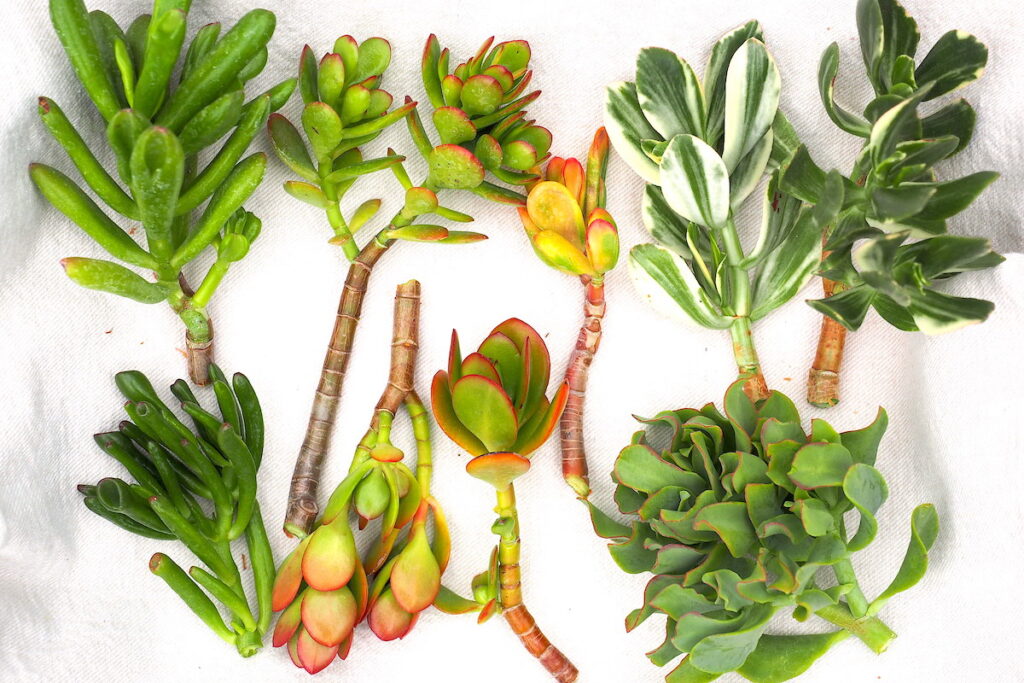
As a houseplant enthusiast, you’re probably no stranger to the world of succulents. But have you ever heard of Crassula? This lesser-known plant is actually quite popular and easy to care for. In this article, we’ll explore the different varieties of Crassula, how to cultivate them, and some common issues that might arise.
Getting to Know Crassula
Crassula is a type of succulent that’s also known as Jade Plant or Money Tree. It’s native to Africa and has been cultivated for centuries. This plant is known for its small, thick leaves that can store water, making it perfect for dry environments.
Crassula has become increasingly popular in recent years due to its low-maintenance requirements and ability to thrive in indoor conditions. With over 300 species of Crassula, there’s a variety to suit every taste and decor. Whether you’re a seasoned succulent enthusiast or just starting out, Crassula is definitely worth considering.
Varieties of Crassula
There are numerous varieties of Crassula, each with its unique characteristics. Here are some popular species:
- Crassula ovata: Also known as the Jade Plant or Money Tree, this variety has thick, green leaves with a red border. It’s one of the most widely cultivated species and is often used in landscaping.
- Crassula arborescens: This variety has slender, branch-like stems and small, rounded leaves in shades of green, white, and red. It’s often grown as an ornamental plant in gardens and landscapes.
- Crassula portulacea: Also known as the Spider Plant or Money Tree, this variety has leaves with wavy edges and produces white flowers. It’s a popular choice for hanging baskets and container gardens.
Growing Crassula
Growing Crassula is relatively easy, making it an excellent choice for beginners. Here are some tips to keep in mind:
- Place your Crassula in a spot with plenty of sunlight, but avoid direct sunlight that can cause burning.
- Water sparingly, as overwatering can be detrimental to the plant. Make sure the soil is dry to the touch before watering again.
- Use a well-draining potting mix and fertilize sparingly during the growing season (spring-fall).
- Prune your Crassula regularly to maintain its shape and promote healthy growth.
Propagation Techniques
Propagating Crassula is relatively easy and can be done through leaf cuttings, stem cuttings, or division. Here are some methods:
- Leaf Cuttings: Take a healthy leaf from the mother plant, remove lower leaves, and plant it in well-draining soil.
- Stem Cuttings: Cut a stem section from the mother plant, remove lower leaves, and plant it in well-draining soil.
- Division: Carefully separate the roots of the mother plant to create new plants.
Common Issues with Crassula
While Crassula is generally easy to care for, there are some common issues that might arise:
- Leaf Drop: If your Crassula is losing leaves, it may be due to overwatering or underwatering. Make sure the soil is dry to the touch before watering again.
- Pests: Check your plant regularly for pests like spider mites, mealybugs, and scale.
- Root bound: If your Crassula has outgrown its pot, it’s time to transplant it into a larger container.
Where to Buy Crassula
You can find Crassula at most nurseries and home improvement stores. Online retailers like Amazon also carry a wide selection of Crassula varieties. Some popular online sellers include:
- The Sill
- ProFlowers
- Succulents & Cacti
Care Tips for Different Lighting Conditions
Crassula can thrive in various lighting conditions, but some species may require more light than others. Here are some care tips for different lighting conditions:
- Bright Light: Crassula species like Crassula ovata and Crassula arborescens prefer bright light. Place the plant near a sunny window or use grow lights.
- Medium Light: Some Crassula varieties, such as Crassula portulacea, can tolerate medium light. Place the plant in a spot with filtered sunlight or indirect artificial lighting.
- Low Light: Crassula species like Crassula ovata and Crassula arborescens can tolerate low light conditions. Place the plant near an east- or west-facing window.
Watering Techniques
Watering is essential for maintaining your Crassula’s health. Here are some watering techniques to keep in mind:
- Check the Soil: Stick your finger into the soil up to the first knuckle, and if it feels dry, water.
- Water Thoroughly: Water your Crassula thoroughly until water drains from the bottom of the pot.
- Avoid Overwatering: Don’t overwater your Crassula, as this can cause root rot.
Fertilization Techniques
Fertilizing is an essential part of maintaining a healthy Crassula. Here are some fertilization techniques to keep in mind:
- Use a Balanced Fertilizer: Use a balanced fertilizer (20-20-20) during the growing season.
- Avoid Overfertilizing: Don’t overfertilize your Crassula, as this can cause more harm than good.
Pruning Techniques
Pruning is an excellent way to maintain your Crassula’s shape and promote healthy growth. Here are some pruning techniques to keep in mind:
- Remove Dead Leaves: Remove any dead or damaged leaves from the plant.
- Trim Back Overgrowth: Trim back overgrown branches to maintain the plant’s shape.
Pest Control Techniques
Pests can be a nuisance when growing Crassula. Here are some pest control techniques to keep in mind:
- Inspect Your Plant Regularly: Inspect your Crassula regularly for signs of pests.
- Use Neem Oil: Use neem oil to repel pests and treat infestations.
Common Pests
Some common pests that can affect Crassula include:
- Spider mites
- Mealybugs
- Scale
Propagation Tips
Propagating Crassula is relatively easy and can be done through leaf cuttings, stem cuttings, or division. Here are some propagation tips to keep in mind:
- Use Healthy Materials: Use healthy materials for propagation, such as healthy leaves or stems.
- Plant Immediately: Plant the propagated material immediately after preparation.
Conclusion
Crassula is a low-maintenance houseplant that’s easy to care for and can thrive in indoor conditions. With over 300 species of Crassula, there’s a variety to suit every taste and decor. By following the care tips outlined in this article, you’ll be well on your way to becoming a Crassula expert.


