
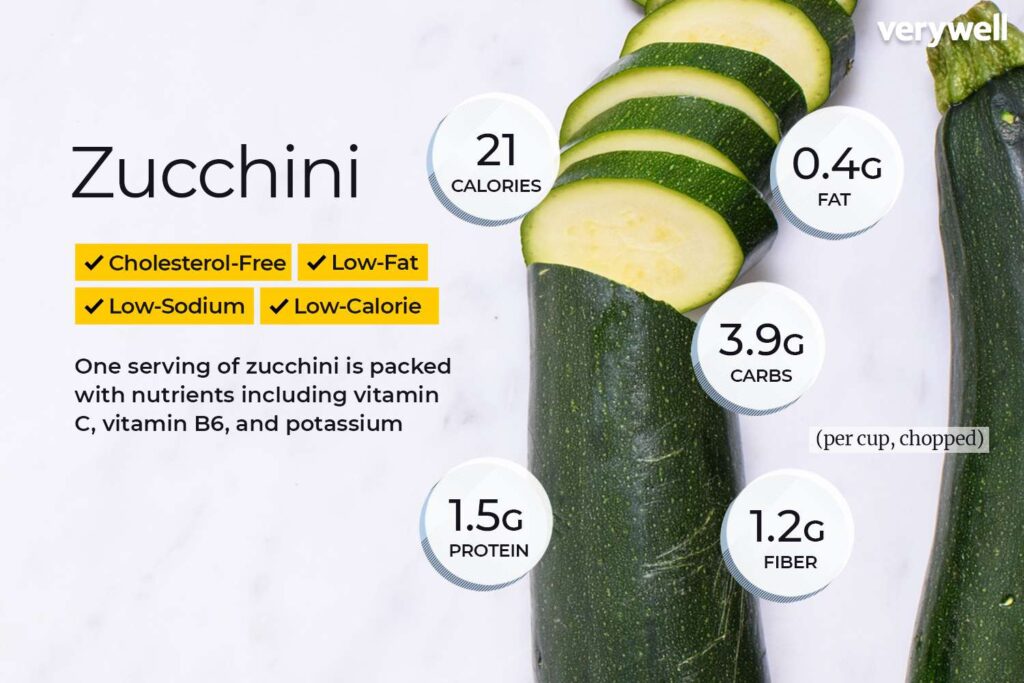
As a versatile ingredient in many cuisines, zucchini is often overlooked as a superfood. However, this delicious and nutritious vegetable offers numerous health benefits that can be attributed to its rich composition of vitamins, minerals, and antioxidants.
In this article, we will delve into the world of zucchini, exploring its nutritional properties, medicinal benefits, and tips on how to choose the freshest and highest-quality produce.
The Nutritional Powerhouse: Vitamins, Minerals, and Antioxidants
Zucchini is an excellent source of essential vitamins and minerals, including:
- Vitamin A: essential for healthy vision, immune function, and skin health
- Vitamins B: play a crucial role in energy metabolism, nerve function, and heart health
- Vitamin C: vital for immune function, collagen production, and iron absorption
- Potassium: helps regulate blood pressure, promotes bone health, and supports muscle function
- Magnesium: essential for muscle and nerve function, heart rhythm, and bone health
- Zinc: crucial for immune function, wound healing, and protein synthesis
In addition to these essential nutrients, zucchini is also rich in antioxidants like vitamin E, which helps protect cells from damage caused by free radicals.
The Antioxidant and Anti-Inflammatory Properties of Zucchini
Zucchini contains a range of phytochemicals that have been shown to possess antioxidant and anti-inflammatory properties. These compounds may help:
- Reduce the risk of chronic diseases: such as heart disease, diabetes, and certain cancers
- Improve cognitive function: by reducing inflammation and promoting healthy brain cell growth
- Support immune function: by enhancing the production of white blood cells and activating natural killer cells
The Role of Zucchini in Supporting Bone Health
Zucchini is a rich source of calcium, which is essential for maintaining strong bones. Additionally, zucchini contains other nutrients like vitamin K, magnesium, and potassium that also contribute to bone health.
How to Choose the Freshest and Highest-Quality Zucchini
When selecting zucchini, look for:
- Bright green color: indicates high chlorophyll content and freshness
- Smooth skin: free of bruises and blemishes
- Heavy weight: suggests high water content and freshness
- No signs of wilting: if the zucchini is slightly wilted, it may be past its prime
Tips for Preparing and Cooking Zucchini
To maximize the nutritional benefits of zucchini, prepare and cook it using:
- Low heat: to prevent nutrient loss and preserve delicate compounds
- Minimal processing: to minimize exposure to heat, water, and other potential damage factors
- Delicate cooking methods: such as steaming, roasting, or grilling, which help retain nutrients and flavor
The Benefits of Zucchini for Heart Health
Zucchini is a low-calorie, high-fiber vegetable that can help support heart health. The potassium content in zucchini can help regulate blood pressure, while the fiber content can help lower cholesterol levels.
How to Incorporate Zucchini into Your Diet
Incorporating zucchini into your diet is easy and delicious. Here are some ideas:
- Add it to salads: use sliced or chopped zucchini as a crunchy topping for salads
- Use it in stir-fries: add diced zucchini to your favorite stir-fry recipes
- Make a zucchini bread: use grated zucchini as an alternative to flour in your favorite bread recipe
- Add it to omelets and frittatas: use chopped or sliced zucchini as a nutritious addition to breakfast dishes
Conclusion
Zucchini is a nutritional powerhouse that offers numerous health benefits due to its rich composition of vitamins, minerals, and antioxidants. By choosing the freshest and highest-quality produce, preparing and cooking it using minimal processing methods, and incorporating it into your diet, you can unlock the full potential of this amazing vegetable.
Frequently Asked Questions (FAQs)
- What are the health benefits of zucchini?
Zucchini is rich in vitamins, minerals, and antioxidants, which may help reduce the risk of chronic diseases, improve cognitive function, and support immune function. - How do I choose the freshest zucchini?
Look for bright green color, smooth skin, heavy weight, and no signs of wilting when selecting zucchini. - What are some ways to prepare and cook zucchini?
Use low heat, minimal processing methods, and delicate cooking techniques like steaming, roasting, or grilling to maximize nutritional benefits and flavor. - Can I eat zucchini raw?
Yes, zucchini can be eaten raw, but it may be more nutritious when cooked using gentle heat and minimal processing methods. - Are there any potential side effects of consuming zucchini?
While generally safe, excessive consumption of zucchini may cause digestive issues in some individuals.


