
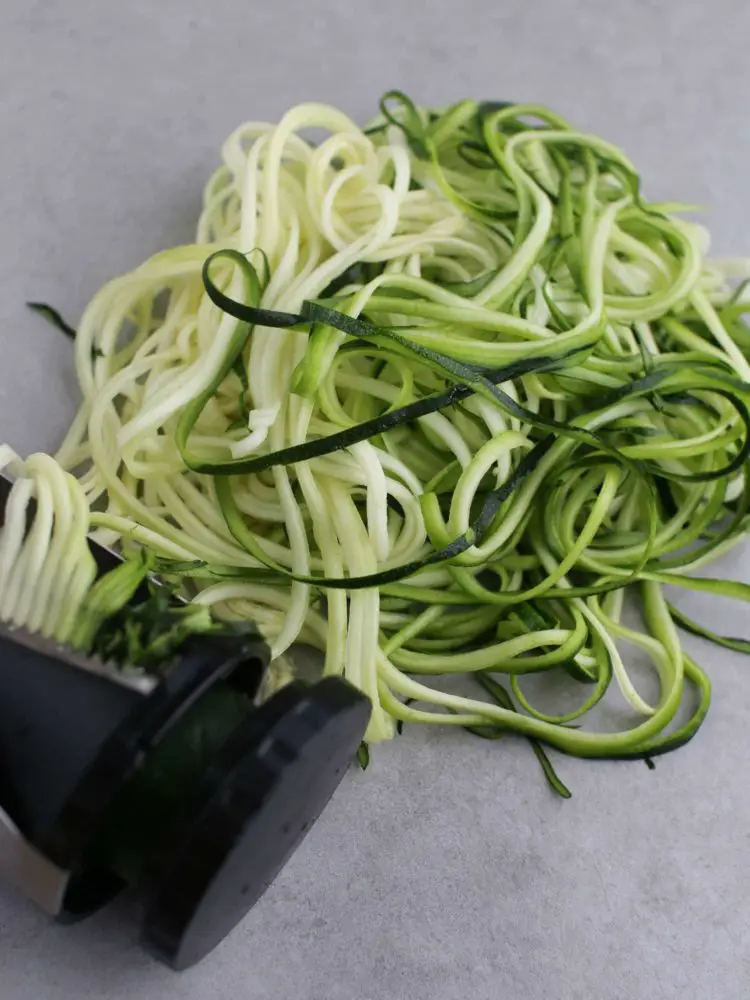
Spaghetti squash, the low-carb alternative to traditional spaghetti. This versatile vegetable can be prepared in various ways, making it a great option for vegetarians, vegans, and meat-eaters alike. In this article, we’ll explore how to prepare spaghetti squash, its nutritional benefits, and provide you with some creative recipe ideas.
What is Spaghetti Squash?
Spaghetti squash is a type of winter squash that belongs to the Cucurbitaceae family. It’s characterized by its unique, fork-like flesh that resembles traditional spaghetti. The squash is native to North America and has been cultivated for over 1,000 years.
The history of spaghetti squash dates back to the Native American tribes who first cultivated it in North America. The vegetable was later introduced to Italy by Italian immigrants who brought their own version of pasta with them. Today, spaghetti squash is enjoyed worldwide as a nutritious and delicious alternative to traditional pasta.
How to Prepare Spaghetti Squash
There are two ways to prepare spaghetti squash: using an electric spiralizer or by manually cutting the squash into thin strips. Here’s a step-by-step guide on how to do it:
Using an Electric Spiralizer
- Preheat your oven to 400°F (200°C).
- Cut the squash in half lengthwise and scoop out the seeds.
- Use an electric spiralizer to create long, thin strands of squash.
- Place the strands on a baking sheet lined with parchment paper.
- Drizzle with olive oil and season with salt.
Manually Cutting Spaghetti Squash
- Preheat your oven to 400°F (200°C).
- Cut the squash into thin slices or strips.
- Place the slices on a baking sheet lined with parchment paper.
- Drizzle with olive oil and season with salt.
- Bake in the oven for 20-30 minutes, or until tender.
Tips and Variations
- Use a mandoline or food processor to create long, thin strands of squash.
- Add flavor to your spaghetti squash by seasoning it with herbs and spices before baking.
- Experiment with different cooking methods, such as grilling or sautéing, for added texture and flavor.
- To make the preparation process easier, you can roast the squash in the oven instead of using an electric spiralizer.
Benefits of Spaghetti Squash
Spaghetti squash is a nutrient-rich vegetable that offers numerous health benefits. Here are some of the key advantages of incorporating spaghetti squash into your diet:
- Low in Calories: Spaghetti squash is low in calories, making it an excellent alternative to traditional pasta.
- Rich in Fiber: The high fiber content of spaghetti squash helps promote digestive health and satiety.
- High in Vitamins and Minerals: Spaghetti squash is rich in vitamins C and E, potassium, and other essential minerals.
- Gluten-Free: Spaghetti squash is a great option for those with gluten intolerance or celiac disease.
Recipe Ideas
Here are some creative recipe ideas that showcase the versatility of spaghetti squash:
Spaghetti Squash with Panna and Piselli
Ingredients:
- 2 medium-sized spaghetti squash
- 1 cup fresh peas
- 1/4 cup panna da cucina (or substitute with curry or vegan cream)
- 2 tablespoons olive oil
- Salt and pepper to taste
- Parmesan cheese and prezzemolo for garnish
Instructions:
- Cook the spaghetti squash according to your preferred method.
- Sauté the peas in a pan with olive oil until tender.
- Add the panna da cucina (or substitute) to the pan and stir well.
- Combine the cooked spaghetti squash and pea mixture, season with salt and pepper to taste.
- Serve hot, garnished with Parmesan cheese and prezzemolo.
Spaghetti Squash with Gamberetti
Ingredients:
- 2 medium-sized spaghetti squash
- 1 cup cooked shrimp (gambetta)
- 1/4 cup panna da cucina (or substitute with curry or vegan cream)
- 1 tablespoon olive oil
- Salt and pepper to taste
- Semolina di lino for garnish
Instructions:
- Cook the spaghetti squash according to your preferred method.
- Sauté the shrimp in a pan with olive oil until pink and cooked through.
- Add the panna da cucina (or substitute) to the pan and stir well.
- Combine the cooked spaghetti squash and shrimp mixture, season with salt and pepper to taste.
- Serve hot, garnished with semolina di lino.
Curiosities
Did you know that spaghetti squash is also known as zucchini? While both terms are interchangeable, the correct term is actually “spaghetti squash.” However, both forms are widely accepted in the culinary world.
Q: What is the nutritional value of spaghetti squash?
A: Spaghetti squash is low in calories and rich in nutrients like vitamin C, potassium, and fiber. It’s a great alternative to traditional pasta for those looking for a healthier option.
Q: Can I use spaghetti squash as a substitute for zucchini in recipes?
A: While both vegetables can be used interchangeably, they have different textures and flavors. Spaghetti squash is best used as a substitute for traditional pasta, while zucchini can be used in a variety of dishes, such as stir-fries and salads.
Q: How do I store spaghetti squash after cooking?
A: Cooked spaghetti squash can be stored in the refrigerator for up to 3 days or frozen for up to 6 months.
Q: Can I use spaghetti squash in soups and stews?
A: Yes, you can use cooked spaghetti squash as a base for soups and stews. Simply add your favorite ingredients and let it simmer until the flavors have melded together.
Q: Are there any cultural or historical references to spaghetti squash?
A: While spaghetti squash is not native to Italy, it has been cultivated in North America for over 1,000 years. The vegetable has become a staple in many cuisines, including Italian-American and Southern American cooking.
Q: Can I grow my own spaghetti squash?
A: Yes, you can grow your own spaghetti squash by planting seeds in well-draining soil with full sun. Make sure to provide adequate water and care for the plant until it’s ready to harvest.
Conclusion
Spaghetti squash is a versatile and nutritious vegetable that offers numerous health benefits. With its low calorie count, high fiber content, and rich vitamin and mineral profile, spaghetti squash is an excellent alternative to traditional pasta. Whether you’re a vegetarian, vegan, or meat-eater, there’s no denying the deliciousness of this winter squash. So next time you’re planning your meals, consider incorporating spaghetti squash into your diet – your taste buds and body will thank you!


