
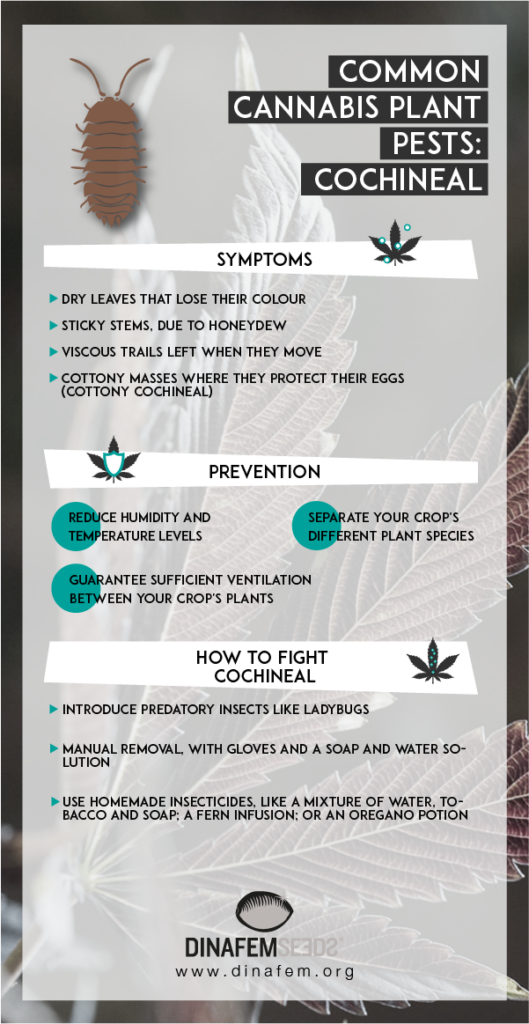
As the summer months approach, many gardeners face the problem of infested plants with cottony aphids. These tiny insects can cause significant damage to crops and ornamental plants, leading to reduced yields and plant decline. In this article, we will explore natural remedies for eliminating cottony aphids from your plants without using chemical pesticides.
Understanding Cottony Aphid
Cottony aphids are a type of insect that feeds on plant sap, causing curled or distorted leaves, stunted growth, and reduced fruit production. They are known to infest a wide range of plants, including roses, ornamental shrubs, and citrus trees. The cottony appearance of these aphids comes from the white, fluffy coating they produce as a defense mechanism.
The Dangers of Chemical Pesticides
While chemical pesticides can provide quick relief, many gardeners prefer to use natural remedies to control infestations. Here are some effective methods:
- Environmental Impact: Chemical pesticides can contaminate soil, water, and air, posing risks to both humans and wildlife.
- Resistance Development: Overuse of chemical pesticides can lead to the development of pesticide-resistant pest populations.
- Human Health Risks: Exposure to chemical pesticides has been linked to various health problems, including cancer, neurological damage, and reproductive issues.
Natural Remedies for Cottony Aphid
While chemical pesticides can provide quick relief, many gardeners prefer to use natural remedies to control infestations. Here are some effective methods:
Physical Removal
One of the most straightforward ways to eliminate cottony aphids is through physical removal. This method involves manually removing the aphids from the plant using a soft brush or cotton swabs.
- To do this, wear gloves and dip a clean cotton swab into a solution of soapy water.
- Gently stroke the affected area with the cotton swab, removing as many aphids as possible.
- Repeat the process regularly to ensure that all stages of the aphid life cycle are targeted.
Neem Oil
Neem oil is a popular natural pesticide that can be used to control cottony aphids. It works by disrupting the insect’s hormone system, preventing reproduction and growth.
- To use neem oil, mix 2 tablespoons with 1 quart of water.
- Spray the solution onto the affected area, making sure to cover all surfaces.
- Repeat the process every 7-10 days to maintain control.
Soap Solution
A soap solution can also be used to kill cottony aphids. The soap dissolves the insect’s exoskeleton, causing death.
- Mix 1 tablespoon of mild dish soap with 1 quart of water.
- Spray the solution onto the affected area, making sure to cover all surfaces.
- Repeat the process every 7-10 days to maintain control.
Insecticidal Soap
Insecticidal soap is a gentle, non-toxic pesticide that can be used to control cottony aphids. It works by breaking down the insect’s exoskeleton, causing death.
- Mix 1 tablespoon of insecticidal soap with 1 quart of water.
- Spray the solution onto the affected area, making sure to cover all surfaces.
- Repeat the process every 7-10 days to maintain control.
Garlic Spray
Garlic has natural insecticidal properties that can be used to control cottony aphids. The garlic spray works by repelling the insects and preventing them from feeding on plant sap.
- Mix 3 cloves of minced garlic with 1 quart of water.
- Let the mixture sit for 24 hours before straining and using it as a spray.
- Spray the solution onto the affected area, making sure to cover all surfaces.
Predatory Insects
Another approach to controlling cottony aphids is by introducing predatory insects into the garden. These insects feed on the aphids, helping to regulate their population.
- Lady beetles and lacewings are two examples of predatory insects that can be used to control cottony aphids.
- Release these insects into the garden in the early morning or evening to minimize disturbance.
Biological Control
Biological control involves using natural predators or parasites to control cottony aphid populations. This approach is often more effective than chemical pesticides, as it targets the entire ecosystem rather than just the pest.
- The parasitic wasp Aphidoletes ervi is a natural predator of cottony aphids.
- Release this parasite into the garden in the early morning or evening to minimize disturbance.
Companion Planting
Finally, companion planting can be used to control cottony aphid populations. Some plants, such as marigolds and nasturtiums, repel aphids through their scent or taste.
- Plant these companion crops around the affected area to help deter aphids.
- Repeat the process regularly to maintain control.
Conclusion
Cottony aphids can be a significant problem for gardeners, but there are many natural remedies available to control them. By using physical removal, neem oil, soap solutions, insecticidal soap, garlic spray, predatory insects, biological control, and companion planting, you can effectively eliminate cottony aphids from your plants without using chemical pesticides.
Frequently Asked Questions
- What are the benefits of using natural remedies for cottony aphid control?
- Natural remedies offer several benefits, including reduced risk to beneficial insects, minimal environmental impact, and a more sustainable approach to pest management.
- Can I use neem oil on all plants?
- Neem oil is generally safe for most plants, but it’s essential to test a small area first to ensure compatibility. Avoid using neem oil on citrus trees or tomatoes, as it can cause damage.
- How often should I apply soap solutions and insecticidal soap?
- Repeat the process every 7-10 days to maintain control. However, if you notice a significant increase in aphid populations, reapply more frequently.
- Can garlic spray be used on indoor plants?
- Garlic spray can be used on indoor plants, but be cautious not to overwater or cause root burn.
By using these natural remedies for cottony aphid control, you can create a healthier and more sustainable garden ecosystem.


