
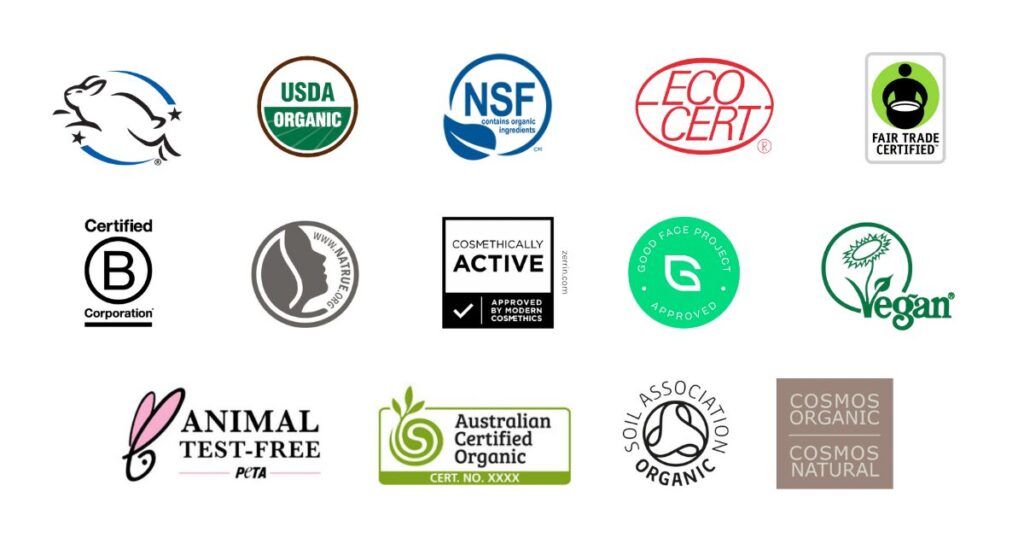
As we make our way through the aisles of health food stores or pharmacies, it’s easy to get overwhelmed by the numerous options available for natural and organic cosmetics. With so many certifications claiming to ensure the quality and safety of these products, it can be challenging to know which ones to trust. In this article, we’ll delve into the world of cosmetics certifications, exploring the most reputable and recognized standards in the industry.
The Importance of Cosmetics Certifications
When choosing a natural or organic cosmetic product, it’s essential to consider the certifications that guarantee its quality and safety. These certifications not only provide assurance to consumers but also protect the environment and promote sustainable practices. In this article, we’ll focus on the most prominent cosmetics certifications, examining their standards, benefits, and differences.
1. Bio Eco Cosmesi Aiab Certification
The Bio eco cosmesi Aiab certification is awarded by the Association of Organic Agriculture (Aiab) in Italy. This certification ensures that products contain no genetically modified organisms (GMOs), are free from allergenic and irritating substances, and adhere to strict sustainability standards.
Key Benefits:
- Guarantees the absence of GMOs
- Ensures the use of sustainable ingredients
- Adheres to rigorous standards for ingredient safety
2. Icea Certification
The Icea (Institute for Ethical and Environmental Certification) is a prominent certification body that awards its seal to natural products, including cosmetics. The Icea certification requires strict standards for product formulation, ensuring that the final product is suitable for sensitive skin or allergies.
Key Benefits:
- Ensures ingredient purity and compatibility
- Adheres to rigorous standards for product safety
3. Cosmos Certification
The Cosmos certification is awarded by Icea and comes in two variants:
- Cosmos Organic: For organic products, ensuring the use of 95% natural and certified biodynamic ingredients.
- Cosmos Natural: For natural products, adhering to strict standards for ingredient safety and sustainability.
Key Benefits:
- Ensures the use of natural and sustainable ingredients
- Adheres to rigorous standards for product safety
4. Natrue Certification
The Natrue certification is considered one of the most prestigious in the cosmetics industry. Awarded by the International Natural and Organic Cosmetics Association, this certification requires products to adhere to strict standards for:
- Ingredient origin (natural)
- Sustainable production methods
- Agronomic biodynamics
Key Benefits:
- Ensures the use of natural ingredients from sustainable sources
- Adheres to rigorous standards for product safety
5. Demeter Certification
The Demeter certification is awarded by the Association for the Protection of Biodiversity in Italy. This certification adheres to strict standards, including:
- Demeter/Biodynamic method
- Sustainable production practices
- Ingredient origin (natural)
Key Benefits:
- Ensures the use of sustainable ingredients from natural sources
- Adheres to rigorous standards for product safety
6. Ecocert Certification
The Ecocert certification is awarded by a French organization and requires products to contain at least 95% certified biodynamic ingredients. This certification ensures that products adhere to strict standards for:
- Ingredient origin (natural)
- Sustainable production methods
- Environmental protection
Key Benefits:
- Ensures the use of sustainable ingredients from natural sources
- Adheres to rigorous standards for product safety
7. Ecolabel Certification
The Ecolabel certification examines not only the ingredients but also the entire lifecycle of the product, considering factors such as:
- Material sourcing (sustainable)
- Social responsibility
- Environmental impact
Key Benefits:
- Ensures the use of sustainable materials and production methods
- Adheres to rigorous standards for environmental protection and social responsibility
8. Ccpb Certification
The Ccpb certification is awarded by a consortium that verifies compliance with Bio standards, ensuring that products adhere to strict guidelines for:
- Ingredient origin (natural)
- Sustainable production practices
Key Benefits:
- Ensures the use of sustainable ingredients from natural sources
- Adheres to rigorous standards for product safety
Choosing Natural and Organic Cosmetics Certifications: A Guide
With so many cosmetics certifications available, it can be overwhelming to choose the right one. Here are some tips to help you make an informed decision:
- Research the certification body: Understand the background and mission of the certification body. Are they recognized by regulatory authorities? Do they have a track record of enforcing their standards?
- Read product labels carefully: Look for certifications on product labels or packaging. Make sure to read the fine print and understand what each certification entails.
- Check for multiple certifications: Some products may carry multiple certifications, such as Cosmos Organic and Natrue. Consider how these certifications complement each other and whether they align with your personal preferences and values.
- Consider third-party audits: Look for companies that undergo regular audits by independent third-party organizations to ensure compliance with certification standards.
Frequently Asked Questions (FAQs)
- What is the most reputable cosmetics certification?
While opinions may vary, Natrue is widely regarded as one of the most prestigious certifications in the industry. - How do I choose between Cosmos Organic and Cosmos Natural?
Consider your personal preferences and needs: if you prioritize sustainability and biodynamic ingredients, Cosmos Organic might be the better choice; for natural products with stringent safety standards, Cosmos Natural could be more suitable. - What is Demeter certification?
Demeter certification adheres to strict standards, including sustainable production practices, ingredient origin, and environmental protection. - How does Ecocert differ from Natrue?
Ecocert requires a higher percentage of certified biodynamic ingredients (95%) compared to Natrue (which doesn’t specify a specific percentage). - What is the Ecolabel certification?
The Ecolabel certification examines not only ingredients but also the entire lifecycle of the product, considering factors such as material sourcing and social responsibility. - Can I trust Ccpb certification?
Ccpb verification ensures compliance with Bio standards, providing assurance that products adhere to strict guidelines for ingredient origin and sustainable production practices.
Conclusion
Choosing natural and organic cosmetics certifications can be a daunting task, but by understanding the benefits and differences between each certification, you’ll be better equipped to make informed decisions when selecting products. Always read labels carefully, research the certification body, and consider third-party audits to ensure compliance with certification standards. By making conscious choices about the products we use, we can promote sustainability, protect our health, and support responsible business practices.
Final Tips
- Don’t rely on single certifications: Instead of relying on a single certification, look for multiple certifications that align with your values and preferences.
- Be aware of labeling loopholes: Some companies may claim to be certified but still contain GMOs or other allergens.
- Support transparent companies: Companies that are transparent about their ingredients and manufacturing processes are more likely to adhere to strict certification standards.
- Stay informed: Continuously educate yourself on the latest developments in cosmetics certifications, ingredient safety, and sustainability practices.
By following these tips and staying informed, you’ll be able to make conscious choices when selecting natural and organic cosmetic products that align with your values and priorities.


