
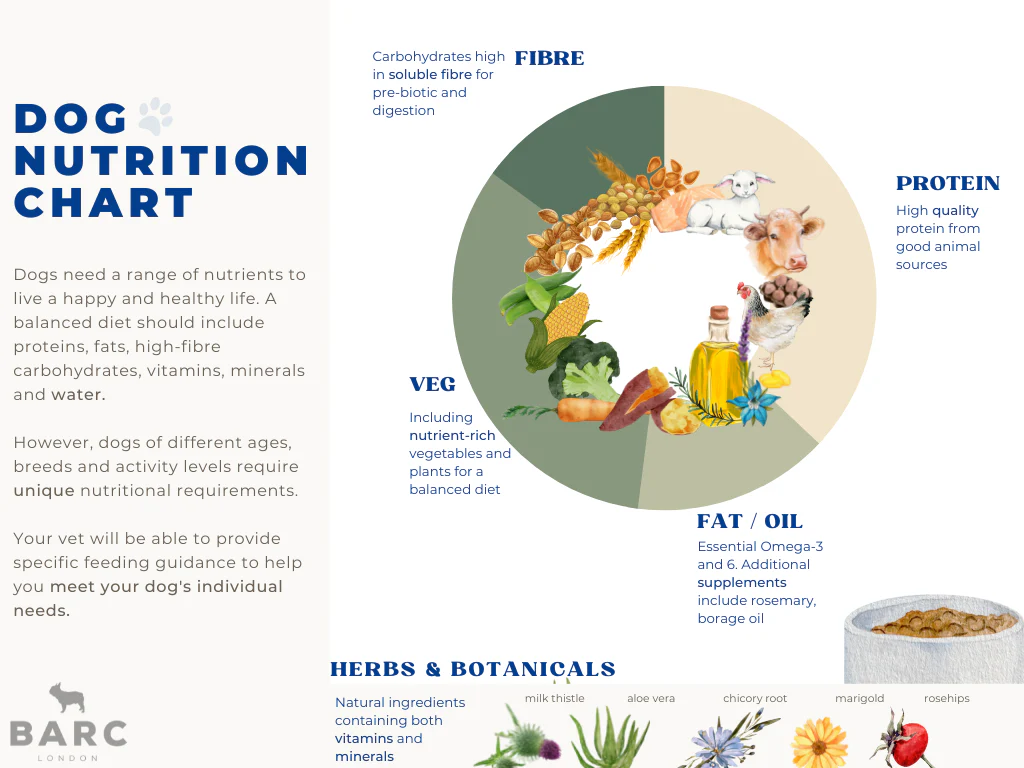
When it comes to choosing the right food for your dog, it’s not as simple as just grabbing something off the shelf. The canine has specific nutritional needs that must be met, and feeding them a homemade diet can be counterproductive if not done correctly.
Understanding Your Dog’s Needs
It’s essential to recognize that dogs have different dietary requirements than humans. Their digestive system is designed for meat consumption, and they require a balanced mix of proteins, fats, vitamins, and minerals in their diet. Feeding your dog a homemade diet without proper guidance can lead to nutrient deficiencies and health problems.
Crockettes or Canned Food? How Much to Feed Your Dog
Let’s tackle some common questions: what should you feed your dog, and how much should they eat? The answer is not one-size-fits-all. Every dog has its unique history, so it’s best to consult with a trusted veterinarian.
Key Ingredients to Avoid in Homemade Dog Food
When preparing homemade dog food, there are certain ingredients that must be avoided or used in moderation:
- Meat from pigs: Cooked or raw, this meat can pose health risks.
- Bones and shells: Ossa, lische, and other bones can cause digestive issues or even choking hazards.
- Toxic fruits: Uva, uvetta, cioccolato, and cipolla are all toxic to dogs.
Commerical Dog Food: A Safer Alternative
Commercial dog food comes in various forms (canned, dried, etc.) and can be a safer option. These products are:
- Hygienic: Properly manufactured to prevent contamination.
- Digestive-friendly: Formulated for easy digestion.
- Palatable: Appetizing for dogs of all ages and breeds.
However, it’s crucial to read the labels carefully and choose products that meet your dog’s nutritional needs.
Balancing Homemade Dog Food with Commercial Options
Feeding a homemade diet can be beneficial when combined with commercial dog food. The key is balance:
- Variety: Include a mix of ingredients to ensure a balanced diet.
- Supplements: Add micronutrients and other supplements as needed.
- Consultation: Work closely with your veterinarian to create a personalized meal plan.
Nutritional Requirements for Dogs
A well-balanced dog food should provide the following nutrients:
- Protein: 18-25% of total calories
- Fat: 10-15% of total calories
- Carbohydrates: 40-60% of total calories
- Fiber: 2-4% of total calories
- Moisture: 10-20% of total calories
- Vitamins and minerals: Essential for maintaining overall health
8 FAQs About Canine Nutrition
- What should I feed my dog?
- A balanced commercial dog food or a well-planned homemade diet.
- How much should my dog eat?
- The amount depends on the dog’s age, size, breed, and activity level.
- Can I give my dog table scraps?
- No, human food can be toxic or unhealthy for dogs in large quantities.
- What are some common health problems caused by poor canine nutrition?
- Digestive issues, skin problems, allergies, and obesity.
- How often should I feed my dog?
- Twice a day, divided into two meals for most adult dogs.
- Can I give my dog treats?
- Limit treats to no more than 10% of your dog’s daily calorie intake.
- What are some benefits of homemade dog food?
- Customization, reduced waste, and potential cost savings.
- How can I ensure my dog is getting all the nutrients they need?
By following these guidelines and consulting with a veterinarian, you can create a balanced diet that meets your furry friend’s unique needs and promotes optimal health.
Additional Considerations
- Age: Puppies require more protein and calories than adult dogs.
- Size: Small breeds require less food due to their smaller size.
- Breed: Certain breeds, such as Bulldogs, have specific dietary needs.
- Health conditions: Dogs with health issues, such as kidney disease, may require special diets.
In conclusion, choosing the right dog food requires careful consideration of your dog’s individual needs. A balanced diet that meets their nutritional requirements can promote optimal health and well-being. By consulting with a veterinarian and following these guidelines, you can create a customized meal plan that suits your furry friend’s unique needs.


