
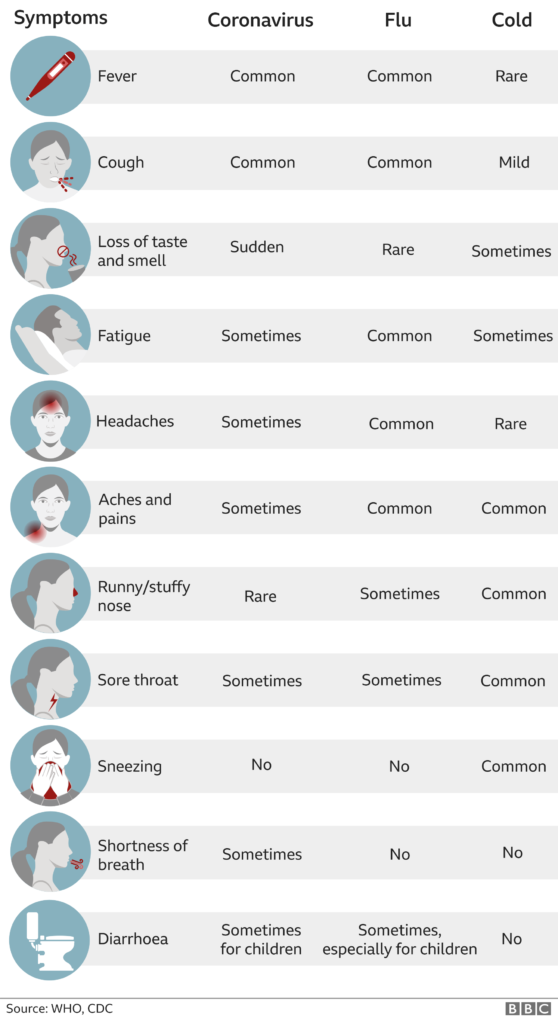
As we navigate the current health crisis, one of the most frequently asked questions is about the symptoms of COVID-19 and how they differ from those of the flu. In this article, we’ll delve into the world of coronaviruses, exploring what COVID-19 is, its symptoms, mortality rate, and why it’s so contagious.
What is a Coronavirus?
Before diving into the specifics of COVID-19, let’s first understand that “coronavirus” isn’t a disease itself. It’s actually a large family of viruses that can cause various illnesses ranging from common colds to more severe diseases like MERS (Middle East Respiratory Syndrome) and SARS (Severe Acute Respiratory Syndrome).
MERS: A Related but Distinct Disease
MERS-CoV, the virus responsible for Middle East Respiratory Syndrome, was first identified in 2012 in Jordan and Saudi Arabia. Since then, there have been over 2,200 confirmed cases and 790 deaths worldwide.
MERS symptoms typically appear within 5 days of infection (although they can range from 2 to 14 days) and include fever, muscle aches, dry cough, and chills. The virus is mainly found in the Middle East, but there have been reported cases in Europe and other parts of the world.
SARS: Another Related Disease
SARS-CoV, the virus responsible for Severe Acute Respiratory Syndrome, was first identified in 2002 in China. It spread globally in 2003, infecting thousands of people.
SARS symptoms are similar to those of MERS and include fever, headache, fatigue, dry cough, and shortness of breath. The mortality rate for SARS is around 10%.
COVID-19: A New Player in the Game
COVID-19, also known as SARS-CoV2, was first identified at the end of 2019 in China’s Wuhan city. Since then, there have been over 28,000 confirmed cases worldwide, with a rapid increase in new infections.
The Symptoms of COVID-19: What to Expect
COVID-19 symptoms are similar to those of other coronaviruses, including:
- Fever
- Dry cough
- Shortness of breath or difficulty breathing
- Fatigue or weakness
- Headache
- Sore throat
- Runny nose or stuffy nose
- Body aches or muscle pains
In about 2/3 of cases, people with COVID-19 also experience a loss of taste and smell.
Why is COVID-19 So Contagious?
The virus has an R0 (basic reproduction number) of 2.8, which means that one infected person can spread the virus to approximately 2.8 others on average. This is significantly higher than the flu’s R0 of around 1.3.
Mortality Rate: A More Balanced Perspective
While COVID-19 has a relatively low mortality rate compared to MERS and SARS, it’s essential to note that the actual number could be much higher due to asymptomatic cases.
The World Health Organization (WHO) estimates that the global mortality rate for COVID-19 is around 0.5%, although this number may vary depending on factors like age, underlying health conditions, and the severity of symptoms.
Why Should We Take COVID-19 Seriously?
The key reason we need to take COVID-19 seriously is not its mortality rate but rather how contagious it is. The virus can spread rapidly, especially in crowded areas or when people are in close proximity to each other.
In addition, severe cases of COVID-19 often require hospitalization and intensive care, which can be challenging for healthcare systems to handle.
Reducing the Risk: What Can We Do?
To reduce the risk of getting infected with COVID-19:
- Wear a mask when leaving home
- Maintain social distancing (at least 6 feet or 1.8 meters)
- Wash your hands frequently
- Avoid touching your face, especially your eyes, nose, and mouth
- Cover your mouth and nose when coughing or sneezing
- Clean surfaces with disinfectants
Long-Term Effects: What We Know So Far
As COVID-19 continues to spread globally, there’s growing concern about long-term effects of the virus on individuals and communities.
Some research suggests that severe cases of COVID-19 may lead to:
- Lung damage or scarring
- Chronic fatigue syndrome
- Cardiovascular problems
- Cognitive impairment
However, more studies are needed to fully understand the long-term consequences of COVID-19.
Vaccination: A Key Tool in Combatting COVID-19
As the pandemic continues to evolve, vaccination has emerged as a crucial tool in combating COVID-19. Multiple vaccines have been developed and approved for emergency use, with several more in various stages of development.
Vaccines can help prevent severe illness, hospitalization, and death from COVID-19. They also play a vital role in slowing the spread of the virus by reducing transmission among vulnerable populations.
Conclusion
In conclusion, COVID-19 is a serious disease that requires attention and caution. By understanding its symptoms, mortality rate, and contagiousness, we can take steps to reduce our risk of infection.
Stay informed, follow the guidelines, and prioritize your health – together, we can combat this pandemic.
Frequently Asked Questions
-
What are the differences between COVID-19 and flu?
COVID-19 symptoms are similar to those of other coronaviruses, including fever, dry cough, shortness of breath, fatigue, headache, sore throat, and runny nose or stuffy nose. -
How contagious is COVID-19?
The virus has an R0 (basic reproduction number) of 2.8, meaning one infected person can spread it to approximately 2.8 others on average. -
What is the mortality rate of COVID-19?
While lower than MERS and SARS, the actual number could be much higher due to asymptomatic cases. The WHO estimates that the global mortality rate for COVID-19 is around 0.5%. -
How can I reduce my risk of getting infected with COVID-19?
Follow guidelines such as wearing a mask, maintaining social distancing, washing your hands frequently, avoiding touching your face, covering your mouth and nose when coughing or sneezing, and cleaning surfaces with disinfectants. -
Can COVID-19 be treated at home?
While some mild symptoms can be managed at home, severe cases require hospitalization and intensive care. -
How long does the incubation period of COVID-19 last?
The average incubation period is 2-14 days, although it can range from 2 to 28 days. -
Can I still go out if I have a fever or cough?
Yes, but take precautions such as wearing a mask, washing your hands frequently, and maintaining social distancing. -
What are the best ways to protect myself from COVID-19?
Wear a mask when leaving home, maintain social distancing (at least 6 feet or 1.8 meters), wash your hands frequently, avoid touching your face, cover your mouth and nose when coughing or sneezing, clean surfaces with disinfectants, and follow local guidelines.
Remember to stay informed, prioritize your health, and take necessary precautions to reduce the risk of infection.


