
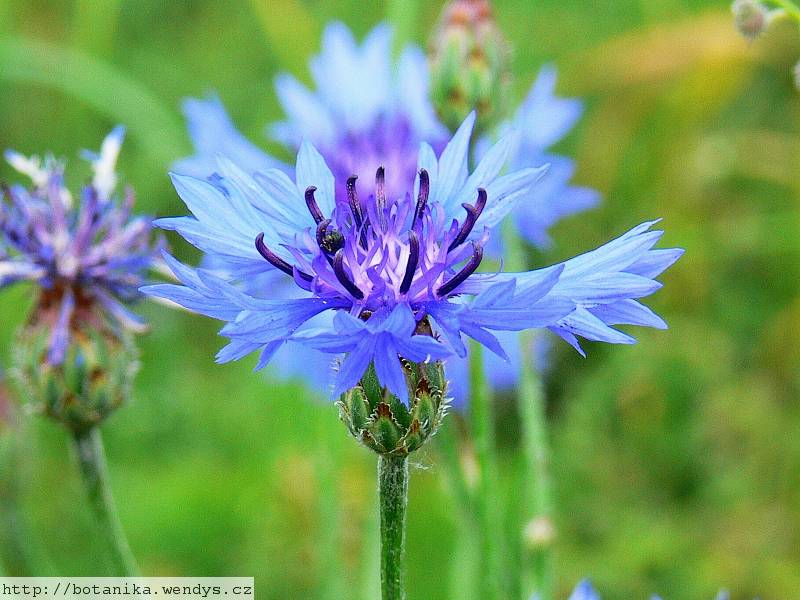
As we wander through the Mediterranean region, we often find ourselves drawn to the beautiful and fragrant Fiordaliso, also known as Cyanus segetum Hill. This flower has been a source of inspiration for poets and musicians alike, but what makes it truly special is its numerous healing properties.
The Meaning Behind Its Name
Let’s start by exploring the name “Fiordaliso” and its origins. The scientific name, Cyanus segetum Hill, is derived from the Greek word “cyanos,” meaning “blue.” This refers to the flower’s vibrant blue color. On the other hand, the common name “Fiordaliso” comes from the French phrase “fleur de lys,” which was a symbol of royalty among the Bourbons. This suggests that the Fiordaliso has a regal past.
A Royal Legacy
While we may not have direct connections to European monarchies today, the Fiordaliso’s name is a testament to its historical significance. In the Middle Ages, the flower was used by royalty and nobility as a symbol of power and prestige. This rich history has been preserved through various names and associations, including “Ambretta,” “garofano da campo,” “sciuri da nasi,” and “strassasac.”
Where to Find It
The Fiordaliso can be found in the Mediterranean region, particularly in areas with loose soil or rocky terrain. It thrives in open fields, meadows, and even areas with minimal vegetation. In fact, ideal locations for growing Fiordaliso include fields of grain, where there are no chemical herbicides used.
The Plant
Beyond its regal name and rich history, the Fiordaliso is a remarkable plant with an interesting structure. The stem is slender, reaching up to 50 cm in height, while the leaves are delicate and almost fragile. However, it’s the flowers that truly make this plant stand out – they’re vibrant blue and composed of many tiny parts.
A Flower Like No Other
The Fiordaliso is often associated with beauty, but its true value lies in its healing properties. The flowers contain flavonoids, anthocyanins, and pectins, which are responsible for their numerous benefits. These compounds can be used to treat various ailments, including eye problems, digestive issues, and even respiratory issues.
Medicinal Uses
The Fiordaliso has been used in traditional medicine for centuries, particularly in the treatment of eye problems. The flowers can be used as a natural astringent for conjunctivitis or as a diuretic to alleviate sinus congestion. Additionally, the plant’s properties make it an effective remedy for colds and coughs.
Using Fiordaliso
There are various ways to use the Fiordaliso, both internally and externally. For example, infusions made with the flowers can be consumed as a tea or used as a face mask to soothe irritated skin. The plant’s properties also make it an effective ingredient in cooking and cosmetics.
Cultivating Fiordaliso
Growing your own Fiordaliso is not only possible but also rewarding. Sowing seeds in late March or early April can lead to a bountiful harvest of blue flowers, which can be enjoyed throughout the summer months. There are various species of Fiordaliso available for cultivation, ranging from compact varieties ideal for decorative purposes to taller specimens perfect for cutting and arrangement.
Where to Buy Seeds
If you’re interested in growing your own Fiordaliso, you can purchase seeds online or through local nurseries. One option is to buy 250 seeds of Fiordaliso on Amazon for a reasonable price of €2.89.
Propagation Methods
There are several ways to propagate Fiordaliso, including:
- Seed Sowing: As mentioned earlier, sowing seeds in late March or early April can lead to a bountiful harvest.
- Division: Divide established plants into smaller sections, making sure each section has at least one node (the point where the leaf meets the stem).
- Cuttings: Take cuttings from mature stems and plant them in a pot filled with well-draining soil.
Pest Control
To keep pests away from your Fiordaliso plants, use natural methods such as:
- Neem Oil: Neem oil is a natural pesticide that can be used to repel pests like aphids and whiteflies.
- Diatomaceous Earth: This powder is made from the fossilized remains of tiny aquatic organisms and can be used to dehydrate and kill pests like slugs and snails.
Common Pests
Some common pests that can affect Fiordaliso plants include:
- Aphids: These small, soft-bodied insects feed on plant sap, causing damage to the leaves and stems.
- Whiteflies: These tiny, winged insects feed on plant sap, causing damage to the leaves and stems.
- Slugs and Snails: These pests can cause significant damage to the leaves and stems of Fiordaliso plants.
Common Diseases
Some common diseases that can affect Fiordaliso plants include:
- Powdery Mildew: This fungal disease causes a white, powdery coating on the leaves and stems.
- Downy Mildew: This fungal disease causes yellowing leaves and stunted growth.
Care Tips
To keep your Fiordaliso plants healthy and thriving, follow these care tips:
- Watering: Water your plants regularly, but avoid overwatering, which can lead to root rot.
- Sunlight: Provide full sun for your Fiordaliso plants, as they require direct sunlight to bloom.
- Soil: Use well-draining soil that is rich in organic matter.
- Fertilization: Fertilize your plants regularly with a balanced fertilizer.
Harvesting
To harvest the flowers of your Fiordaliso plant, follow these steps:
- Wait for Blooming: Wait until the flowers have fully bloomed before harvesting them.
- Cut the Flowers: Cut the stems from the base of the plant using scissors or pruning shears.
- Dry the Flowers: Dry the flowers to preserve them for later use.
Preserving
To preserve the flowers of your Fiordaliso plant, follow these steps:
- Air Drying: Air dry the flowers by tying them in small bunches and hanging them upside down.
- Dehydrator: Use a dehydrator to dry the flowers completely.
- Glass Jar: Store the dried flowers in a glass jar or container.
Conclusion
In conclusion, the Fiordaliso is a remarkable plant with a rich history and numerous healing properties. From its regal name to its delicate flowers and medicinal uses, this flower has captured the hearts and minds of many. Whether you’re interested in cultivating it yourself or simply appreciating its beauty, the Fiordaliso is definitely worth exploring further.
FAQs
- What are the medicinal properties of Fiordaliso?
Fiordaliso contains flavonoids, anthocyanins, and pectins, which have anti-inflammatory and astringent properties, making it effective in treating various ailments, including eye problems, digestive issues, and respiratory issues.
- How do I use Fiordaliso as a natural remedy?
Fiordaliso can be consumed as an infusion or used as a face mask to soothe irritated skin. The flowers can also be used to treat conjunctivitis, sinus congestion, and colds and coughs.
- Can I grow my own Fiordaliso?
Yes, it is possible to cultivate Fiordaliso by sowing seeds in late March or early April. Various species of the plant are available for cultivation, ranging from compact varieties ideal for decorative purposes to taller specimens perfect for cutting and arrangement.
- Where can I buy Fiordaliso seeds?
You can purchase Fiordaliso seeds online or through local nurseries.
- What is the best way to propagate Fiordaliso?
There are several ways to propagate Fiordaliso, including seed sowing, division, and cuttings.


