
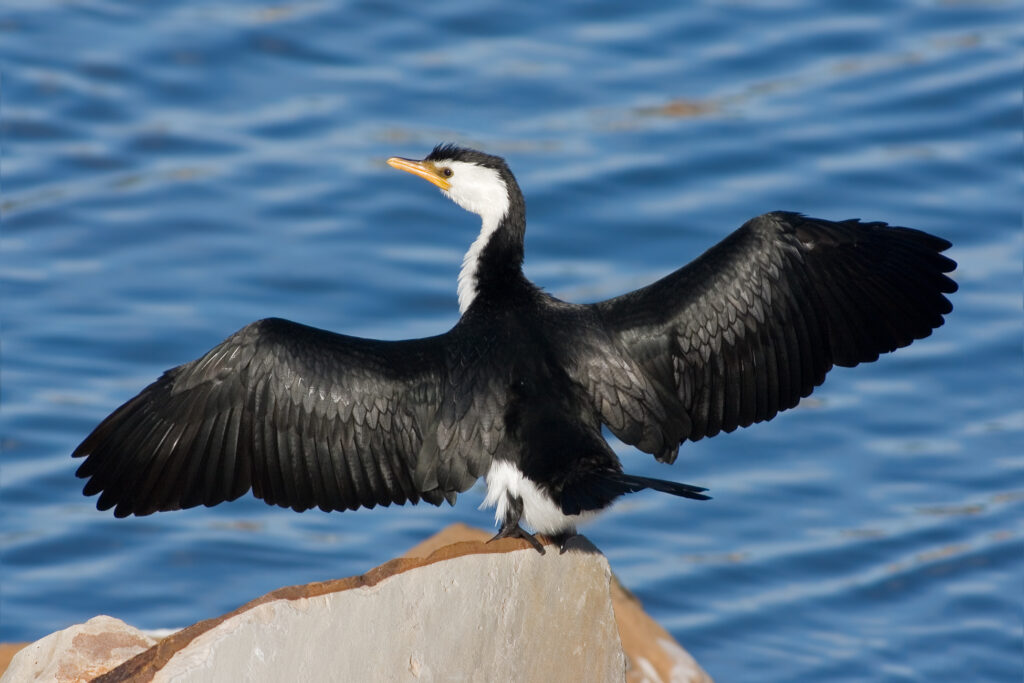
What is a Cormorant?
A cormorant is a type of bird that can be found in various parts of the world, known for its distinctive appearance and unique behavior. These birds are often referred to as “sea ducks” due to their ability to dive and swim in the water.
Habitat and Distribution
Cormorants can be found in freshwater and saltwater habitats, including lakes, rivers, estuaries, and coastal areas. They are known to inhabit areas with slow-moving or stagnant water, where they can feed on fish and other aquatic animals. Some species of cormorants, such as the White-breasted Cormorant, are migratory and can be found in different parts of the world during different times of the year.
Size and Weight
Cormorants come in a range of sizes, from the small Little Cormorant to the large Great Cormorant. On average, cormorants typically measure between 70-102 cm (28-40 inches) in length, with an wingspan of around 120-160 cm (47-63 inches). They can weigh anywhere from 1.5 kg to 5.3 kg (3.3 lbs to 11.7 lbs), depending on the species.
Diet and Feeding Behavior
Cormorants are carnivores and feed on a variety of aquatic animals, including fish, crustaceans, and mollusks. They use their powerful bills to catch their prey underwater, and then bring it back up to the surface to swallow. Some species of cormorants, such as the Double-crested Cormorant, are known to dive to great depths in search of food.
Behavior and Social Structure
Cormorants are social birds that often live in groups, called colonies. They are known for their distinctive mating rituals, which involve elaborate displays of plumage and vocalizations. During breeding season, male cormorants will often engage in “sky-pointing,” where they stand upright on the water’s surface with their wings raised, to attract females.
Types of Cormorants
There are several species of cormorants found around the world, each with its unique characteristics and behaviors. Some common species include:
- White-breasted Cormorant: A medium-sized cormorant with a white breast and black back.
- Double-crested Cormorant: A large cormorant with two distinctive crests on its head.
- Great Cormorant: A large cormorant with a wingspan of up to 2 meters (6.6 feet).
- Little Cormorant: A small cormorant found in tropical and subtropical regions.
Reproduction and Nesting
Cormorants breed during the spring and summer months, with males engaging in elaborate courtship displays to attract females. Females will then build a nest using sticks, grasses, and other vegetation, which they will line with soft materials like feathers and mud. The female will lay 2-4 eggs, which she will incubate for around 30 days.
Conservation Status
Some species of cormorants are considered vulnerable or endangered due to habitat loss, pollution, and climate change. It is essential to protect their habitats and reduce human impact on these ecosystems.
Frequently Asked Questions
- Q: What do cormorants eat?
A: Cormorants feed on a variety of aquatic animals, including fish, crustaceans, and mollusks. - Q: Where can I find cormorants?
A: Cormorants can be found in freshwater and saltwater habitats around the world, including lakes, rivers, estuaries, and coastal areas. - Q: How big are cormorants?
A: Cormorants come in a range of sizes, from the small Little Cormorant to the large Great Cormorant, measuring between 70-102 cm (28-40 inches) in length and weighing anywhere from 1.5 kg to 5.3 kg (3.3 lbs to 11.7 lbs). - Q: Are cormorants social birds?
A: Yes, cormorants are social birds that often live in groups, called colonies. - Q: How do cormorants reproduce?
A: Cormorants breed during the spring and summer months, with males engaging in elaborate courtship displays to attract females. Females will then build a nest using sticks, grasses, and other vegetation.
Interesting Facts About Cormorants
- Cormorants have a unique way of swimming: They use their powerful tails to propel themselves through the water.
- Cormorants are excellent divers: Some species can dive to depths of up to 100 feet (30 meters) in search of food.
- Cormorants have a specialized bill: Their bills are flat and broad, allowing them to catch fish with ease.
Conservation Efforts
There are several organizations and initiatives working to protect cormorant habitats and reduce human impact on their ecosystems. Some of these efforts include:
- Habitat preservation: Organizations are working to preserve and restore cormorant habitats, including wetlands and coastal areas.
- Pollution reduction: Efforts are being made to reduce pollution in cormorant habitats, including the use of non-toxic cleaning products and waste management practices.
- Climate change mitigation: Organizations are working to mitigate the effects of climate change on cormorant habitats, including the use of renewable energy sources and carbon offsetting.
Conclusion
Cormorants are fascinating birds with unique characteristics and behaviors. They play an important role in their ecosystems, serving as both predators and prey for other animals. By learning more about these birds and working to protect their habitats, we can help ensure the long-term survival of cormorant populations.


