
The Coriandolo: A Plant of Contrasts
Introduction
When it comes to the Coriandolo, a plant that has been prized for its culinary and medicinal properties for centuries, opinions tend to be strongly divided. Some people love it, while others can’t stand it. But what is behind this polarized response? In this article, we’ll delve into the history, properties, and uses of the Coriandolo, and explore why this plant has captured the hearts of so many.
The Origins of the Coriandolo
The Coriandolo, also known as Coriandrum sativum or Cilantro, is a member of the Umbelliferae family, which includes other popular herbs like parsley and dill. Its name is derived from the Greek word “korys,” meaning “bug,” likely referring to the plant’s strong, pungent aroma when its fruit is ripe.
Properties of the Coriandolo
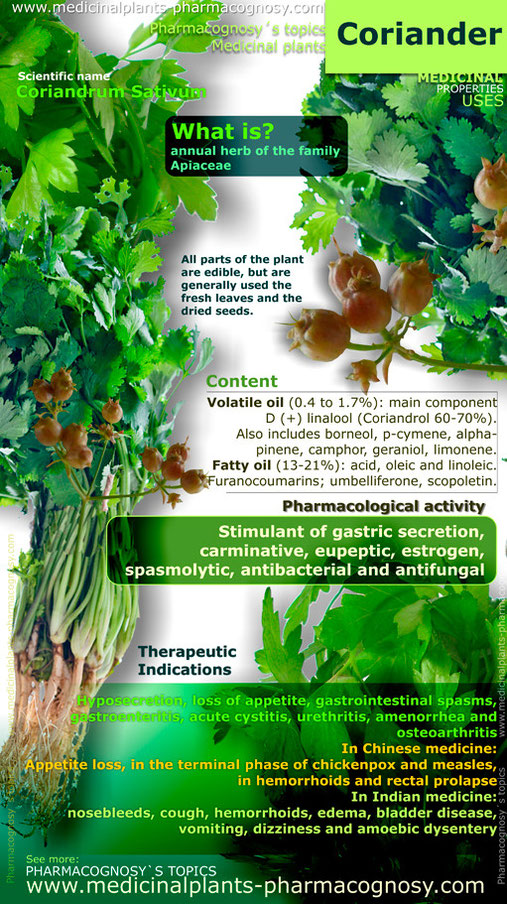
The Coriandolo has a number of unique properties that make it a valuable addition to any medicine cabinet or kitchen. Its leaves and seeds contain compounds that have been shown to have antispasmodic and stomach-soothing effects, making it a natural remedy for digestive issues like colic and bloating.
In addition to its culinary uses, the Coriandolo has also been traditionally used to treat headaches, fevers, and other ailments. Its essential oils have been shown to have antibacterial and antifungal properties, making it a popular ingredient in natural remedies.
History of the Coriandolo
The Coriandolo has been used for centuries in traditional medicine, dating back to ancient civilizations in Egypt, Greece, and Rome. The Greek physician Hippocrates is said to have used the plant to treat a range of ailments, including indigestion and respiratory problems.
In Asia, the Coriandolo has been prized for its culinary and medicinal properties for thousands of years. In India, it’s known as “dhania,” and is an essential ingredient in many curries and chutneys. In China, it’s used to make a variety of teas and infusions, said to have health benefits like reducing inflammation and improving digestion.
Cultivating the Coriandolo
Growing your own Coriandolo is relatively easy, but it does require some care. The plant prefers well-drained soil and full sun, making it ideal for gardens in warm climates.
To get started, simply sow the seeds directly into the ground in early spring or late summer/early fall, depending on your climate. Water regularly, and provide support for the plant as it grows.
Using Coriandolo in Cooking
While the Coriandolo is commonly used in Indian and Latin American cuisine, its uses extend far beyond these regions. The leaves and seeds can be used to add flavor to a variety of dishes, from salads and soups to stir-fries and curries.
Some popular ways to use Coriandolo include:
- Making a fresh salad with the leaves and dressing it with olive oil and lemon juice
- Adding the seeds to soups and stews for an extra boost of flavor
- Using the leaves as a garnish for dishes like tacos and grilled meats
- Infusing the seeds into vinegar or oil to make a flavorful condiment
Benefits of Coriandolo
The Coriandolo has been shown to have a number of health benefits, making it a popular ingredient in natural remedies. Some of the most notable benefits include:
- Reducing inflammation: The Coriandolo contains compounds that have anti-inflammatory properties, making it a potential treatment for conditions like arthritis and other inflammatory diseases.
- Improving digestion: The Coriandolo has been traditionally used to treat digestive issues like colic and bloating. Its antispasmodic effects can help relax the muscles in the digestive tract, reducing discomfort and improving overall gut health.
- Boosting immune system: The Coriandolo contains compounds that have antimicrobial properties, making it a potential treatment for infections and other illnesses.
Potential Side Effects of Coriandolo
While generally safe, excessive consumption of Coriandolo may cause nausea, vomiting, or diarrhea in some individuals. It’s also important to note that the seeds can be toxic if ingested in large quantities.
Other potential side effects of Coriandolo include:
- Allergic reactions: Some people may experience allergic reactions to the plant, including skin irritation and respiratory problems.
- Interaction with medications: The Coriandolo can interact with certain medications, such as blood thinners and diabetes medications.
Precautions for Using Coriandolo
When using Coriandolo, it’s essential to follow some precautions to ensure safe use. These include:
- Allergic reactions: If you experience any symptoms of an allergic reaction after consuming Coriandolo, seek medical attention immediately.
- Overconsumption: Don’t exceed the recommended daily dose of Coriandolo, as excessive consumption may cause adverse effects.
- Pregnancy and breastfeeding: While generally safe, there is limited research on the use of Coriandolo during pregnancy and breastfeeding. Consult with a healthcare professional before using it.
Conclusion
The Coriandolo is a plant of contrasts, with properties both beneficial and problematic. Its unique flavor and aroma have made it a popular ingredient in many cuisines around the world. However, its strong scent and potential allergenic effects mean that some people may not enjoy it.
In this article, we’ve explored the history, properties, and uses of the Coriandolo, highlighting its culinary and medicinal benefits as well as its potential risks. Whether you’re a seasoned chef or simply looking for new ways to add flavor to your dishes, the Coriandolo is definitely worth considering.
Additional Resources
- Piante medicinali: proprietà e benefici
- Agronomia
- Zenzero: proprietà
- Amamelide: pianta e sue caratteristiche
Common Uses of Coriandolo
The Coriandolo has been used in a variety of ways throughout history, including:
- Culinary use: The leaves and seeds can be used to add flavor to soups, stews, salads, and other dishes.
- Medicinal use: The plant has been traditionally used to treat a range of ailments, from digestive issues to respiratory problems.
- Cosmetic use: Coriandolo essential oils have been used in skincare products to reduce inflammation and improve skin health.
Interesting Facts About Coriandolo
Here are some interesting facts about the Coriandolo:
- The Coriandolo is also known as “cilantro” in many parts of the world.
- The plant’s seeds contain a compound called coriander, which has been shown to have antimicrobial properties.
- In India, the Coriandolo is considered a sacred herb and is used in traditional Ayurvedic medicine.
By understanding more about the Coriandolo, its uses, and its potential benefits and risks, you can make informed decisions about incorporating this plant into your life. Whether you’re looking to improve your digestive health or simply add some flavor to your cooking, the Coriandolo is definitely worth exploring.


