
Are you curious about how to grow coriander and harvest it? Look no further! In this comprehensive guide, we’ll take you through the process of cultivating and reaping the benefits of this versatile herb.
Understanding Cilantro vs. Coriander
Before we dive into the nitty-gritty of growing coriander, let’s clarify a common misconception: cilantro and coriander are not interchangeable terms. While they’re often used synonymously, they refer to different parts of the same plant.
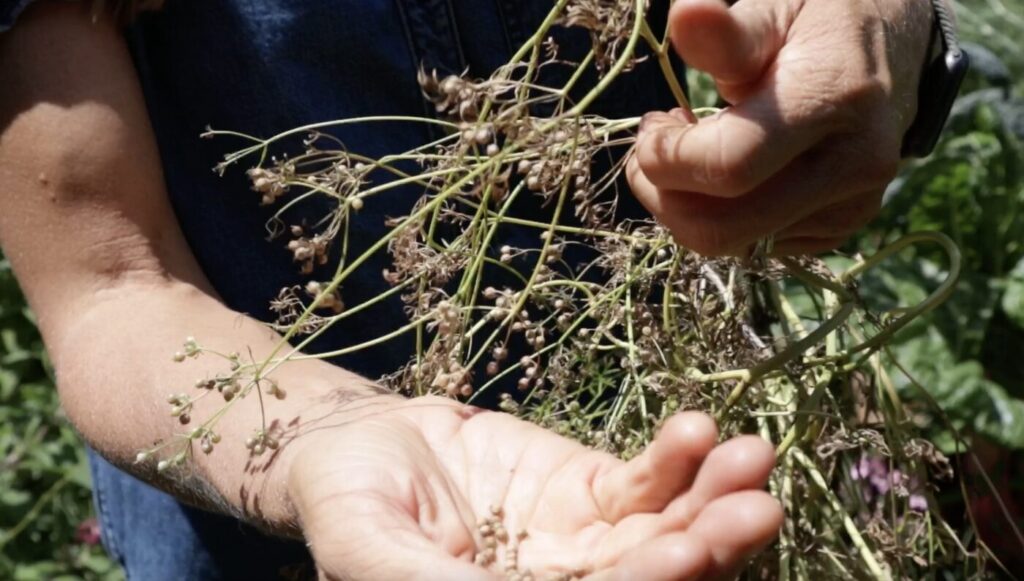
Cilantro refers to the leaves of the plant, which are commonly used as an herb. Coriander, on the other hand, refers to the seeds, which are typically ground into a spice and used in various recipes.
Planting Coriander
When it comes to planting coriander, timing is everything. The ideal time to sow coriander is in early spring or late summer/early fall, when the weather is mild and temperatures are between 60°F (15°C) and 75°F (24°C). Choose a spot that receives plenty of sunlight, as coriander requires at least 6 hours of direct sunlight per day.
To get started, prepare the soil by loosening it to a depth of about 12 inches (30 cm). Coriander prefers well-draining soil with a pH between 6.0 and 7.0. Sow the seeds about 1/8 inch (3 mm) deep and 1-2 inches (2.5-5 cm) apart. Water the soil gently but thoroughly.
Caring for Coriander
Once your coriander seedlings have germinated, it’s time to provide them with the TLC they need to thrive. Keep the soil consistently moist, but not waterlogged. Aim to water the plants when the top inch (2.5 cm) of soil feels dry to the touch.
To promote healthy growth, fertilize your coriander plants regularly with a balanced fertilizer. You can also add compost or manure to enrich the soil and provide essential nutrients.
Pest and Disease Management
As with any plant, coriander is susceptible to pests and diseases. Keep an eye out for signs of infestation or infection, such as yellowing leaves, black spots, or white powdery patches.
To prevent these issues, use physical barriers like fine-mesh screens or fine-netted bags to keep pests away from your plants. Regularly inspect the soil for any signs of disease and treat promptly if necessary.
Harvesting Coriander
There are two main ways to harvest coriander: by cutting individual leaves or by removing the entire plant.
For fresh coriander, cut the larger leaves just above the stem node using scissors or pinch them off with your fingers. This will encourage new growth and prevent flowering.
To preserve coriander for later use, dry the seeds or leaves thoroughly before storing them in airtight containers. You can also freeze or refrigerate the leaves to maintain their freshness.
The Savoring of Coriander
Coriander has a distinct flavor that some people find off-putting due to its similarity to soap. However, research suggests that this perception may be influenced by genetics rather than the herb itself.
Coriander contains a compound called aldehyde, which is responsible for its pungent aroma and taste. This same compound is also found in certain soaps, contributing to their distinctive scent.
Benefits of Coriander
Coriander has been used for centuries in various cultures for its medicinal, culinary, and spiritual properties. Some of the benefits of coriander include:
- Digestive aid: Coriander seeds have been shown to aid digestion and relieve symptoms of irritable bowel syndrome (IBS).
- Antioxidant properties: Coriander contains antioxidants that can help protect against cell damage and reduce inflammation.
- Anti-inflammatory effects: Coriander has anti-inflammatory compounds that may help alleviate symptoms of arthritis and other inflammatory conditions.
Growing Coriander in Different Environments
Coriander is a versatile herb that can be grown in various environments, including:
- Tropical regions: Coriander thrives in tropical climates with high temperatures and humidity.
- Mediterranean regions: Coriander grows well in Mediterranean climates with mild winters and hot summers.
- Temperate regions: Coriander can be grown in temperate regions with moderate temperatures and rainfall.
Tips for Growing Coriander
Here are some additional tips to keep in mind when growing coriander:
- Use a variety of seeds: Choose a variety of coriander seeds that suit your climate and growing conditions.
- Provide adequate sunlight: Coriander requires at least 6 hours of direct sunlight per day.
- Keep the soil moist: Water the plants regularly, but avoid overwatering.
- Fertilize regularly: Fertilize the plants with a balanced fertilizer to promote healthy growth.
Conclusion
Growing coriander can be a rewarding experience, especially when you understand its unique needs and benefits. With proper care and attention, your coriander plants will thrive and provide you with fresh leaves and seeds for years to come.
By following this comprehensive guide, you’ll be well on your way to becoming a skilled coriander grower and harnessing the full potential of this versatile herb.


