
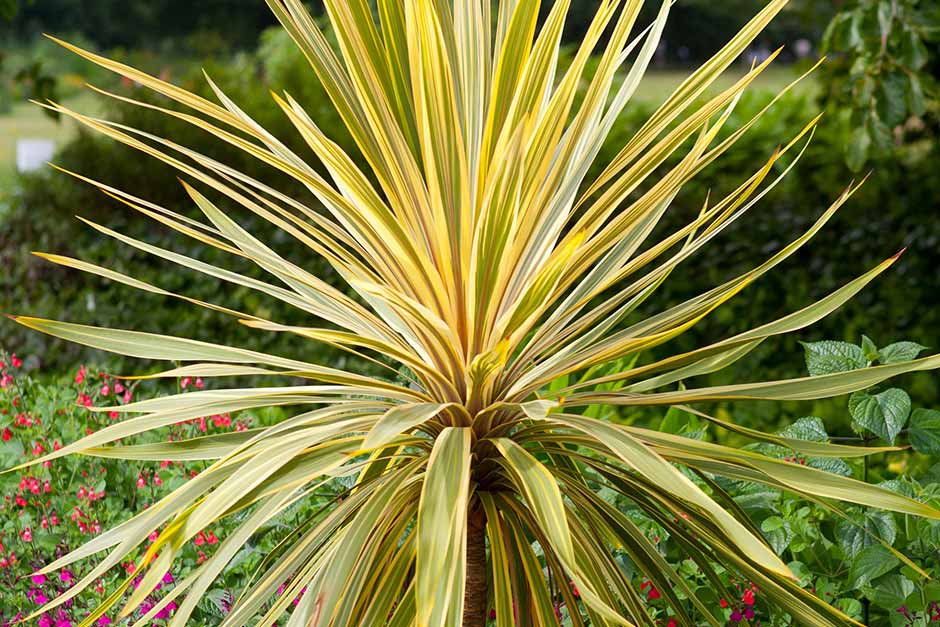
As we explore the fascinating world of plants, one species that stands out for its unique characteristics and versatility is the cordyline. Native to Asia, Australia, and South America, this evergreen shrub or small tree has captivated gardeners and enthusiasts alike with its stunning beauty and potential uses. In this article, we will delve into the world of cordyline, exploring its key features, cultivation secrets, and interesting facts that make it a standout among other plants.
Understanding Cordyline
Cordyline is part of the Laxmanniaceae family, comprising around 20 species of shrubs and small trees. These plants thrive in temperate climates, preferring temperatures above 15°C (59°F) for optimal growth. Native to tropical regions, cordyline has adapted to survive and flourish in various environments.
Cordyline’s botanical name, Cordyline, is derived from the Greek word “koryndion,” meaning ‘club’ or ‘cudgel.’ This refers to the plant’s club-shaped stems and leaves, which are often held upright by a sturdy base. The genus name Laxmannia honors Peter Magnus von Laxman, a Swedish botanist who first described the species in 1765.
History of Cordyline
Cordyline has been used for various purposes throughout history. In pre-European New Zealand, Maori people used cordyline leaves as a food source after cooking. The plant’s sap was also used to treat various ailments by early European colonizers. Additionally, cordyline leaves were woven into baskets, mats, and clothing, highlighting the plant’s versatility.
In some Polynesian cultures, the cordyline is seen as a symbol of good luck (or “Ti”), associated with the gods. This symbolism has been passed down through generations, emphasizing the plant’s importance in traditional practices and rituals.
Key Characteristics of Cordyline
Cordyline’s unique features make it a standout among other plants:
- Foliage: Cordyline’s leaves are flat, green, and feature a central vein with striking coloration. The Red Star variety boasts beautiful, pinkish-red foliage, while the Sun Dance variety displays bright, lime-green leaves.
- Flowers: Delicate, creamy-white flowers bloom on slender stems, often forming clusters of 50-100 flowers.
- Fruit: Small, round fruits develop from the flowers and contain seeds.
The size and shape of cordyline leaves vary depending on the species. Some varieties have linear or lance-shaped leaves, while others exhibit ovate or rounded shapes. The plant’s growth habit also varies, with some species growing as shrubs and others as small trees.
Cultivating Cordyline: Tips and Tricks
To bring cordyline into your garden or indoor space, follow these practical tips:
- Lighting: Provide bright, indirect light for optimal growth. Direct sunlight can cause scorched leaves.
- Soil: Use a well-draining potting mix with a balanced pH (5.5-6.5) to ensure healthy root development.
- Watering: Water sparingly, allowing the top inch of soil to dry between waterings. During winter, reduce watering to prevent root rot.
- Fertilization: Feed your cordyline with a balanced fertilizer (20-20-20) once a month during the growing season.
- Pruning: Prune your cordyline regularly to maintain shape and encourage new growth.
When propagating cordyline, it is essential to use fresh, healthy roots. You can propagate cordyline through division or stem cuttings. Divide the plant in spring, when growth is active, to create new plants. For stem cuttings, wait until the weather warms up and the threat of frost has passed.
Parasites and Diseases
Common issues affecting cordyline include:
- Cocciniglia: A brown, circular spot on leaves may indicate cocciniglia infestation. Treat with a mixture of water and soap or a fungicide.
- Phytophthora: Irregularly shaped lesions surrounded by yellowish ooze suggest Phytophthora disease. Apply fungicides promptly.
Regular monitoring and prompt action can help prevent the spread of pests and diseases in cordyline plants. Keep an eye out for signs of infestation, such as small white eggs or actual insects on the leaves.
Interesting Facts About Cordyline
- Traditional Medicine: The plant’s sap was used to treat various ailments by early European colonizers.
- Maori Cuisine: In pre-European New Zealand, Maori people used cordyline leaves as a food source after cooking.
- Weaving and Textiles: Cordyline leaves were woven into baskets, mats, and clothing.
- Symbolism: In Polynesian cultures, the cordyline is seen as a symbol of good luck (or “Ti”), associated with the gods.
Cordyline Varieties
Several varieties of cordyline are available for cultivation, each offering unique characteristics:
- Red Star: This popular variety boasts stunning pinkish-red foliage and can grow up to 4 feet tall.
- Sun Dance: Displaying bright, lime-green leaves, this variety grows up to 3 feet tall.
- Snowtop: Featuring white, powdery leaves, Snowtop cordyline is a striking addition to any garden.
- Black Magic: Black Magic cordyline boasts deep purple-red leaves and can grow up to 5 feet tall.
Cordyline in Different Regions
Cordyline thrives in various regions, including:
- Tropical Climates: Cordyline is native to tropical regions, where it grows as an understory plant.
- Subtropical Regions: In subtropical climates, cordyline often grows as a shrub or small tree.
- Temperate Climates: Temperate regions provide the ideal environment for growing cordyline outdoors.
Conclusion
Cordyline is an extraordinary plant that offers many benefits for gardeners, horticulturists, and those interested in traditional medicine and cultural practices. By understanding its characteristics, cultivation secrets, and fascinating history, you can appreciate this remarkable species even more. With proper care and attention, cordyline can thrive as a stunning addition to any garden or indoor space.
Cordyline’s Potential Uses
- Ornamental Plant: Cordyline’s striking foliage makes it an attractive addition to gardens, parks, and public spaces.
- Traditional Medicine: The plant’s sap has been used for centuries to treat various ailments, including skin conditions and digestive issues.
- Food Source: In some cultures, cordyline leaves are edible after cooking, providing a nutritious food source.
Challenges and Limitations
While cordyline offers many benefits, there are also challenges and limitations associated with its cultivation:
- Pests and Diseases: Cordyline is susceptible to various pests and diseases, including cocciniglia and Phytophthora.
- Light Requirements: Cordyline requires bright, indirect light for optimal growth, limiting its use in low-light environments.
- Propagation: Propagating cordyline can be challenging, requiring careful attention to root development.
By understanding these challenges and limitations, you can better appreciate the potential and rewards of growing cordyline.
Conclusion
Cordyline is a versatile and fascinating plant that offers many benefits for gardeners, horticulturists, and those interested in traditional medicine and cultural practices. By exploring its unique characteristics, cultivation secrets, and interesting facts, you can unlock the full potential of this remarkable species. Whether growing cordyline as an ornamental plant or using it for medicinal purposes, this article has provided a comprehensive guide to understanding and cultivating this incredible plant.


