
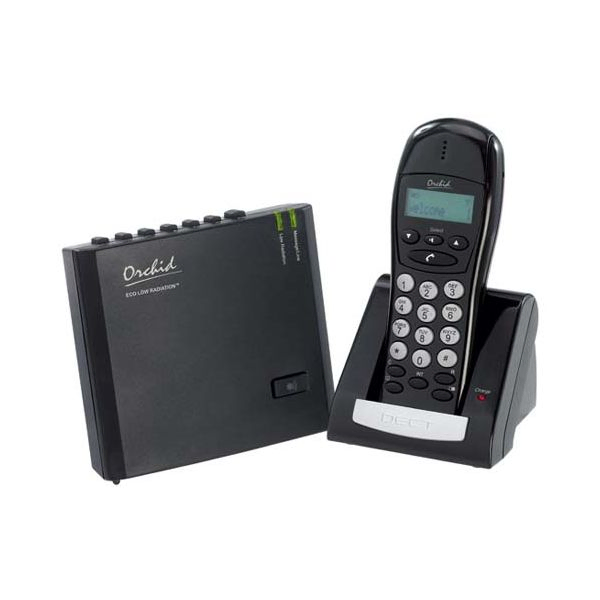
Are you aware that cordless phones emit radiation just like traditional cellular phones? While cordless digital devices can release emissions of up to 6V/m, many bases also emit radiation even when the phone is not in use. Unfortunately, we know very little about the type of radiation emitted by cellphones, making it difficult to determine their potential impact on human health.
Meanwhile, research teams are working to prove the possible negative effects of radiation exposure, while some German companies have developed cordless devices with low emission levels.
Understanding Cordless Phones and Radiation
Cordless phones of the third generation do not emit continuous radiation. Modern models can regulate the power of emission based on distance or proximity to the base station. Many people are accustomed to placing their cordless phone next to their bed, just a few feet away from the bedside table. This increases the exposure time to the emitted radiation.
When we talk about radiation from portable devices, we’re referring to a new type of pollution, with the number of sources of electromagnetic waves growing rapidly. Human exposure to these waves is constant. The International Agency for Research on Cancer (IARC) has stated that long-term use of cellphones may be associated with certain types of tumors, although there is no conclusive scientific evidence yet.
As we wait for “proof,” it’s possible to return to the old-fashioned phone with cords and give up modern cordless phones for a while. If you can’t resist using a cordless phone, look for models that minimize transmission power when the device is inactive.
The Science Behind Radiation Emissions
Radiofrequency (RF) radiation is a form of electromagnetic energy used in wireless communication devices. It’s emitted by cellphones, cordless phones, and other electronic devices. RF radiation can cause heating effects on tissues, which may lead to biological damage over time.
Cordless phones emit RF radiation due to the base station transmitter, which sends signals to the handsets. However, not all cordless phones are created equal; some models have better emission controls than others. The European Union has set limits for RF emissions from devices like cordless phones, but these limits may not be strict enough to protect users.
The Risks of Radiation Exposure
Long-term exposure to radiation can cause a range of health problems, including:
- Increased risk of cancer: Exposure to RF radiation has been linked to an increased risk of certain types of cancer, such as brain cancer and leukemia.
- Headaches and migraines: Some people may experience headaches or migraines due to exposure to RF radiation.
- Sleep disturbances: Exposure to RF radiation can disrupt sleep patterns and reduce the quality of sleep.
- Neurological effects: There is evidence that long-term exposure to RF radiation may cause neurological damage, including changes in brain function and behavior.
The Siemens Solution: Gigaset Eco Plus
The Siemens company has addressed this issue by proposing the Gigaset Eco Plus model, which features an eco-friendly mode with extremely low emissions. The Gigaset Siemens emits radio waves below the recommended limits.
Although there are no scientific evidence yet to prove that radio waves emitted by DECT phones can be harmful, it’s better to adopt a cautious approach and use cordless phones with low emission levels or those that automatically reduce transmission power (just like the Gigaset). These cordless phones also offer energy savings of up to 60% due to the Eco Plus mode used by the Gigaset.
Panasonic’s Solution: Eco Smart
The Panasonic company also offers cordless devices equipped with an Eco Smart mode, which automatically reduces energy consumption and produces fewer emissions.
Key Facts About Cordless Phones and Radiation
• Cordless digital devices can release emissions of up to 6V/m.
• Many bases also emit radiation even when the phone is not in use.
• There are no conclusive scientific evidence yet about the potential health effects of radio wave exposure from cordless phones.
• Some German companies have developed cordless devices with low emission levels.
• Modern cordless phones can regulate transmission power based on distance or proximity to the base station.
Conclusion
While we wait for more research and conclusive evidence, it’s essential to adopt a cautious approach when using cordless phones. Look for models that minimize radiation emissions, especially if you plan to use them in close proximity to your body. Additionally, consider energy-saving features like Eco Plus or Eco Smart, which can reduce both radiation exposure and energy consumption.
Frequently Asked Questions (FAQs)
- Q: How do I minimize my exposure to radiation from cordless phones?
A: Look for cordless phones with low emission levels, especially those that automatically reduce transmission power when not in use. - Q: Are there any scientific studies on the health effects of radio wave exposure from cordless phones?
A: There is no conclusive evidence yet, but ongoing research is being conducted to better understand this issue. - Q: Can I simply return to an old-fashioned phone with a cord?
A: While it’s not necessary, returning to a traditional phone can reduce your exposure to radiation from cordless phones. - Q: Are all cordless phones safe to use?
A: Not all cordless phones are created equal; look for models with low emission levels and energy-saving features like Eco Plus or Eco Smart. -
Q: How do I choose the right cordless phone for my needs?
A: Consider factors such as radiation emission level, energy efficiency, and additional features like voice enhancement or noise cancellation. -
Q: Can I use a cordless phone in close proximity to my body to minimize exposure?
A: It’s generally recommended to keep a safe distance from the base station when using a cordless phone to minimize radiation exposure. - Q: Are there any alternative solutions to reduce radiation exposure from cordless phones?
A: Yes, consider using a headset or speakerphone instead of holding the phone directly against your ear. - Q: How can I stay informed about new research and developments on cordless phones and radiation?
A: Follow reputable sources and news outlets for updates on this topic.
By taking these precautions and being aware of the potential risks, you can enjoy a safer and healthier communication experience with your cordless phone.


