
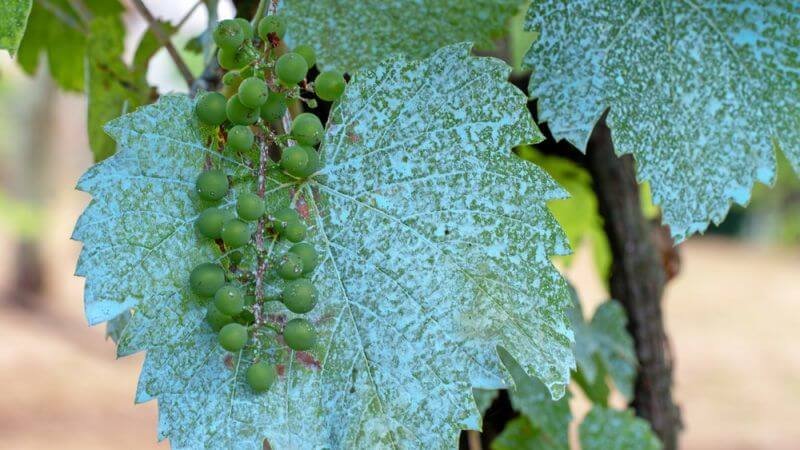
Copper has been used in organic agriculture for over a century, and its benefits are still widely recognized today. However, like any other element, excessive use of copper can be detrimental to the environment and the quality of the soil. In this article, we will delve into the world of copper in organic agriculture, exploring its uses, risks, and limitations.
What is Copper Used for in Organic Agriculture?
Copper is used as a fungicide and bactericide to control various plant diseases such as powdery mildew, black spot, and botrytis. It also serves as a foliar spray to protect plants from pests like aphids, whiteflies, and spider mites. Copper-based products are commonly used in organic farming to replace synthetic pesticides.
Copper is particularly effective against fungal diseases that affect grains, such as powdery mildew and black spot. These diseases can cause significant yield losses if left unchecked. Additionally, copper-based products have been shown to be effective against other types of pests, including the spider mite and aphid.
How Does Copper Work?
Copper works by releasing ions that are toxic to fungal spores when they come into contact with water and carbon dioxide. These ions bind to the cell walls of fungi, preventing them from germinating and growing. Unlike systemic fungicides, copper-based products only affect the surface of plants, making them safer for beneficial insects and microorganisms.
Copper also has a role in plant defense mechanisms. Plants have natural defenses against fungal infections, and copper plays a key role in the production of these defenses. Copper is also involved in the synthesis of phytoalexins, which are chemicals that help to protect plants from fungal pathogens.
What Are the Benefits of Using Copper in Organic Agriculture?
Copper has several benefits when used correctly:
- Effective against fungal diseases: Copper is particularly effective against powdery mildew, black spot, and botrytis, which are common problems in many crops.
- Non-systemic: Copper-based products only affect the surface of plants, reducing the risk of systemic toxicity to beneficial insects and microorganisms.
- Low cost: Copper is a relatively inexpensive fungicide compared to other options on the market.
Copper is also non-toxic to humans and pets when used correctly, making it a safe option for organic farmers who handle their crops directly before consumption.
What Are the Risks Associated with Using Copper in Organic Agriculture?
While copper can be an effective tool in organic agriculture, there are also some risks to consider:
- Environmental pollution: Excessive use of copper can lead to environmental pollution and soil contamination.
- Soil degradation: Repeated application of copper-based products can alter the pH level of the soil, making it less suitable for plant growth.
- Toxicity to beneficial insects: Copper can be toxic to beneficial insects like bees and butterflies, so caution should be exercised when applying copper-based products.
If not used properly, copper-based products can accumulate in the environment and lead to environmental pollution. This is particularly concerning if it is used in excessive quantities or over long periods of time.
How to Use Copper in Organic Agriculture Safely
To minimize the risks associated with using copper in organic agriculture, follow these guidelines:
- Use as directed: Always follow the label instructions for application rates and timing.
- Monitor soil pH: Regularly test your soil pH to ensure it remains within a safe range for plant growth.
- Choose copper-based products wisely: Select products that are certified organic and have minimal environmental impact.
When choosing copper-based products, look for those that are labeled as OMRI (Organic Materials Review Institute) approved or USDA Certified Organic. These products have undergone rigorous testing to ensure they meet strict standards for safety and effectiveness.
Best Practices for Using Copper in Organic Agriculture
To get the most out of copper in organic agriculture, follow these best practices:
- Apply during optimal conditions: Apply copper-based products when the weather is cool and moist to maximize their effectiveness.
- Use as a preventative measure: Regularly apply copper-based products to prevent disease outbreaks before they occur.
- Combine with other methods: Use copper in combination with other integrated pest management strategies, such as crop rotation and biological control.
When combining copper-based products with other methods, consider the timing of application. For example, applying copper-based products just before planting can help prevent disease outbreaks early on.
FAQs
Q: What is the difference between copper-based products and other fungicides?
A: Copper-based products are a type of organic fungicide that works by releasing ions toxic to fungal spores. Other fungicides may be synthetic or chemical-based.
Q: Can I use copper-based products on all types of plants?
A: No, some plants like roses and succulents may not respond well to copper-based products. Always follow the label instructions for specific plant recommendations.
Q: How long does it take for copper-based products to work?
A: The effectiveness of copper-based products can vary depending on factors like weather conditions and soil type. In general, you can expect to see results within 24-48 hours after application.
Q: Can I use copper-based products in conjunction with other pesticides?
A: No, it’s recommended to use copper-based products as a standalone fungicide to avoid potential interactions with other chemicals.
Q: Are there any alternative fungicides available for organic agriculture?
A: Yes, there are several alternatives like neem oil and garlic spray that can be used against fungal diseases in organic farming.


