
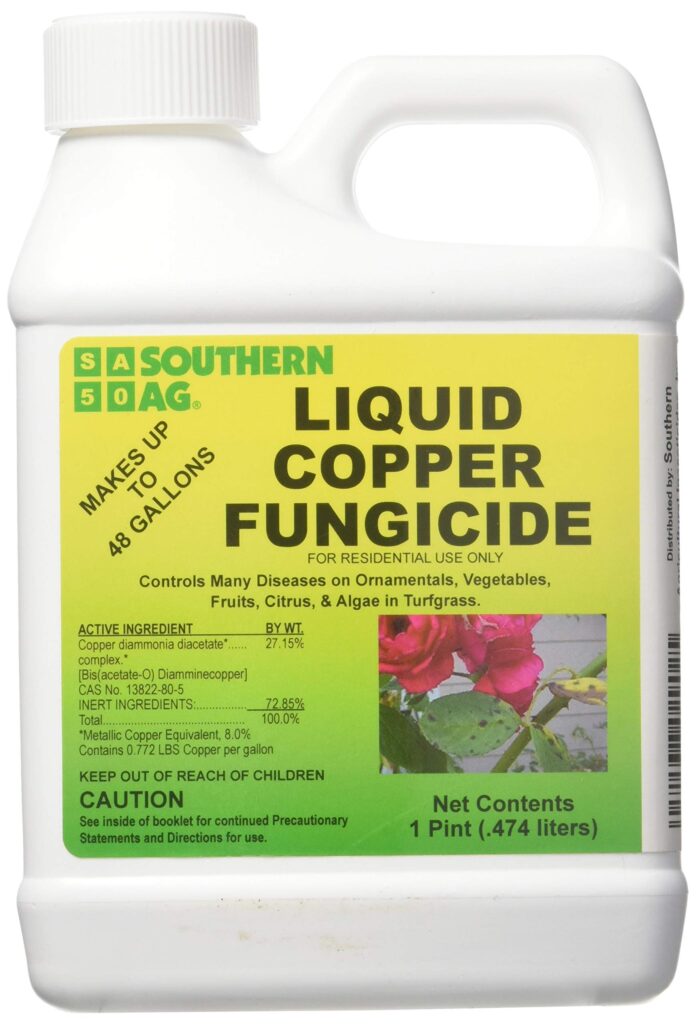
Copper-based fungicides have been used for decades to protect crops from fungal diseases. But how does copper work, and what are its benefits and limitations?
The Role of Copper in Agriculture
Copper is an essential micronutrient for plants, playing a crucial role in various physiological processes. However, excessive copper can be toxic to plants and microorganisms. In agriculture, copper-based fungicides have been used to control fungal diseases that can severely impact crop yields.
Fungicidal Copper: How it Works
Copper-based fungicides are surface-active agents, meaning they don’t penetrate plant tissues but rather work on the surface of fungal spores and hyphae. They inhibit the growth and reproduction of fungi, ultimately leading to disease suppression.
The Science Behind Fungicidal Copper
Fungicidal copper works by disrupting the cell membrane of fungal cells, preventing them from reproducing and spreading. This is achieved through a process called “membrane disruption,” where the copper ions penetrate the fungal cell wall and interfere with its ability to maintain its structural integrity.
Using Fungicidal Copper in Agriculture
Fungicidal copper can be used to control various fungal diseases, including:
- Botrytis
- Sclerotinia
- Oidium
- Other diseases caused by fungi such as Verticillium and Fusarium
However, it’s essential to note that fungicidal copper is not effective against all fungal diseases.
Precautions when Using Fungicidal Copper
When using fungicidal copper, it’s crucial to follow these guidelines:
- Dose: Use the recommended dose to avoid excessive copper buildup in the soil.
- Application: Apply the product evenly and uniformly on the affected area.
- Timing: Timing is critical, as applying fungicidal copper too early or too late can reduce its effectiveness.
Benefits of Fungicidal Copper
Fungicidal copper has several benefits for agriculture:
- Environmentally friendly: Copper-based fungicides are generally safer for the environment and human health.
- Long-lasting: Copper-based fungicides can persist in the soil for extended periods, providing prolonged disease control.
Limitations of Fungicidal Copper
However, fungicidal copper also has some limitations:
- Limited spectrum of activity: Copper-based fungicides may not be effective against all fungal diseases.
- Risk of copper buildup: Excessive copper accumulation can lead to toxicity and harm crops.
Preparing Fungicidal Copper Solutions
To prepare a fungicidal copper solution, you’ll need the following ingredients:
- Sulfate of copper (CuSO4)
- Limestone
The typical ratio for preparing a fungicidal copper solution is 20 grams of CuSO4 per 800 ml of water.
Frequently Asked Questions
Here are some frequently asked questions about fungicidal copper:
Q: What is the recommended dose of copper for agriculture?
A: The recommended dose of copper varies depending on the specific product and crop. It’s essential to follow the product label instructions.
Q: Can I use copper-based fungicides on all crops?
A: No, copper-based fungicides are not effective against all fungal diseases. Always consult with a veterinarian before using any pesticide.
Q: How long does copper persist in the soil?
A: Copper can persist in the soil for extended periods, providing prolonged disease control.
Q: What are the risks of excessive copper accumulation in the soil?
A: Excessive copper accumulation can lead to toxicity and harm crops. Always follow proper application rates and guidelines.
Conclusion
Fungicidal copper is a widely used fungicide that offers several benefits for agriculture. However, it’s essential to use it properly and follow recommended application rates to avoid excessive copper buildup in the soil. By understanding how copper works and its limitations, farmers can make informed decisions about using fungicidal copper to protect their crops from fungal diseases.
Real-World Applications
Fungicidal copper is widely used in various agricultural settings:
- Organic farming: Copper-based fungicides are often preferred by organic farmers due to their environmental safety and effectiveness.
- Conventional farming: Fungicidal copper is also used in conventional farming practices, where it’s often combined with other pesticides for comprehensive disease control.
Future Research Directions
While fungicidal copper has been widely used for decades, there’s still room for improvement. Future research directions include:
- Developing more targeted copper formulations: Researchers are working on creating copper-based fungicides that can target specific fungal diseases.
- Improving copper uptake and translocation: Scientists aim to understand how copper is taken up by plants and translocated throughout the plant, which could lead to more efficient use of this essential micronutrient.
Challenges and Limitations
Despite its benefits, fungicidal copper faces several challenges:
- Copper toxicity: High concentrations of copper can be toxic to crops, highlighting the need for precise application rates.
- Fungal resistance: The overuse of fungicidal copper has led to the development of resistant fungal strains.
Regulatory Frameworks
To ensure safe and effective use of fungicidal copper, regulatory frameworks are in place:
- US Environmental Protection Agency (EPA): The EPA regulates the use of copper-based fungicides in the United States.
- European Union: The EU has established strict guidelines for the use of fungicidal copper in European agriculture.
Conclusion
In conclusion, fungicidal copper is a vital tool for controlling fungal diseases in crops. By understanding how it works and its limitations, farmers can make informed decisions about using this essential micronutrient to protect their yields.


