
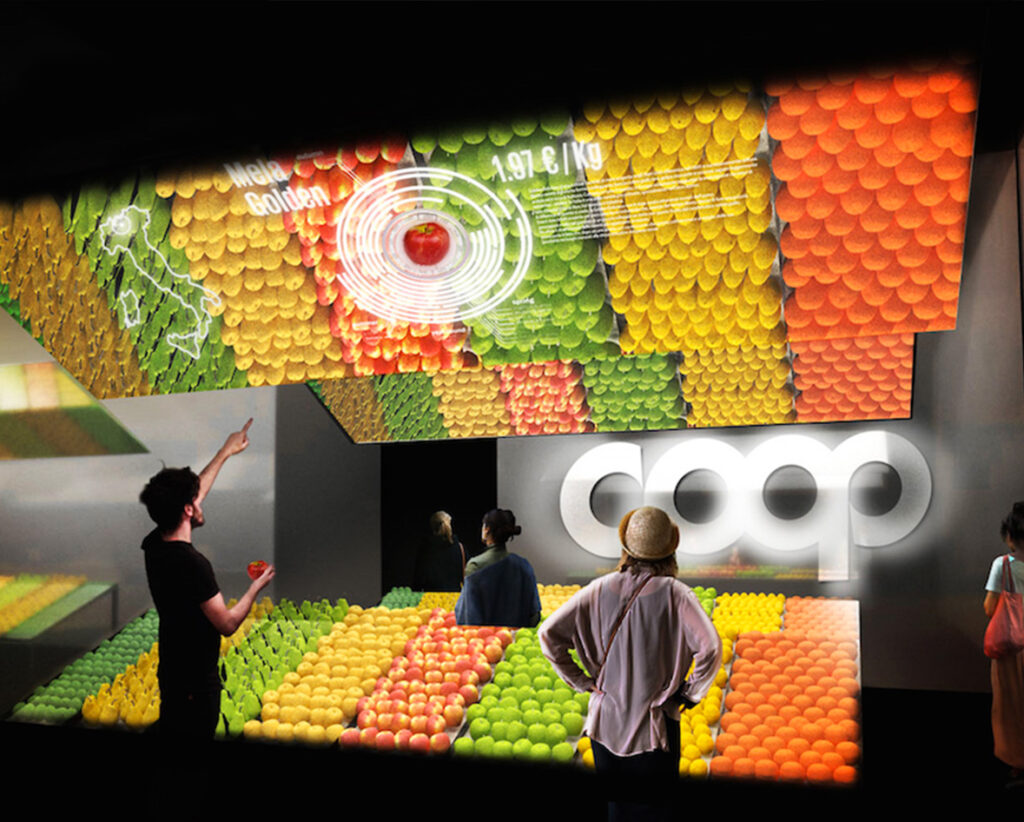
As we look to the future, it’s clear that the way we shop and interact with food will never be the same. At the forefront of this revolution is Coop, Italy’s leading grocery retailer, which has partnered with the Massachusetts Institute of Technology (MIT) to create an innovative Food Distribution Zone at Expo Milano 2015.
The Birth of a Sustainable Supermarket
Coop’s partnership with MIT marks a significant milestone in the evolution of retail, demonstrating the potential for collaboration to drive innovation and sustainability. The result is a supermarket that not only showcases cutting-edge technology but also promotes environmentally conscious practices throughout every step of the supply chain.
So, what makes Coop the perfect partner for this ambitious project? The answer lies in their shared vision for a sustainable and technological food system. By combining Coop’s expertise in logistics and distribution with MIT’s research, they aim to create a supermarket that is both futuristic and environmentally conscious.
The Benefits of Sustainable Food Systems
One of the primary goals of Expo Milano 2015 is to promote sustainable food systems. These systems prioritize environmental responsibility, social equity, and economic viability. By partnering with Coop, the event aims to showcase innovative solutions for sustainable food production and distribution, ultimately reducing the carbon footprint of the global food system.
A New Era in Retail: Technology Meets Sustainability
Coop’s partnership with MIT marks a significant shift towards the future of retail. The company is committed to using technology to drive sustainability, from reducing energy consumption in its stores to optimizing logistics and supply chain management.
The supermarket of the future will feature cutting-edge technology that not only streamlines processes but also educates consumers about sustainable food systems. This includes portals and touch screens that guide shoppers through an immersive experience, while video projections showcase the origin of each product. The system even allows for real-time tracking of products’ carbon footprint, making every purchase a more informed decision.
The Impact on Consumers
At Coop’s Food Distribution Zone at Expo Milano 2015, consumers will have access to a wide range of innovative solutions that promote sustainable food practices. From degustations and consultations to workshops and demonstrations, the company aims to educate consumers about the importance of sustainable food systems.
One key initiative is the “Green Cart,” a cart made from recycled materials that can be tagged and tracked, promoting eco-friendly practices throughout the supply chain. This innovative solution encourages consumers to reduce their environmental impact while also making informed purchasing decisions.
The Future Food District: A Model for Sustainability
At the heart of Expo Milano 2015 lies the Future Food District, a hub that showcases innovative solutions for sustainable food production and distribution. Among its features is the “Green Cart,” as well as other initiatives that promote eco-friendly practices throughout every step of the supply chain.
The district also highlights cutting-edge technologies such as vertical farming and precision agriculture, which aim to reduce the environmental impact of food production while increasing efficiency and yields.
Conclusion: A New Era in Sustainable Retail
The partnership between Coop and MIT represents a significant milestone in the evolution of retail, demonstrating the potential for collaboration to drive innovation and sustainability. As we move forward, it’s clear that the future of food will be shaped by technological advancements, social responsibility, and environmental awareness.
Frequently Asked Questions (FAQs)
- What inspired Coop to partner with MIT for Expo Milano 2015?
Coop partnered with MIT to create an innovative Food Distribution Zone at Expo Milano 2015, combining their expertise in logistics and distribution with cutting-edge research from the Massachusetts Institute of Technology.
- How does the Green Cart work?
The Green Cart is made from recycled materials and can be tagged and tracked, promoting eco-friendly practices throughout the supply chain.
- What initiatives will Coop promote at Expo Milano 2015?
Coop aims to educate consumers about sustainable food systems through degustations, consultations, and workshops, promoting healthy eating habits and responsible consumption.
- How many tickets will Coop distribute at Expo Milano 2015?
Over a million tickets will be distributed through physical sales channels and the websites of both Coop and Expo Milano 2015.
- What is the estimated value of the partnership between Coop and MIT?
The partnership has an estimated value of €13 million.
- How does the Future Food District contribute to sustainable food production and distribution?
The Future Food District showcases innovative solutions for sustainable food production and distribution, such as the Green Cart, which promotes eco-friendly practices throughout the supply chain.
- What role will Coop play in promoting Expo Milano 2015?
Coop will distribute tickets through physical sales channels and their websites, combining them with products or services.
- How does this partnership reflect the vision for a sustainable food system?
The partnership between Coop and MIT reflects a shared vision for a sustainable food system that combines technological advancements, social responsibility, and environmental awareness.
Additional Insights into Sustainable Food Systems
Sustainable food systems prioritize environmental responsibility, social equity, and economic viability. These systems aim to reduce the negative impacts of agriculture on the environment while promoting healthy eating habits and responsible consumption.
Some key strategies for achieving sustainable food systems include:
- Reducing food waste: By optimizing logistics and supply chain management, companies can reduce food waste and minimize their environmental impact.
- Promoting local production: Supporting local farmers and producers can help to promote sustainable agriculture practices while also supporting the local economy.
- Encouraging eco-friendly practices: Initiatives such as the Green Cart encourage consumers to make informed purchasing decisions and adopt eco-friendly practices throughout every step of the supply chain.
Conclusion
The partnership between Coop and MIT marks a significant milestone in the evolution of retail, demonstrating the potential for collaboration to drive innovation and sustainability. As we move forward, it’s clear that the future of food will be shaped by technological advancements, social responsibility, and environmental awareness.


