
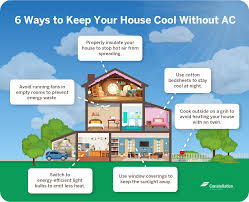
Are you one of the unfortunate few who doesn’t have air conditioning in their home? Don’t worry, we’ve got you covered. In this article, we’ll show you how to keep your house cool and comfortable without relying on an air conditioner. From understanding the challenges of staying cool to exploring alternative cooling methods, we’ll cover it all.
The Challenges of Staying Cool Without Air Conditioning
Let’s face it: staying cool in the summer without air conditioning can be a real challenge. The mercury is rising, and it seems like every year it gets hotter and harder to beat. This summer, the mercury broke records, making it even more difficult for those without air conditioning to stay cool.
The heat index, also known as the apparent temperature, plays a significant role in how hot or comfortable we feel outside. When the temperature is high and humidity is low, we tend to feel hotter than when the temperature is lower but the humidity is higher. This phenomenon is known as the heat index effect.
So, what can you do? First, let’s talk about the importance of proper ventilation. A well-insulated house with plenty of shade is your best bet for staying cool naturally. But if that’s not possible, there are other ways to keep your home cool.
Using Ventilators and Other Cooling Methods
A fan can be a big help when used in conjunction with some clever tricks. Here are a few tips to get you started:
- Close curtains, blinds, and shades during the hottest parts of the day to keep the sun’s rays out.
- Open windows and doors at night to let in cool air, but close them again before dawn to trap that coolness inside.
- Use shade-producing plants or temporary shading solutions like canopies or umbrellas to create a cooler space.
In addition to fans, there are other cooling methods you can use:
- Evaporative Cooling Systems: Also known as swamp coolers, these systems use water to cool the air through evaporation. They’re energy-efficient and can be an effective alternative to traditional air conditioning.
- Misting Fans: Misting fans spray water into the air to lower the temperature and humidity. They’re a great option for small spaces or areas with limited shade.
- Shaded Windows: Apply shades, blinds, or window films to block out direct sunlight and keep your windows cool.
- Thermal Mass: Use thermal mass materials like concrete, brick, or stone to absorb heat during the day and release it at night.
The Dangers of Heat Stress
While it may be tempting to try to stay cool without an air conditioner, there’s another reason why you should consider using one: heat stress. Prolonged exposure to high temperatures can cause serious health problems, especially for older adults and those with pre-existing medical conditions.
Heat stress can lead to:
- Dehydration
- Heat exhaustion (mild)
- Heat stroke (severe)
To avoid these risks, take the following precautions:
- Stay hydrated: Drink plenty of water or electrolyte-rich drinks like sports drinks.
- Take breaks: Rest in a cool, shaded area if you need to be outside for an extended period.
- Avoid strenuous activities: Try to schedule outdoor activities during cooler parts of the day.
- Monitor your body temperature: If you start feeling overheated, dizzy, or nauseous, seek medical attention.
Incentives for Air Conditioning
We know that buying an air conditioner can be expensive, but did you know that there are incentives available to help make it more affordable? Here are a few options:
- The Conto Termico Program: Offers rebates on energy-efficient appliances like air conditioners.
- The Energy Efficiency Incentive Program (EEP): Provides tax credits for homeowners who install energy-efficient equipment like air conditioning units.
- Local Rebates and Tax Credits: Check with your local government or utility company to see if there are any additional incentives available.
Conclusion
Staying cool without an air conditioner can be challenging, but it’s not impossible. By using proper ventilation techniques, employing clever cooling methods, and being mindful of heat stress, you can keep your home comfortable even in the hottest temperatures. And if you’re in the market for a new air conditioner, don’t forget to take advantage of available incentives.
Frequently Asked Questions
Q: Is it safe to stay cool without an air conditioner?
A: Yes, but be mindful of heat stress and take precautions to stay safe.
Q: What are some effective ways to use fans to stay cool?
A: Use fans in conjunction with shade-producing plants or temporary shading solutions to create a cooler space.
Q: Can I really save money by using natural cooling methods?
A: Absolutely! By reducing your reliance on air conditioning, you can save money on energy bills and extend the life of your appliances.
Q: Are there any health risks associated with staying cool without an air conditioner?
A: Yes, prolonged exposure to high temperatures can cause heat stress, which can be serious for older adults and those with pre-existing medical conditions.
Q: What are some alternative cooling methods that don’t involve fans or air conditioning?
A: Consider using evaporative cooling systems, misting fans, or other innovative solutions to stay cool without relying on traditional air conditioning.
Q: Can I really make my house cooler without an air conditioner?
A: Yes! By employing clever ventilation techniques and using natural cooling methods, you can keep your home comfortable even in the hottest temperatures.
Q: How much can I expect to save by using natural cooling methods?
A: The amount you’ll save will depend on factors like your location, climate, and energy usage, but it’s likely to be significant.
Q: Are there any local incentives available for air conditioning purchases?
A: Yes, check with your local government or utility company to see if there are any rebates or tax credits available for energy-efficient appliances like air conditioners.


