
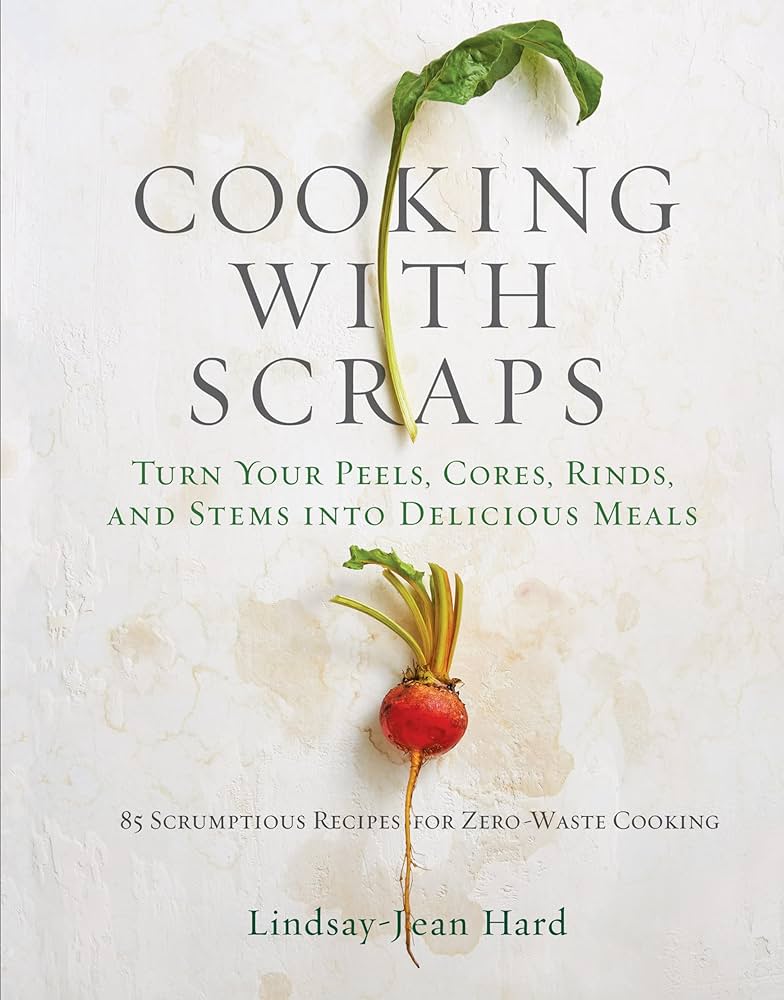
What is Cooking with Scraps?
Cooking with scraps is not only an ethical choice but also a valid option to create delicious dishes at zero cost. It’s a simple yet effective way to reduce food waste, avoid throwing money and food away, and experiment with new recipes. In this article, we’ll explore the benefits of cooking with scraps, provide some practical tips, and showcase various ways to creatively use leftovers.
The Problem of Food Waste
Every day, tons of food scraps are thrown away due to laziness, lack of culinary imagination, and bad judgment. The scraps are often just a part of an ingredient that’s discarded after preparing a dish: peels, stems, leaves, seeds. But must it be discarded? Absolutely not! Food waste is a significant issue worldwide, with millions of tons of food being wasted each year.
The Benefits of Cooking with Scraps
Cooking with scraps has several benefits. Not only does it reduce food waste, but it also allows you to:
- Avoid throwing money and food away
- Experiment with new recipes and flavors
- Reduce your environmental footprint by using fewer resources
- Save time and effort in the kitchen
Why Should We Cook with Scraps?
So, why should we cook with scraps? Here are a few compelling reasons:
- Reduce waste: Cooking with scraps helps reduce food waste, which is a significant contributor to greenhouse gas emissions.
- Save money: By using up leftovers, you can save money on grocery bills and reduce your environmental impact.
- Get creative: Cooking with scraps encourages creativity in the kitchen, allowing you to experiment with new flavors and recipes.
How to Cook with Scraps: Tips and Tricks
Cooking with scraps is easier than you think. Here are some practical tips to get you started:
- Refrain from peeling vegetables: Many vegetable peels contain more nutrients than the edible parts.
- Use stems and leaves: Stems and leaves can be used in soups, stews, or as a topping for salads.
- Make polpette with vegetable peels: Mix vegetable peels with eggs, bread crumbs, and your choice of protein for a delicious and healthy snack.
Delicious Recipes to Try
Here are some mouth-watering recipes to try:
- Vegetable peel fried rice: Use vegetable peels, leftover rice, and your favorite vegetables to make a tasty and nutritious meal.
- Spinach stem soup: Blend spinach stems with chicken or vegetable broth for a delicious and healthy soup.
- Celery leaf cream: Mix celery leaves with cream, garlic, and lemon juice for a tasty and refreshing topping.
Tips for Cooking with Scraps
Here are some additional tips to help you get the most out of cooking with scraps:
- Plan your meals around scraps: When planning your meals, think about how you can use up scraps from previous meals.
- Keep an inventory of scraps: Keep a list or bin for scraps, so you don’t forget what you have and can easily plan meals around them.
- Freeze scraps: Freeze scraps like meat, vegetables, and bread to use later in soups, stews, or casseroles.
Common Scraps to Use
Here are some common scraps that you should consider using:
- Vegetable peels: Use vegetable peels in soups, stews, or as a topping for salads.
- Stems and leaves: Use stems and leaves in soups, stews, or as a topping for salads.
- Bones: Use bones to make broth, stock, or soup.
- Leftover rice: Use leftover rice to make fried rice, risotto, or other dishes.
How to Store Scraps
To keep your scraps fresh and usable, you’ll need to store them properly. Here are some tips:
- Store in airtight containers: Keep scraps in airtight containers or bins to prevent spoilage.
- Keep them clean: Wash scraps before storing them to prevent bacterial growth.
- Label and date: Label and date your scrap containers so you can easily keep track of what you have.
Conclusion
Cooking with scraps is a simple yet effective way to reduce food waste, avoid throwing money and food away, and experiment with new recipes. By following these tips and tricks, you can create delicious dishes using leftovers and join the movement to reduce food waste in your community.


