
Introduction
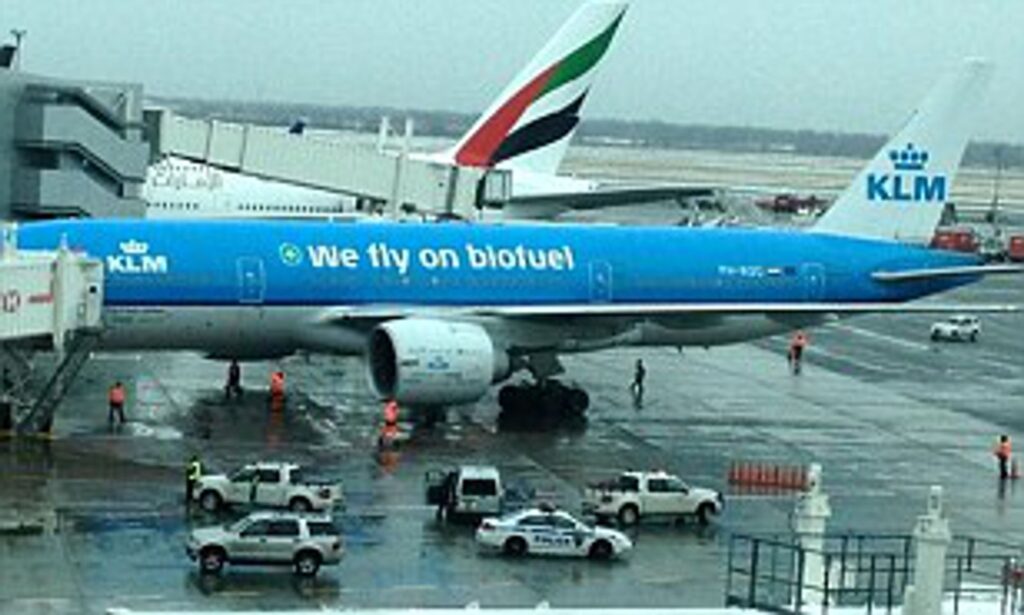
As we continue to grapple with the challenges of climate change, the aviation industry is under increasing pressure to reduce its carbon footprint. One innovative solution gaining traction is the use of sustainable aviation fuels (SAF), which are being used by airlines like KLM to power their flights. In this article, we’ll delve into the world of SAF, exploring how they’re made, why they’re important, and what the future holds for this game-changing technology.
What is Sustainable Aviation Fuel?
SAF is a type of fuel that’s designed to reduce greenhouse gas emissions from air travel. It’s typically made from renewable resources such as vegetable oils or waste biomass, which are converted into a usable fuel. SAF can be blended with traditional jet fuel to power aircraft engines.
KLM’s SAF Experiment
In 2013, KLM became the first airline to use SAF in commercial flights. The Dutch carrier used a mix of 25% SAF and 75% traditional jet fuel to power its flights between New York and Amsterdam. This experiment marked an important step towards reducing emissions from air travel.
How is SAF Made?
SAF is typically made through a process called transesterification, which involves converting vegetable oils or waste biomass into fatty acid methyl esters (FAME). FAME can be blended with traditional jet fuel to create a usable SAF. The production process for SAF is complex and requires significant resources.
The process of making SAF typically involves the following steps:
- Harvesting: Vegetable oils or waste biomass are harvested from renewable sources.
- Processing: The oil or biomass is processed into a usable form, often through a series of chemical reactions.
- Transesterification: The oil or biomass is converted into FAME through transesterification.
- Blending: FAME is blended with traditional jet fuel to create a usable SAF.
The Benefits of SAF
SAF offers several benefits over traditional jet fuel. For one, it reduces greenhouse gas emissions from air travel by up to 80%. This is because SAF is made from renewable resources, which don’t contribute to climate change. Additionally, SAF can be produced locally, reducing reliance on imported fuels.
Another benefit of SAF is its potential to improve energy security. By using local fuel sources, airlines can reduce their dependence on foreign oil supplies, making them less vulnerable to price fluctuations and supply disruptions.
SAF also has the potential to support local economies. Many SAF production facilities are located in rural areas, where they can provide jobs and stimulate local economic growth.
Challenges and Limitations
While SAF has many benefits, there are also challenges and limitations to its adoption. For one, the production process for SAF is complex and requires significant resources. This includes significant investments in new technologies and infrastructure, as well as expertise in processing and blending FAME with traditional jet fuel.
Additionally, SAF can be more expensive than traditional jet fuel, making it less competitive in the market. This is due to a variety of factors, including the high cost of renewable resource feedstocks, transportation costs, and economies of scale.
The Future of SAF
As concern about climate change continues to grow, the demand for SAF is likely to increase. In fact, many experts predict that SAF will play a critical role in reducing emissions from air travel by 2050.
To meet this demand, airlines like KLM are investing heavily in SAF production and research. This includes partnerships with companies specializing in SAF production, as well as investments in new technologies and infrastructure.
How Can We Promote the Use of SAF?
So how can we promote the use of SAF? For one, governments and policymakers need to create incentives for the production and use of SAF. This could include tax breaks, subsidies, or other forms of support.
Additionally, educating consumers about the benefits of SAF is crucial for driving demand. Airlines and aviation companies can play a key role in promoting SAF by highlighting its benefits and showcasing examples of successful SAF deployments.
Conclusion
The use of sustainable aviation fuels (SAF) marks an important step towards reducing emissions from air travel. As concern about climate change continues to grow, the demand for SAF is likely to increase. While there are challenges and limitations to its adoption, the benefits of SAF make it an essential technology for the future of flight.
Frequently Asked Questions
Q: What is sustainable aviation fuel?
A: Sustainable aviation fuel (SAF) is a type of fuel that’s designed to reduce greenhouse gas emissions from air travel. It’s typically made from renewable resources such as vegetable oils or waste biomass.
Q: How is SAF produced?
A: SAF is typically produced through a process called transesterification, which involves converting vegetable oils or waste biomass into fatty acid methyl esters (FAME).
Q: What are the benefits of SAF?
A: The benefits of SAF include reducing greenhouse gas emissions from air travel by up to 80%, improving energy security, and supporting local economies.
Q: How can I support the use of SAF?
A: You can support the use of SAF by encouraging your airline to use it on flights. Additionally, you can educate yourself about the benefits of SAF and advocate for policy changes that promote its adoption.
Q: What is the future of SAF?
A: The future of SAF looks bright, with many experts predicting that it will play a critical role in reducing emissions from air travel by 2050.
Q: How much does SAF cost?
A: The cost of SAF varies depending on the production method and location. In some cases, SAF can be more expensive than traditional jet fuel.
Q: Can SAF be used for all types of flights?
A: Yes, SAF can be used for all types of flights, including commercial airline flights, general aviation flights, and military flights.
Q: How is SAF made from waste biomass?
A: SAF can be made from waste biomass through a process called anaerobic digestion, which involves breaking down organic matter in the absence of oxygen.
Q: Can SAF be used for space travel?
A: Yes, SAF can potentially be used for space travel, although this would require significant advances in technology and infrastructure.


