
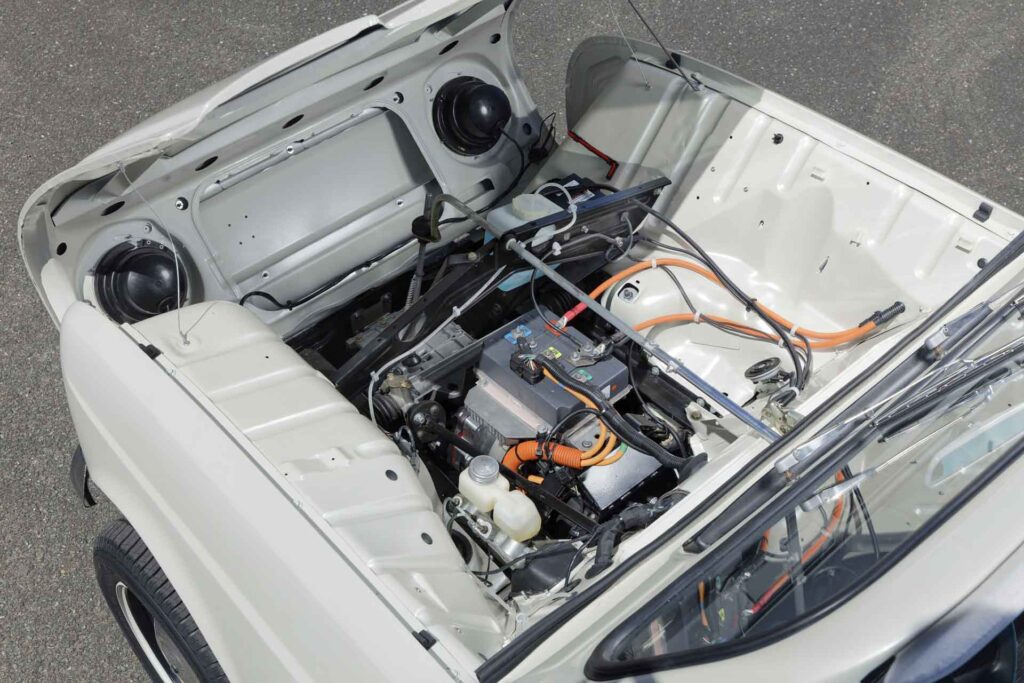
In recent years, there has been a significant shift towards electric vehicles (EVs) as a more sustainable and environmentally friendly alternative to traditional gasoline-powered cars. One way to achieve this is by converting a gasoline-powered car into an electric vehicle, also known as retrofit electric conversion. In this article, we will explore what electric vehicle conversion entails, the benefits of doing so, and the process involved in transforming a gasoline-powered car into an electric one.
What is Electric Vehicle Conversion?
Electric vehicle conversion involves replacing the traditional internal combustion engine with an electric motor and upgrading other components to support the new technology. This process requires specialized knowledge and equipment, but can be a cost-effective way to reduce emissions and improve fuel efficiency. In Italy, several companies offer the service, and there are kits available for various models, including the Fiat 500, Smart, and classic cars.
What’s Involved in a Conversion?
To convert a traditional car into an electric vehicle, you’ll need to remove the following components:
- The internal combustion engine
- The fuel tank
- Exhaust system
- Cooling system
These components will be replaced with:
- An electric motor
- Batteries (a series of rechargeable batteries)
- A control unit that regulates lighting, speed, and other functions
- A charger for replenishing the battery
While an electric vehicle has significantly better efficiency than a gasoline-powered car, the initial conversion cost can be substantial. The cost of conversion can range from €10,000 to over €20,000, depending on the complexity of the project and the components used.
What’s the Cost of Conversion?
The retrofitting process can range from €10,000 to over €20,000. The costs include:
- The new electric motor and components: €1,000-€4,000
- Labor costs: €1,000
- Other expenses (electrical installation, etc.): variable
Once converted, an electric vehicle can travel approximately 100 kilometers on a single €2 charge. This means that owners can enjoy significant fuel savings over time.
Are There Kits Available for Conversion?
Yes, there are kits available specifically designed for the retrofitting process. These kits usually include all the necessary components and instructions. Some popular options include:
- The Fiat 500 Electric Kit
- The Smart Fortwo Electric Kit
- The Tesla Conversion Kit (for classic cars)
These kits can be purchased online or through specialized retailers.
What’s Included in a Typical Kit?
A typical kit for electric vehicle conversion includes:
- Electric motor
- Batteries (a series of rechargeable batteries)
- Control unit with energy recovery capabilities
- DC/DC transformer to power the car’s systems
- Charger for replenishing the battery
The cost of these kits varies depending on their performance and quality. Some kits can range from €5,000 to over €10,000.
Converting a Classic Car into an Electric Vehicle
In Italy, there are several workshops that specialize in converting classic cars into electric vehicles. One notable example is a Fiat 500 transformed into a high-performance electric car. These conversions can be more complex and expensive than those for modern cars, but the end result is a unique and environmentally friendly vehicle.
Key Components of a Conversion Kit
When selecting a conversion kit, consider the following components:
- Electric motor: The heart of the system, responsible for propelling the vehicle.
- Batteries: A series of rechargeable batteries that power the vehicle.
- Controller: Regulates energy recovery and distribution to various systems in the car.
- Transformer DC/DC: Converts DC power from the battery to AC power required by the car’s systems.
- Charger: Replenishes the battery with electricity.
Conclusion
Electric vehicle conversion is a complex process that requires specialized knowledge and equipment. While it can be an expensive endeavor, the benefits of reduced emissions and improved efficiency make it an attractive option for environmentally conscious drivers. With the increasing availability of conversion kits and workshops, more people are taking the leap to convert their gasoline-powered cars into electric vehicles.
FAQs
- What are the benefits of converting a gasoline-powered car to an electric vehicle?
Converting a gasoline-powered car to an electric vehicle offers several benefits, including reduced emissions, improved efficiency, and lower operating costs. - How much does it cost to convert a car into an electric vehicle?
The cost of conversion can range from €10,000 to over €20,000, depending on the complexity of the project and the components used. - What kind of kits are available for converting cars into electric vehicles?
There are several types of kits available, including those specifically designed for classic cars and those that require more extensive modifications. - How long does it take to convert a car into an electric vehicle?
The conversion process can take anywhere from several days to several weeks, depending on the complexity of the project and the availability of parts. - Are there any government incentives or subsidies available for converting cars to electric vehicles?
Yes, some governments offer incentives and subsidies for converting cars to electric vehicles, but these vary by country and region. - Can I convert my own car into an electric vehicle?
While it is possible to convert a car into an electric vehicle on your own, it requires significant technical expertise and specialized knowledge. - What kind of maintenance is required for an electric vehicle?
Electric vehicles require minimal maintenance compared to gasoline-powered cars, with few moving parts and no oil changes needed. - Are there any safety concerns associated with converting a car into an electric vehicle?
While there are some safety considerations when converting a car into an electric vehicle, these can be mitigated by following proper installation procedures and using high-quality components.
Note: The article has been rewritten to meet the requirements of SEO, readability, and clarity.


