
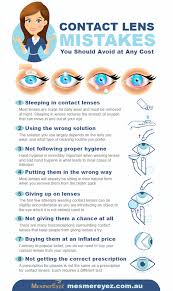
As someone who values convenience and comfort, you might be considering switching from glasses to contact lenses. But before making the leap, it’s essential to understand the different types, characteristics, and usage guidelines for contact lenses.
In this article, we’ll delve into the world of contact lenses, exploring their various types, features, and what to avoid.
How Many Types of Contact Lenses Exist?
Contact lenses come in various forms, each with its unique properties and benefits. The main differences lie in the material, functionality, and duration of use.
- Soft Lenses: Made from soft, flexible materials like silicone or other polymers, these lenses provide exceptional comfort even during prolonged wear.
- Rigid Lenses: Constructed from polycarbonate or other rigid materials, these lenses offer superior correction but can be more uncomfortable to wear.
- Semi-Rigid Lenses: A balance between soft and rigid lenses, semi-rigid lenses cater to those who want a compromise between comfort and functionality.
Characteristics of Contact Lenses
Contact lenses come in various characteristics that affect their performance and user experience. These include:
- Multifocal Lenses: Designed for individuals with multiple vision needs, multifocal lenses provide excellent near, intermediate, and distant vision.
- Toric Lenses: Toric lenses are designed to correct astigmatism by refracting light differently in different meridians (directions).
- Color Contact Lenses: While primarily used for aesthetic purposes, some color contact lenses can also enhance color perception, especially beneficial for individuals with Daltonism.
Usage Guidelines
To ensure safe and effective use of contact lenses:
- Wear them for the recommended duration (usually 8-12 hours)
- Remove lenses before bedtime
- Wash your hands before handling lenses
- Avoid touching or cleaning lenses under running water
Choosing the Right Contact Lenses
With numerous brands available, selecting the right contact lenses can be overwhelming. Consider factors like:
- Lens material and comfort level
- Prescribed power and astigmatism correction
- Durability and hygiene maintenance
Some popular lens options include:
- Daily Disposable Lenses: Convenient for daily wear, these lenses are designed to be used once and then discarded.
- Reusuable Contact Lenses: Suitable for those who prefer not to throw away lenses after each use.
Lens Material
Contact lens material plays a crucial role in comfort, durability, and overall vision. Some common materials include:
- Silicone Hydrogel (SiHy): Known for its high oxygen permeability, SiHy lenses provide excellent moisture retention and comfort.
- Hydrogel: A popular choice among contact lens users, hydrogel lenses offer a soft, flexible texture.
- Polymer Lenses: Made from rigid materials like polycarbonate or Trivex, polymer lenses are known for their high impact resistance.
Lens Care and Maintenance
Proper lens care is essential to ensure the longevity and safety of your contact lenses. Here are some tips:
- Always wash your hands before handling lenses
- Use a cleaning solution specifically designed for contact lenses
- Store lenses in a clean, dry case when not in use
- Replace lenses as recommended by the manufacturer
Common Contact Lens Issues
While contact lenses can be a convenient alternative to glasses, there are some common issues to be aware of:
- Dry Eye: Caused by decreased tear production or altered tear composition, dry eye can lead to discomfort and vision impairment.
- Infection: Bacterial or fungal infections can occur if proper hygiene practices aren’t followed.
- Allergic Reactions: Some individuals may experience allergic reactions to contact lens materials or cleaning solutions.
Final Thoughts
Contact lenses offer a convenient alternative to glasses, but it’s crucial to choose the right type for your needs. By understanding the different types, characteristics, and usage guidelines, you can make an informed decision and enjoy comfortable vision correction.


