
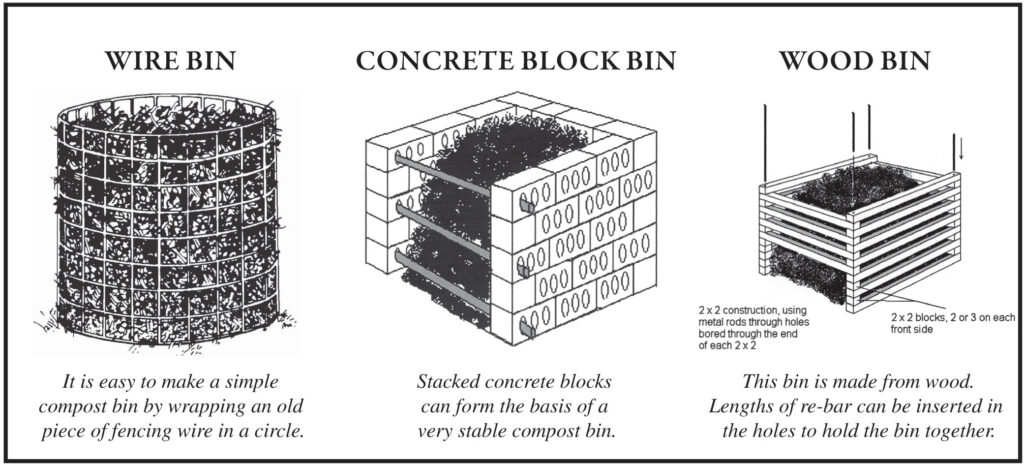
As we strive to live more sustainably, reducing our waste and promoting eco-friendly practices has become increasingly important. One effective way to achieve this is by recycling organic waste through composting. By creating your own compost bin at home, you can not only reduce the amount of waste sent to landfills but also create a nutrient-rich fertilizer for your garden.
Gathering Materials
Before we dive into the process, it’s essential to have the necessary materials. Here are what you’ll need:
- 5 meters of metal mesh with a 1-centimeter gap for every node (used for fencing)
- Strong wire
- 3 meters of breathable green fabric (for covering the bin)
- A pin or trowel
Understanding Composting
Composting is a natural process that involves breaking down organic waste into a nutrient-rich fertilizer. This process occurs when microorganisms like bacteria and fungi feed on the organic matter, releasing heat and carbon dioxide as byproducts.
Benefits of Composting
There are several benefits to composting:
- Reduced Waste: Composting helps reduce the amount of waste sent to landfills.
- Nutrient-Rich Fertilizer: The resulting compost is a nutrient-rich fertilizer for your garden.
- Climate Change Mitigation: Composting reduces greenhouse gas emissions by reducing the need for synthetic fertilizers and minimizing waste disposal.
Building Your Compost Bin
To create your compost bin, follow these steps:
- Cut and Roll the Metal Mesh: Cut a meter of metal mesh into manageable pieces and roll it up to form a cylindrical shape.
- Secure the Mesh: Use strong wire to attach the mesh to a stable base or frame, ensuring it’s secure and evenly spaced.
- Cut Out Cylinders: Using the remaining mesh, cut out two identical cylinders with the same diameter as the initial roll.
- Position the Cylinders: Place the first cylinder at a depth of 50 cm from the base and the second one below to prevent unwanted animals from entering.
- Secure the Cylinders: Use wire to tie the cylinders in place, making sure they’re secure and won’t come apart over time.
- Cover with Green Fabric: Cover the entire bin with breathable green fabric to ensure airflow and retain heat.
- Add an Opening for Easier Access: Create a small opening at the top of the bin for easy compost removal.
- Close the Bin: Attach a lid or coperchio to seal the bin, protecting it from pests and weather conditions.
Maintaining Your Compost Bin
To ensure optimal composting, follow these maintenance tips:
- Aerate the Bin Regularly: Give your compost bin a gentle shake daily to introduce oxygen and speed up decomposition.
- Add Bulky Materials: Include dry materials like leaves or shredded paper to balance out moisture levels and promote healthy microbial activity.
- Monitor Moisture Levels: Keep an eye on the consistency of the compost, adjusting water intake as needed to maintain an ideal moisture level.
Buying a Compost Bin
If you find the DIY process overwhelming or time-consuming, consider purchasing a pre-made compost bin. These bins are available in various sizes (from 80 to 900 liters) and come with unique features like campana-style lids for easy access. When selecting a compost bin, consider your specific needs:
- Space Constraints: Opt for smaller bins if you have limited space or prefer easier management.
- Waste Quantity: Choose larger bins if you produce more waste or want to ensure continuous production.
Where to Buy
When shopping for a compost bin, look no further than Amazon. With over 300 positive reviews and an average rating of 4.5 stars out of 5, this popular platform offers an excellent selection of high-quality compost bins at affordable prices. Be sure to check out the highly-rated “Compost Bin” recommended by Amazon users.
Frequently Asked Questions
Q: How often should I turn my compost?
A: Regularly aerating your compost bin will help speed up decomposition and prevent unpleasant odors.
Q: What materials can I add to my compost?
A: Mix in food scraps, leaves, shredded paper, and other organic waste to create a nutrient-rich fertilizer for your garden.
Q: How do I know when my compost is ready?
A: Check the consistency of your compost; it should resemble crumbled leaves or wood chips. If not, continue adding materials until you reach this stage.
Q: Can I use any type of fabric for covering my compost bin?
A: Yes, but breathable fabrics like cotton or mesh work best to promote airflow and retain heat.
Q: Are compost bins suitable for urban areas?
A: Absolutely! Composting is a great way to reduce waste and create fertilizer, even in small spaces. Consider investing in a compact compost bin designed specifically for urban environments.
Q: How do I prevent pests from entering my compost bin?
A: Secure the lid tightly with wire or a trowel, ensuring it won’t come apart over time. Additionally, consider adding a layer of fabric or mesh to cover the opening.
Q: Can I use any type of materials for the frame and base?
A: Yes, but sturdy materials like wood or metal work best to support the weight of your compost bin and withstand weather conditions.
Q: How long does it take for my compost to be ready?
A: Composting is a natural process that can take anywhere from 1-3 months, depending on factors like temperature, moisture levels, and waste quality.
Common Mistakes to Avoid
When building your own compost bin, there are several common mistakes to avoid:
- Insufficient Aeration: Failing to aerate your compost bin regularly can lead to slow decomposition and unpleasant odors.
- Inadequate Moisture Levels: If the compost is too dry, it may not be broken down properly. Conversely, if it’s too wet, it can attract pests and create anaerobic conditions.
Conclusion
Composting is a simple yet effective way to reduce waste, create fertilizer for your garden, and mitigate climate change. By building your own compost bin at home, you can take control of the process and ensure optimal results. Remember to maintain your bin regularly, monitor moisture levels, and avoid common mistakes to get the most out of this valuable resource.
Additional Tips
- Keep a Composting Journal: Tracking your composting progress can help you identify areas for improvement and fine-tune your approach.
- Experiment with Different Materials: Don’t be afraid to try new materials or techniques to see what works best for you and your garden.
- Share Your Experience: Join online forums or social media groups to share your experiences and learn from others who are also composting.


