
Constipation, also known as stitichezza in Italian, is a common problem that affects millions of people worldwide. It can be uncomfortable, painful, and embarrassing, but it’s essential to understand the causes, symptoms, and remedies to alleviate this distressing condition.
What is Constipation?
Constipation is a bowel movement disorder characterized by infrequent or difficult bowel movements. This can lead to discomfort, pain, and other complications if left untreated. Constipation can be acute (short-term) or chronic (long-term), and it’s essential to seek medical attention if symptoms persist or worsen over time.
Causes of Constipation
Constipation is often caused by a combination of lifestyle factors and underlying health conditions. Some common causes include:
- Poor diet: A lack of fiber-rich foods, such as fruits, vegetables, and whole grains, can lead to constipation.
- Sedentary lifestyle: Lack of physical activity can slow down bowel movements.
- Dehydration: Not drinking enough water can cause constipation.
- Medications: Certain medications, such as painkillers and antidepressants, can slow down bowel movements.
- Medical conditions: Conditions like irritable bowel syndrome (IBS), hypothyroidism, and diabetes can cause constipation.
Symptoms of Constipation
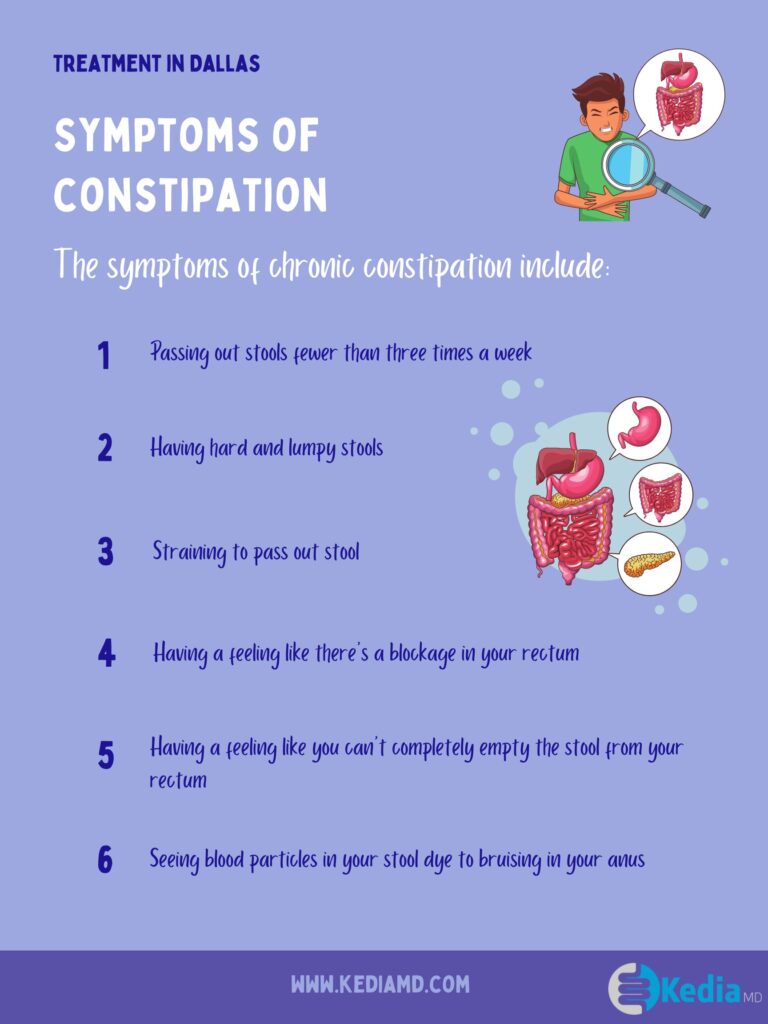
The symptoms of constipation can vary from person to person, but common signs include:
- Infrequent bowel movements
- Hard or lumpy stools
- Straining during bowel movements
- Painful bowel movements
- Feeling bloated or gassy
Natural Remedies for Constipation
Fortunately, there are several natural remedies that can help alleviate constipation. Some effective options include:
- Fiber-rich foods: Increase your intake of fiber-rich foods like fruits, vegetables, and whole grains to promote regular bowel movements.
- Probiotics: Probiotic supplements or probiotic-rich foods like yogurt and kefir can help maintain a healthy gut microbiome.
- Psyllium husk: Psyllium husk is a natural fiber supplement that can help soften stool and promote regular bowel movements.
- Warm baths: Soaking in a warm bath can help relax the muscles and promote bowel movements.
Additional Tips for Preventing Constipation
In addition to trying natural remedies, here are some lifestyle changes you can make to prevent constipation:
- Drink plenty of water: Aim for at least 8-10 glasses of water per day to stay hydrated.
- Incorporate physical activity: Regular exercise can help stimulate bowel movements and improve overall digestive health.
- Avoid foods that trigger constipation: Some foods, like dairy products, gluten, and spicy foods, can exacerbate constipation. Identify which foods affect you the most and avoid them.
- Get enough sleep: Poor sleep quality and duration can disrupt digestion and lead to constipation.
Dietary Changes for Constipation
Incorporating dietary changes into your lifestyle can help alleviate constipation. Some specific recommendations include:
- Increase fiber intake: Aim for 25-30 grams of fiber per day from sources like fruits, vegetables, whole grains, and legumes.
- Eat more protein: Protein can help stimulate bowel movements and improve overall digestive health.
- Incorporate healthy fats: Foods high in omega-3 fatty acids, such as salmon and flaxseeds, can help reduce inflammation and promote regular bowel movements.
Physical Activity for Constipation
Regular physical activity is essential for maintaining good digestive health. Some ways to incorporate physical activity into your lifestyle include:
- Brisk walking: Aim for at least 30 minutes of brisk walking per day.
- Strength training: Incorporating strength training exercises, such as squats and lunges, can help stimulate bowel movements.
- Yoga: Yoga can help relax the muscles and promote regular bowel movements.
Supplements for Constipation
Certain supplements may be beneficial in alleviating constipation. Some options include:
- Psyllium husk: As mentioned earlier, psyllium husk is a natural fiber supplement that can help soften stool and promote regular bowel movements.
- Magnesium: Magnesium can help relax the muscles and promote bowel movements.
- Probiotics: Probiotic supplements or probiotic-rich foods like yogurt and kefir can help maintain a healthy gut microbiome.
Medical Treatment for Constipation
In some cases, medical treatment may be necessary to alleviate constipation. Some options include:
- Fiber-enriched medications: Medications containing fiber, such as metoclopramide, can help soften stool and promote regular bowel movements.
- Stool softeners: Stool softeners, such as docusate, can help make stool softer and easier to pass.
- Laxatives: Laxatives, such as senna or bisacodyl, can help stimulate bowel movements.
Complications of Constipation
If left untreated, constipation can lead to complications like:
- Hemorrhoids
- Rectal prolapse
- Infected bowel tissue
- Colon cancer
Conclusion
Constipation is a common problem that affects millions of people worldwide. By understanding its causes, symptoms, and natural remedies, you can take control of your digestive health and alleviate discomfort. Remember to incorporate fiber-rich foods, probiotics, psyllium husk, and warm baths into your lifestyle to promote regular bowel movements. Don’t hesitate to seek medical attention if symptoms persist or worsen over time.
Frequently Asked Questions
- What is the best way to relieve constipation?
- The best way to relieve constipation is through a combination of dietary changes, physical activity, and natural remedies like fiber-rich foods, probiotics, and psyllium husk.
- Can constipation be cured?
- While constipation can be managed with lifestyle changes and natural remedies, it may not be completely “cured.” However, by addressing underlying causes and incorporating healthy habits, you can significantly improve your digestive health.
- Are there any foods that help prevent constipation?
- Foods high in fiber like fruits, vegetables, whole grains, and legumes can help promote regular bowel movements and prevent constipation.
- Can constipation be caused by a medical condition?
- Yes, constipation can be a symptom of underlying medical conditions like IBS, hypothyroidism, or diabetes. If you experience persistent or severe constipation, consult with your healthcare provider to rule out any underlying health issues.
- How often should I go to the bathroom?
- There is no specific frequency for bowel movements, but most adults aim for 3-4 bowel movements per day. If you experience infrequent or urgent bowel movements, it’s essential to consult with your healthcare provider to rule out any underlying health issues.
Remember, everyone’s digestive system is unique, and what works for one person may not work for another. By incorporating healthy habits and natural remedies into your lifestyle, you can promote regular bowel movements and alleviate discomfort.


