
Constipation is a common issue that affects millions of people worldwide. It can be caused by a variety of factors, including diet, lifestyle, and underlying medical conditions. In this article, we will explore some natural remedies for constipation, as well as provide tips on how to prevent it from happening in the first place.
Understanding Constipation
Constipation is a condition characterized by infrequent or difficult bowel movements. It can lead to discomfort, pain, and even hemorrhoids. While it’s not something to be ashamed of, it’s essential to address it before it becomes a serious health issue.
Natural Remedies for Constipation
Before we dive into the remedies, it’s crucial to understand that everyone is different. What works for one person may not work for another. That being said, here are some natural remedies for constipation that have been shown to be effective:
1. Water: The Ultimate Hydrator
Water is essential for maintaining healthy digestion and bowel function. Aim to drink at least eight glasses of water a day, and more if you’re physically active.
Why Water Matters
Dehydration can lead to constipation. When we don’t drink enough water, our body pulls moisture from the colon to maintain other bodily functions. This can cause the stool to become hard and dry, making it difficult to pass.
2. Tarassaco: A Natural Stimulant
Tarassaco, also known as “soffione” or “dente di leone,” is a natural stimulant that has been used for centuries to treat constipation. The leaves of the tarassaco plant contain anthraquinones, which help stimulate bowel movements.
What to Do
You can consume tarassaco tea by steeping the leaves in hot water and drinking it as a warm beverage.
3. Melassa: A Natural Sweetener
Melassa is a natural sweetener made from sugar cane or sorghum. It contains minerals like iron, calcium, and magnesium, which can help relax the muscles in the digestive tract.
How to Use Melassa
Use melassa as a natural alternative to refined sugars. It has 30-40% fewer calories than table sugar and is rich in minerals that support overall health.
4. Caffè: A Stimulant for the Diggester
Caffeine can be a natural stimulant for the digestive system, helping to relieve constipation. However, it’s essential to consume caffeine in moderation to avoid overstimulation.
How Much Caffè?
Aim to drink two cups of coffee or tea per day. Be mindful of your body’s response and adjust according to your individual needs.
5. Fruita e Verdure: Fiber-Rich Foods
Fiber is essential for maintaining healthy digestion and bowel function. Include fiber-rich foods like fruits, vegetables, whole grains, and legumes in your diet.
What Counts as Fiber-Rich?
Eating a variety of colorful fruits and vegetables can help you meet your daily fiber needs. Some examples include broccoli, pears, berries, and leafy greens like kale and spinach.
6. Più Movimento: Regular Exercise
Regular physical activity can help stimulate bowel movements and improve overall digestive health. Aim for at least 30 minutes of moderate-intensity exercise per day.
Why Movement Matters
Exercise can help stimulate the muscles in your abdomen, improving digestion and reducing constipation symptoms.
7. Lassativi Naturali: Plant-Based Stimulants
Certain plant-based foods like broccoli, pears, and apples contain fiber that can help stimulate bowel movements. Include these foods in your diet to support natural digestive function.
What Foods Are Helpful?
Broccoli, pears, and apples are all high in fiber and can help regulate bowel movements.
8. Alimenti Probiotici e Cibi Funzionali: Supporting Gut Health
A healthy gut microbiome is essential for maintaining optimal digestion and bowel function. Include probiotic-rich foods like yogurt, kefir, and fermented vegetables in your diet to support gut health.
How to Support Gut Health?
Incorporate probiotics into your daily routine by consuming probiotic-rich foods or supplements. You can also try fermented foods like kimchi or sauerkraut.
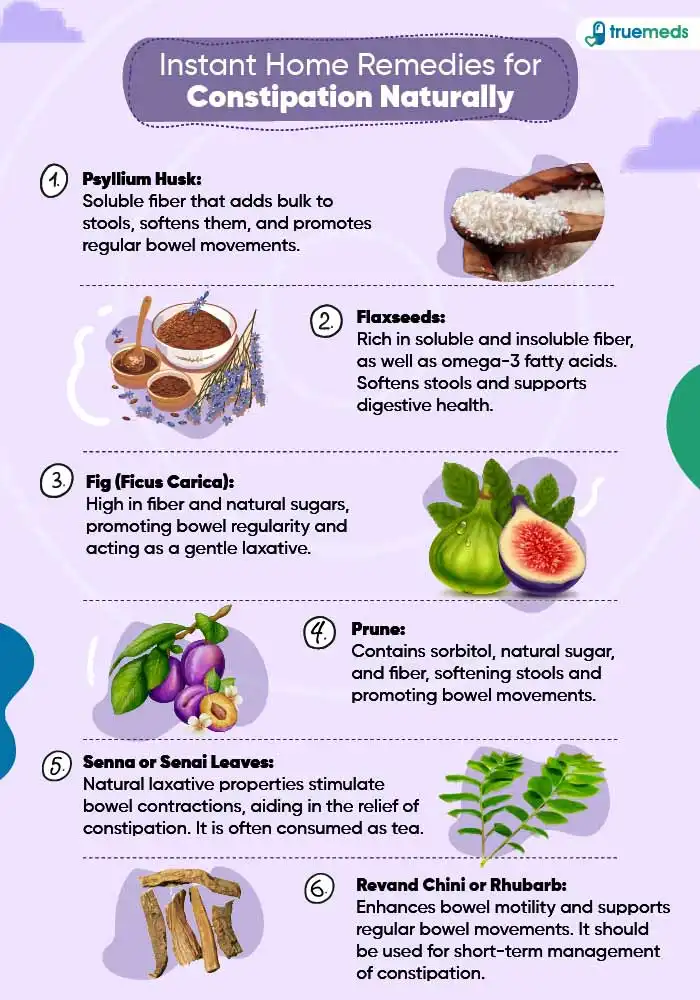
9. Psyllium Husk: A Natural Fiber Supplement
Psyllium husk is a natural fiber supplement that can help stimulate bowel movements and improve overall digestive health. It’s rich in soluble fiber, which can help soften stool and make it easier to pass.
How to Use Psyllium Husk?
Mix 1-2 tablespoons of psyllium husk with water or another liquid to create a gel-like substance. Drink the mixture as directed on the label.
10. Magnesium: A Natural Relaxant
Magnesium is an essential mineral that can help relax the muscles in the digestive tract and improve bowel function. Include magnesium-rich foods like dark leafy greens, nuts, and seeds in your diet to support overall health.
How Much Magnesium Do I Need?
Aim to consume 400-500mg of magnesium per day. You can also try taking a magnesium supplement if recommended by your healthcare provider.
11. Castor Oil: A Natural Stimulant
Castor oil is a natural stimulant that has been used for centuries to treat constipation. It contains ricinoleic acid, which can help stimulate bowel movements and improve overall digestive health.
How to Use Castor Oil?
Mix 1-2 teaspoons of castor oil with water or another liquid to create a tea-like substance. Drink the mixture as directed on the label.
12. Psyllium and Fiber Supplements: A Natural Solution
Certain fiber supplements like psyllium husk can help stimulate bowel movements and improve overall digestive health. Look for products that contain a blend of fiber sources, including psyllium husk, flaxseed, and chia seeds.
How to Use Psyllium and Fiber Supplements?
Follow the instructions on the label when using a fiber supplement. Start with a small dose and gradually increase as needed.
13. Ginger: A Natural Relaxant
Ginger is an essential spice that can help relax the muscles in the digestive tract and improve bowel function. Include ginger-rich foods like ginger tea, ginger ale, or pickled ginger in your diet to support overall health.
How Much Ginger Do I Need?
Aim to consume 1-2 teaspoons of fresh ginger per day. You can also try taking a ginger supplement if recommended by your healthcare provider.
14. Apple Cider Vinegar: A Natural Stimulant
Apple cider vinegar is a natural stimulant that has been used for centuries to treat constipation. It contains acetic acid, which can help stimulate bowel movements and improve overall digestive health.
How to Use Apple Cider Vinegar?
Mix 1-2 tablespoons of apple cider vinegar with water or another liquid to create a tonic-like substance. Drink the mixture as directed on the label.
15. Slippery Elm: A Natural Protective Agent
Slippery elm is an essential herb that can help protect the mucous membranes in the digestive tract and improve bowel function. Include slippery elm-rich foods like slippery elm tea or slippery elm capsules in your diet to support overall health.
How to Use Slippery Elm?
Drink slippery elm tea as directed on the label, or take slippery elm capsules as recommended by your healthcare provider.
Conclusion
Constipation is a common issue that affects millions of people worldwide. While it’s not something to be ashamed of, it’s essential to address it before it becomes a serious health issue. By incorporating natural remedies and lifestyle changes into your daily routine, you can help prevent constipation and maintain optimal digestive health.
Frequently Asked Questions
Q: What is the best way to stay hydrated if I have trouble drinking enough water?
A: Drinking small amounts of water throughout the day can be beneficial. You can also try adding slices of lemon or lime to your water for a refreshing taste.
Q: How much water should I drink per day?
Aim to consume at least eight glasses of water per day, and more if you’re physically active or live in a hot climate.
Q: Can I use castor oil as a natural laxative?
Yes, castor oil can be used as a natural laxative. Mix 1-2 teaspoons of castor oil with water or another liquid to create a tea-like substance, and drink it as directed on the label.
Q: What are some other natural remedies for constipation?
In addition to the remedies listed above, you can also try using prunes, bran muffins, and probiotics to help stimulate bowel movements and improve overall digestive health.
Q: How long will it take to see results from using natural remedies for constipation?
Results may vary depending on individual circumstances. However, incorporating natural remedies into your daily routine may lead to improved bowel function and reduced symptoms of constipation within a few days or weeks.
Q: Can I use natural remedies for constipation if I have underlying health conditions?**
Consult with your healthcare provider before using any natural remedy for constipation, especially if you have underlying health conditions. Some natural remedies may interact with medications or worsen underlying health conditions.
Additional Resources
- The American Gastroenterological Association (AGA) provides information on digestive health and bowel function.
- The National Institute of Diabetes and Digestive and Kidney Diseases (NIDDK) offers resources on constipation and its treatment.
- The Academy of Nutrition and Dietetics provides guidance on incorporating fiber-rich foods into your diet.
References
- National Institutes of Health. (2020). Constipation.
- American Gastroenterological Association. (2020). Constipation.
- Academy of Nutrition and Dietetics. (2020). Fiber and Digestive Health.
By following these natural remedies and lifestyle changes, you can help prevent constipation and maintain optimal digestive health. Remember to consult with your healthcare provider before starting any new supplements or therapies.


