
What is Constipation?
Constipation, also known as stipsi in medical terminology, is defined as a reduced frequency of bowel movements or an insufficient and partial evacuation of the intestines in patients who have a normal number of defecations per week. In simpler terms, it means having fewer than three bowel movements per week.
Symptoms of Constipation
Some of the most common symptoms of constipation include:
- Excessive effort during bowel movements
- Presence of hard or goat-like feces
- Feeling of incomplete evacuation of the intestines
- Reduced frequency of bowel movements (less than three times a week)
- Inadequate bowel movement with normal frequency but incomplete evacuation
- Constipation
It is estimated that approximately 40% of the world’s population has experienced constipation at least once in their lifetime. However, it is essential to note that constipation can be a temporary condition and may be caused by changes in lifestyle, diet, or work schedule.
Is Constipation a Chronic Condition?
In most cases, constipation is a transient and self-limiting condition. However, in rare instances, it can be a symptom of an underlying medical condition, usually related to the intestines or metabolism.
If you experience persistent or recurring constipation, it is recommended that you consult a healthcare professional for proper diagnosis and treatment.
Causes of Constipation
Constipation can be caused by various factors, including:
- Low-fiber diet
- Inadequate hydration
- Physical inactivity
- Certain medications
- Hormonal changes
- Neurological disorders
These causes can lead to the narrowing or hardening of the bowels, making it more difficult for stool to pass through.
Natural Remedies for Constipation
A healthy diet and regular physical activity are the most effective ways to prevent constipation. Here are some natural remedies that can help alleviate symptoms:
Dietary Changes
To promote regular bowel movements, incorporate these foods into your diet:
- Fruits: Figs, kiwis, bananas, mangoes, pineapples, berries
- Vegetables: Spinach, zucchini, broccoli, cauliflower, carrots, leafy greens
- Legumes: Lentils, chickpeas, black beans, kidney beans
- Whole grains: Brown rice, quinoa, whole-wheat bread, whole-grain pasta
Fiber-rich foods are essential for maintaining regular bowel movements. A diet high in fiber can help soften stool and promote digestive health.
Beverages
Drink plenty of water throughout the day to help soften stool and promote regular bowel movements. Aim for at least eight glasses of water daily to maintain proper hydration levels.
In addition to water, consider drinking:
- Herbal teas like chamomile, peppermint, or ginger
- Prune juice
- Flaxseed tea
Herbal teas can help relax the muscles in the intestines and promote bowel movements. Prune juice is high in fiber and can help soften stool. Flaxseed tea contains omega-3 fatty acids that support digestive health.
Lifestyle Changes
In addition to dietary changes, incorporate these lifestyle modifications into your daily routine:
- Engage in regular physical activity, such as brisk walking or yoga
- Practice relaxation techniques, like deep breathing or meditation
- Avoid constipating foods and drinks
Physical activity can help stimulate bowel movements by increasing blood flow to the intestines. Relaxation techniques can help reduce stress levels and promote digestion.
Foods to Avoid
To alleviate constipation, avoid consuming these foods and drinks:
- Processed meats
- Refined sugars
- Dairy products high in lactose
- Caffeinated beverages
- Carbonated drinks
These foods and drinks can be constipating due to their high sugar content, acidity, or other ingredients that can slow down digestion.
Supplements and Natural Laxatives
Consider incorporating these supplements and natural laxatives into your diet:
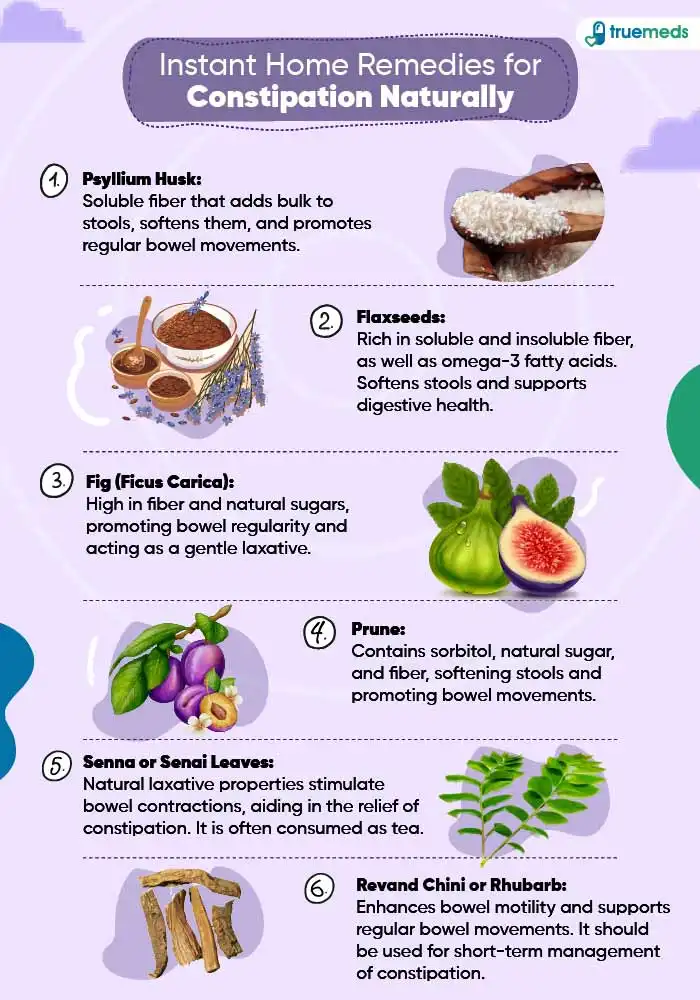
- Psyllium husk: A natural fiber supplement that helps promote bowel movements
- Flaxseeds: High in omega-3 fatty acids and fiber, flaxseeds support digestive health
- Prune juice: A natural laxative that can help soften stool
- Castor oil: A natural laxative that stimulates bowel movements
Supplements and natural laxatives can be effective in promoting regular bowel movements. However, consult with a healthcare professional before adding any new supplements to your diet.
Preparing the Bowels for Regularity
In addition to incorporating dietary changes and lifestyle modifications, consider these tips to prepare the bowels for regularity:
- Take warm baths or showers
- Practice colon hydrotherapy (colon irrigation)
- Use lubricants to help facilitate bowel movements
Preparing the bowels can help make regular bowel movements more comfortable. Warm baths or showers can relax the muscles in the intestines and promote digestion.
Frequently Asked Questions
- What are the best fruits for constipation relief?
Figs, kiwis, and bananas are excellent choices due to their high fiber content. - Can exercise help alleviate constipation?
Yes, regular physical activity can promote bowel movements and improve overall digestive health. - How much water should I drink per day to prevent constipation?
Aim for at least eight glasses of water daily to maintain proper hydration levels. - What are some natural laxatives that can help with constipation?
Prune juice, psyllium husk, and flaxseeds are effective natural laxatives that promote bowel movements. - Can stress cause or exacerbate constipation?
Yes, chronic stress can affect digestion and lead to constipation. Practice relaxation techniques to manage stress levels. - How often should I go to the bathroom if I have constipation?
Aim for at least three bowel movements per week to maintain a healthy digestive system. - Can constipation be caused by a medical condition?
Yes, underlying medical conditions such as irritable bowel syndrome (IBS), inflammatory bowel disease (IBD), or neurological disorders can contribute to constipation. - Are there any natural remedies that can help with severe constipation?
Prune juice, glycerin suppositories, and lubricants may be necessary for more severe cases of constipation.
Conclusion
Constipation is a common condition that affects millions of people worldwide. By incorporating dietary changes, lifestyle modifications, and natural remedies into your daily routine, you can alleviate symptoms and promote regular bowel movements. Remember to consult with a healthcare professional if you experience persistent or recurring constipation.


