
In this article, we’ll explore the concept of smart cities and how mobility plays a crucial role in shaping the future of urban living. We’ll delve into the recent conference held during the Milan Digital Week, where experts discussed the latest trends and innovations in mobility as a service.
What is a Smart City?
A smart city is an urban area that leverages technology to improve the quality of life for its citizens. It’s a city that’s connected, sustainable, and livable. The goal is to create a city that’s responsive to the needs of its inhabitants, with a focus on integration, efficiency, and convenience.
The Role of Mobility in Smart Cities
Mobility represents a critical component of smart cities. By choosing how we move around, we can significantly improve our quality of life. According to experts, we spend an average of 21 years of our lives commuting. This highlights the importance of mobility in shaping our daily experiences.
Challenges and Opportunities in Mobility
The future of mobility is changing rapidly. With technological advancements, costs are decreasing, and new solutions are emerging. The data suggests that we’re on the cusp of a cultural shift in the way we think about transportation. By 2025, it’s estimated that 35% of the global population will use electric vehicles for commuting, and many will likely do so with autonomous vehicles.
The Universal Basic Mobility Concept
The ultimate goal is to create a universal basic mobility (UBM) system, where everyone has access to affordable, convenient, and sustainable transportation options. This concept is gaining traction, as people begin to prioritize mobility over ownership. The UBM aims to provide a “free” service, available on-demand, with minimal barriers to entry.
Breaking Down Barriers through Interdisciplinary Collaboration
To achieve this vision, we need to break down silos between industries and foster collaboration. GaiaGo CEO Giorgio Meszely emphasizes the importance of interdisciplinarity in creating inclusive mobility solutions. By working together, we can unlock new opportunities for sustainable transportation.
GaiaGo’s Vision: Mobility as a Service
GaiaGo proposes an innovative concept called “mobility as a service” (MaaS), which integrates electric vehicles with on-demand insurance services. This approach aims to simplify daily life by providing users with convenient, affordable, and sustainable mobility options.
Key Takeaways
- Smart cities are about creating livable environments that respond to the needs of citizens.
- Mobility plays a critical role in shaping our quality of life and daily experiences.
- We’re on the cusp of a cultural shift in transportation, with electric vehicles and autonomous cars becoming increasingly popular.
FAQs
- What is a smart city?
- A smart city is an urban area that leverages technology to improve the quality of life for its citizens.
- How does mobility fit into the concept of a smart city?
- Mobility represents a critical component of smart cities, as it improves our quality of life and daily experiences.
- What’s driving the shift towards electric vehicles and autonomous cars?
- Technological advancements, decreasing costs, and changing consumer behavior are contributing to this trend.
- What’s the concept of universal basic mobility (UBM)?
- UBM aims to provide affordable, convenient, and sustainable transportation options for everyone, regardless of income or social status.
- How can we break down barriers between industries to achieve inclusive mobility solutions?
- Interdisciplinary collaboration is key to unlocking new opportunities for sustainable transportation.
The Future of Mobility: Trends and Innovations
As we move forward, it’s essential to stay informed about the latest trends and innovations in mobility. Some exciting developments include:
- Electric Vehicles: With increasing environmental concerns, electric vehicles are becoming a more attractive option for many consumers.
- Autonomous Vehicles: Autonomous vehicles have the potential to revolutionize transportation by making it safer, more efficient, and convenient.
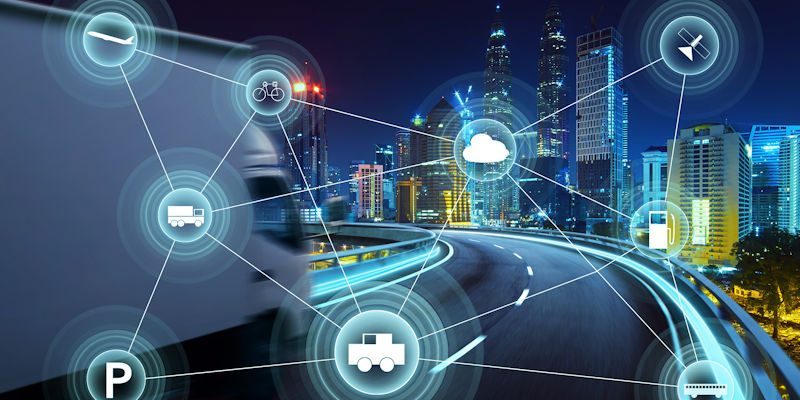
- Mobility-as-a-Service (MaaS): MaaS platforms integrate various modes of transportation, such as public transit, car-sharing services, and bike-sharing systems, into a single platform.
Creating Inclusive Mobility Solutions
To achieve the vision of universal basic mobility, we need to create inclusive mobility solutions that cater to diverse needs and abilities. This includes:
- Accessible Infrastructure: Ensuring that transportation infrastructure is accessible to people with disabilities.
- Affordable Pricing: Developing pricing models that make sustainable transportation options affordable for everyone.
- Education and Awareness: Raising awareness about the benefits of sustainable transportation and educating citizens on how to use these services.
Conclusion
The future of mobility is bright, with technological advancements, decreasing costs, and changing consumer behavior driving a cultural shift in transportation. By working together, we can unlock new opportunities for sustainable transportation and create livable, connected, and sustainable urban environments.


