
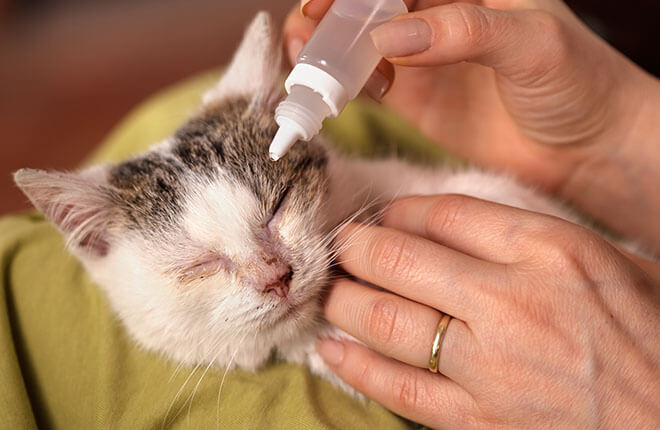
What is Conjunctivitis in Cats?
Conjunctivitis, also known as “pink eye,” is a common and widespread issue that affects cats of all ages and breeds. It’s not limited to specific types or sizes of cats; rather, it can affect any feline, regardless of their background or lifestyle. However, observing its symptoms in your cat will help you recognize if they have conjunctivitis.
What is Conjunctivitis?
Conjunctivitis in cats is an inflammatory process that affects the membrane covering the front of the eye and the inner eyelids. This condition can be caused by various factors such as allergies, viruses, bacteria, or irritants like chemicals or dust. If left untreated, conjunctivitis can lead to more severe issues, including permanent damage.
Symptoms of Conjunctivitis in Cats
Keep an eye out for these common signs:
- Frequent tearing
- Swollen eyelids and redness
- A sticky discharge around the eyes
- Redness and irritation in the eyes
In some cases, cats may also exhibit unusual behaviors such as strabismus (crossed eyes), difficulty seeing, or avoiding bright lights.
Causes of Conjunctivitis in Cats
While conjunctivitis can be caused by a variety of factors, some common culprits include:
- Allergies to dust, pollen, or other environmental irritants
- Exposure to viruses such as herpes simplex or feline calicivirus
- Bacterial infections like Chlamydia
- Irritants from chemicals or cleaning products
Diagnosing Conjunctivitis in Cats
If you suspect your cat has conjunctivitis, it’s essential to consult a veterinarian. Your veterinarian will perform an examination and may recommend diagnostic tests such as:
- Slit-lamp exams
- Culture tests
- Biopsy samples
A diagnosis of conjunctivitis can be made based on the results of these tests.
Treatments for Conjunctivitis in Cats
Depending on the underlying cause, your veterinarian may prescribe a variety of treatments to alleviate symptoms and promote healing. These include:
- Antibiotics or antiviral medications
- Anti-inflammatory medication
- Steroids
- Antibiotic ointment
Your veterinarian will recommend the most appropriate treatment based on your cat’s specific condition.
Preventing Conjunctivitis in Cats
While conjunctivitis can be unpredictable, there are ways to prevent it or reduce its risk:
- Keep your home clean and free of dust and allergens
- Regularly clean your cat’s living space
- Use a humidifier to maintain a healthy moisture level
- Provide regular veterinary check-ups
By following these tips, you can help reduce the risk of conjunctivitis in your feline friend.
Common Complications of Conjunctivitis in Cats
If left untreated or mismanaged, conjunctivitis can lead to more severe complications, such as:
- Corneal ulcers
- Infection of the cornea
- Chronic eye inflammation
- Visual impairment
Regular veterinary check-ups and prompt treatment can help prevent these complications.
When to Seek Veterinary Care for Conjunctivitis in Cats
If you notice any of the following symptoms, seek immediate veterinary care:
- Severe redness or swelling
- Discharge that is thick, yellow, or green
- Increased sensitivity to light
- Difficulty seeing or avoiding bright lights
Prompt treatment can help alleviate symptoms and promote healing.
Conclusion
Conjunctivitis is a common condition in cats that requires attention from a veterinarian. By understanding the causes, symptoms, diagnosis, treatment, and prevention of conjunctivitis, you can help your feline friend recover quickly and maintain good eye health. Regular veterinary check-ups are essential to detect any potential complications early on.
In this article, we have covered everything you need to know about conjunctivitis in cats, from its definition to the common causes, symptoms, diagnosis, treatment options, prevention strategies, and complications associated with it. If you suspect your cat has conjunctivitis or if you’re concerned about their eye health, don’t hesitate to consult a veterinarian for professional guidance.
Additional Tips
- Keep a clean and well-maintained home environment
- Provide regular veterinary check-ups
- Monitor your cat’s behavior and watch for any signs of eye problems
- Consider using protective eyewear when necessary
By following these tips, you can help prevent conjunctivitis in your feline friend and maintain their overall health and well-being.


