
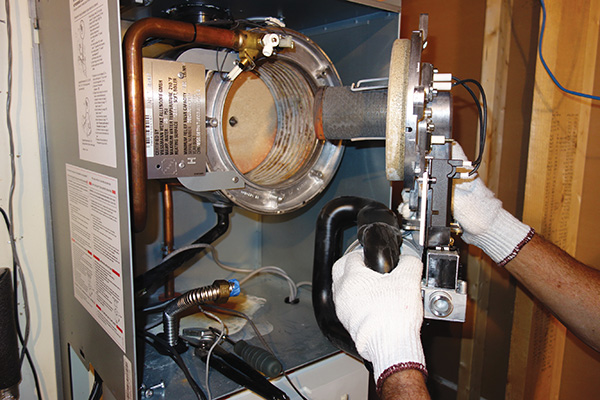
As the popularity of condensing boilers continues to grow, it’s essential to understand the importance of regular maintenance to ensure they continue to provide efficient and environmentally friendly heating. While these boilers have lower emissions and consumption compared to traditional boilers, their performance can deteriorate over time if not properly maintained.
Why Regular Maintenance is Crucial
Regular maintenance is vital for condensing boilers because it helps maintain their efficiency, reduces the risk of breakdowns, and ensures they continue to operate safely. Neglecting maintenance can lead to a range of issues, including:
- Reduced performance: A poorly maintained boiler may not be able to heat your home as efficiently, leading to higher energy bills.
- Increased emissions: If a condensing boiler is not properly maintained, it can emit more pollutants into the environment, contributing to air pollution and climate change.
- Breakdowns: Failure to maintain a condensing boiler can lead to costly repairs or even replacement.
How Often Should You Maintain Your Condensing Boiler?
The frequency of maintenance depends on various factors, including the type of boiler, usage, and manufacturer’s recommendations. As a general rule, it’s recommended to perform routine checks at least once a year. Additionally, every two years, it’s essential to have your boiler’s combustion efficiency analyzed.
What Should You Check During Maintenance?
To ensure your condensing boiler is running efficiently and safely, you should check the following:
- Libretto di istruzioni: Consult the user manual provided by the manufacturer for specific guidance on maintenance procedures.
- Installation records: Verify that the installation was performed by a qualified technician and that all necessary documentation is on hand.
- Operation logs: Review records of previous maintenance, repairs, and any issues that have arisen.
- Performance monitoring: Check your boiler’s performance using tools such as thermocouples or heat exchangers.
Who Should Perform Maintenance?
When it comes to maintaining your condensing boiler, it’s essential to hire a qualified technician who has the necessary expertise and certification. Look for someone with:
- Proven experience: A history of successfully maintaining and repairing condensing boilers.
- Manufacturer certification: Ensure they have been trained by the manufacturer or hold equivalent certifications.
- Insurance coverage: Verify that your technician is insured in case of accidents or property damage.
What to Expect from a Maintenance Contract
A well-structured maintenance contract should include:
- Scheduled inspections: Regular checks to identify potential issues before they become major problems.
- Repairs and replacements: Timely addressing any issues that arise, including replacement parts or labor costs.
- Documentation: Clear records of all work performed, including receipts and warranties.
Benefits of Regular Maintenance
Regular maintenance offers numerous benefits for your condensing boiler, including:
- Reduced energy bills: A well-maintained boiler operates more efficiently, reducing your energy consumption and costs.
- Lower emissions: Regular maintenance helps ensure your boiler is producing minimal pollutants, contributing to a healthier environment.
- Extended lifespan: Proper maintenance can extend the lifespan of your boiler, saving you money in replacement costs.
- Improved safety: Regular checks identify potential hazards before they become major problems, ensuring your home remains safe and secure.
Common Issues with Condensing Boilers
Condensing boilers are prone to certain issues, including:
- Scale buildup: Mineral deposits can form on the heat exchanger, reducing efficiency and increasing maintenance needs.
- Faulty combustion systems: Poorly maintained combustion systems can lead to reduced performance, increased emissions, or even breakdowns.
- Piston or piston rings failure: Failure of these critical components can result in costly repairs or replacement.
Cost-Effective Solutions
To minimize the costs associated with condensing boiler maintenance, consider:
- Regular inspections: Catch potential issues early on before they become major problems.
- Preventative maintenance: Address issues promptly to prevent further damage and extend your boiler’s lifespan.
- Energy-efficient upgrades: Consider upgrading to more energy-efficient components or implementing smart home technologies.
Conclusion
Regular maintenance is critical for ensuring the longevity and efficiency of your condensing boiler. By following these guidelines and hiring a qualified technician, you can:
- Reduce energy bills
- Lower emissions
- Extend the lifespan of your boiler
Don’t neglect the importance of regular maintenance; prioritize it to enjoy the benefits of a reliable, efficient, and environmentally friendly heating system.
Frequently Asked Questions
- How often should I perform routine checks on my condensing boiler?
At least once a year, or as recommended by the manufacturer. - What is the importance of having a qualified technician perform maintenance?
A qualified technician ensures that your boiler is properly maintained and repaired, reducing the risk of breakdowns and ensuring optimal performance. - Can I maintain my condensing boiler myself?
While it’s possible to perform some basic checks, it’s highly recommended to hire a qualified technician for more complex tasks or issues. - What should I include in a maintenance contract?
A comprehensive contract should include scheduled inspections, repairs and replacements, documentation, and clear communication about any work performed. - How can I ensure my condensing boiler is running efficiently?
Regularly check your boiler’s performance using tools such as thermocouples or heat exchangers, and address any issues promptly to prevent major problems. - What are the benefits of regular maintenance for my condensing boiler?
Regular maintenance reduces energy bills, lowers emissions, extends the lifespan of your boiler, and ensures optimal performance. - Can I cancel a maintenance contract if I’m not satisfied with the service?
It’s recommended to carefully review your contract before cancelling, as termination may involve penalties or additional costs. - How can I verify that my technician is properly certified and insured?
Check for manufacturer certification, ask for references, and ensure they hold valid insurance coverage before hiring a technician.
Best Practices for Maintenance Contracts
To get the most out of your maintenance contract, follow these best practices:
- Clearly define services: Ensure your contract outlines all services to be performed, including scheduled inspections, repairs, and replacements.
- Establish communication channels: Regularly review your contract with your technician to ensure clear communication about work performed.
- Set budget expectations: Discuss your budget expectations with your technician to avoid any surprises or additional costs.
- Monitor performance: Keep track of your boiler’s performance using tools such as thermocouples or heat exchangers, and report any issues promptly.


