
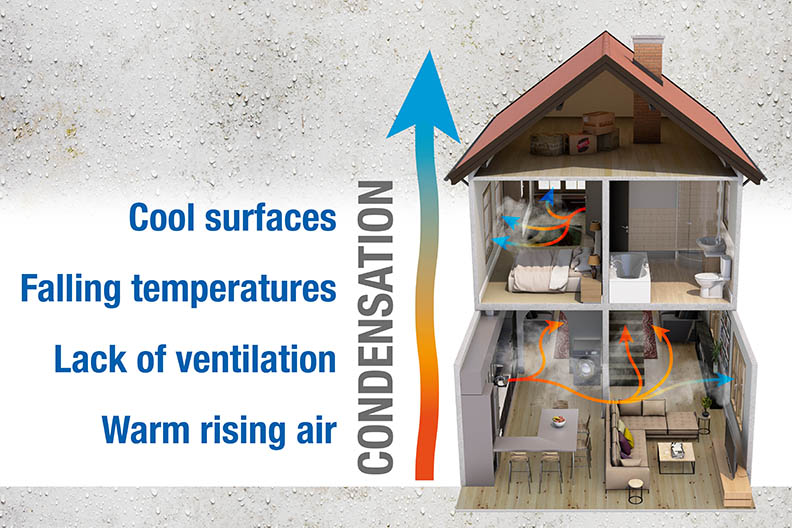
Condensation is a common phenomenon that occurs when water vapor in the air changes state to liquid water. This process can be observed in various parts of our homes, often resulting in unsightly stains or water droplets on surfaces. In this article, we will delve into the causes, consequences, and solutions for condensation at home.
What is Condensation?
Condensation occurs when the air temperature cools down, causing the water molecules to lose energy and transform from a gas to a liquid state. This process can be influenced by various factors, including humidity levels, air circulation, and surface temperatures. In our homes, condensation often forms on surfaces such as windows, mirrors, and walls.
How Does Condensation Form at Home?
There are several factors that contribute to the formation of condensation at home. These include:
- Changes in temperature: Sudden changes in temperature can cause water vapor in the air to condense onto surfaces.
- High humidity levels: When the air is filled with excess moisture, it can lead to condensation on surfaces.
- Poor ventilation: Lack of proper airflow can trap warm, moist air and cause condensation.
- Leaks or gaps in windows and doors: Gaps and cracks in windows and doors can allow cold air to enter and cause condensation.
- Presence of heat sources, such as radiators or heaters: Heat sources can increase the temperature of surfaces, causing condensation.
Causes of Condensation
Condensation can occur due to various reasons, including:
- High humidity levels: When the air is filled with excess moisture, it can lead to condensation on surfaces.
- Respiratory issues: Conditions like asthma or chronic bronchitis can make individuals more susceptible to condensation.
- Cooking activities: Cooking can release steam into the air, leading to condensation.
- Showering or bathing: Taking a shower or bath can create a humid environment that encourages condensation.
- Poor air circulation: Lack of proper airflow can trap warm, moist air and cause condensation.
Consequences of Condensation
If left unchecked, condensation can lead to several problems, including:
- Stains and discoloration on walls: Repeated exposure to water vapor can cause unsightly stains or discoloration on walls.
- Damage to furniture and belongings: Water droplets can seep into crevices and damage furniture or other household items.
- Disintegration of plaster and drywall: Prolonged exposure to moisture can weaken the structure of plaster and drywall, leading to disintegration.
- Growth of mold and mildew: Condensation can provide an ideal environment for mold and mildew growth.
Solutions for Condensation
Fortunately, there are several solutions that can help mitigate condensation at home:
- Improve ventilation: Regularly opening windows or using fans to improve airflow can reduce humidity levels.
- Use a dehumidifier: Dehumidifiers can help remove excess moisture from the air, reducing the likelihood of condensation.
- Seal gaps and cracks: Caulking or weatherstripping around windows and doors can prevent cold air from entering and causing condensation.
- Increase heat sources: Using more powerful heat sources, such as space heaters or radiators, can help warm surfaces and reduce condensation.
- Clean regularly: Regular cleaning of surfaces can help remove water droplets and prevent the growth of mold and mildew.
Preventing Condensation
To minimize the occurrence of condensation at home, consider implementing these preventative measures:
- Maintain a balanced temperature: Keep your home’s temperature between 68°F and 72°F to reduce the likelihood of condensation.
- Use energy-efficient appliances: Energy-efficient appliances can help reduce moisture levels in the air.
- Regularly clean surfaces: Regular cleaning of surfaces can help remove water droplets and prevent mold and mildew growth.
- Improve insulation: Proper insulation can help regulate temperature fluctuations and reduce condensation.
- Monitor humidity levels: Using a hygrometer can help you monitor humidity levels and take corrective action if necessary.
By understanding the causes, consequences, and solutions for condensation at home, you can take steps to prevent its occurrence and maintain a comfortable living environment.


