
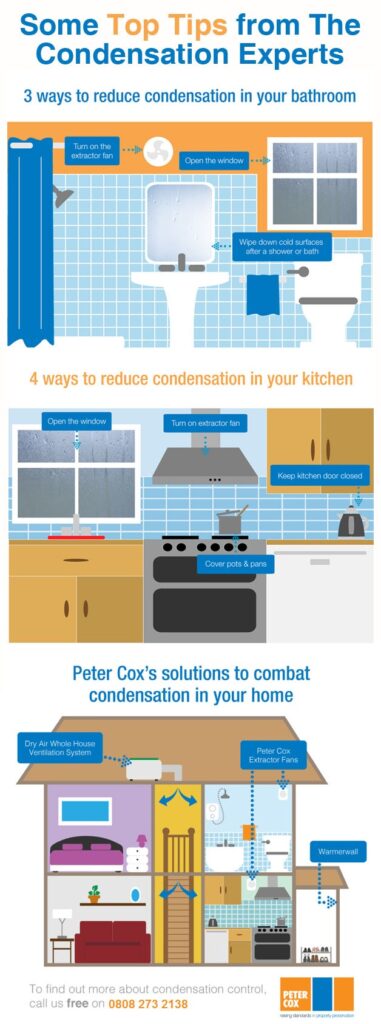
Condensation is a natural phenomenon that occurs when the air in your home becomes saturated with water vapor. As the temperature rises, the air absorbs moisture from its surroundings, increasing its volume. When the temperature drops, the air releases its excess moisture, condensing into droplets of water on surfaces.
In this article, we will delve into the causes of condensation in your home, explore effective remedies, and provide tips for prevention strategies to keep your living space dry and healthy.
What Causes Condensation in Your Home?
There are several factors that contribute to the formation of condensation in your home. Some common causes include:
- Climate conditions: Extreme temperatures, humidity, and weather patterns can lead to condensation.
- Habits and lifestyle: Cooking, showering, and drying clothes indoors can increase moisture levels in your home.
- Home design and construction: Poor ventilation, insulation, and material choices can contribute to condensation.
Condensation on Windows
Windows are a common area where condensation forms. This is due to the temperature difference between the inside and outside of the window. When the air inside the room is warmer than the outside air, it expands and contracts, causing condensation to form on the glass.
To prevent condensation on windows, consider the following:
- Improve ventilation: Open windows or use fans to circulate air and reduce humidity.
- Use a dehumidifier: These devices can help remove excess moisture from the air.
- Apply window treatments: Installing window films or applying a coating can help reduce condensation.
Condensation on Walls
Condensation can also form on walls, particularly in areas with poor insulation or high humidity. This can lead to the growth of mold and mildew, causing unpleasant odors and health issues.
To prevent condensation on walls, consider the following:
- Improve ventilation: Ensure good airflow in your home by using fans, vents, or dehumidifiers.
- Use a vapor barrier: Applying a vapor barrier to your walls can help reduce moisture levels.
- Increase insulation: Proper insulation can help regulate temperature and humidity levels.
Remedies for Condensation
While prevention strategies are essential, there are also effective remedies for condensation:
- Use a dehumidifier: These devices can help remove excess moisture from the air.
- Improve ventilation: Open windows or use fans to circulate air and reduce humidity.
- Increase insulation: Proper insulation can help regulate temperature and humidity levels.
Condensation Prevention Strategies
Preventing condensation requires a combination of good habits, home design, and technology. Consider the following strategies:
- Regularly inspect your home: Check for signs of condensation, such as water droplets or mold growth.
- Maintain good ventilation: Ensure good airflow in your home by using fans, vents, or dehumidifiers.
- Use a vapor barrier: Applying a vapor barrier to your walls can help reduce moisture levels.
Frequently Asked Questions
Q: Can condensation be prevented?
A: Yes, prevention strategies such as improving ventilation, increasing insulation, and using a dehumidifier can help prevent condensation.
Q: How often should I check for condensation?
A: Regularly inspect your home for signs of condensation, such as water droplets or mold growth.
Q: What is the best way to remove condensation from windows?
A: Using a dehumidifier or improving ventilation can help reduce condensation on windows.
Q: Can condensation lead to health issues?
A: Yes, excessive moisture levels can contribute to mold and mildew growth, which can cause unpleasant odors and health issues.
Q: How often should I clean my windows?
A: Regularly cleaning your windows can help prevent condensation from forming.
Common Mistakes that Lead to Condensation
To avoid common mistakes that lead to condensation, consider the following:
- Avoid cooking indoors: Cooking indoors can release moisture into the air.
- Don’t over-dry clothes: Over-drying clothes indoors can increase moisture levels in your home.
- Improve insulation: Proper insulation can help regulate temperature and humidity levels.
Tips for Maintaining a Dry Home
To maintain a dry home, consider the following tips:
- Use a humidistat: These devices measure the humidity level in your home and automatically adjust the heating or cooling system to maintain a healthy humidity level.
- Install a whole-house fan: Whole-house fans can help circulate air and reduce humidity levels.
- Keep your home well-insulated: Proper insulation can help regulate temperature and humidity levels.
Conclusion
Condensation is a natural phenomenon that can occur in any home. By understanding the causes of condensation, using effective remedies, and implementing prevention strategies, you can keep your living space dry and healthy. Regularly inspecting your home for signs of condensation, maintaining good ventilation, and using a vapor barrier can help prevent condensation from forming.


