
Composting in your home is a great way to reduce waste and create a sustainable gardening practice. While it’s often associated with outdoor gardens, composting can also be done indoors, using minimal space on your balcony or patio. In this article, we’ll explore the benefits of home composting, how to set up a system, and provide tips for maintaining a healthy and thriving compost pile.
What is Composting?
Composting is the process of breaking down organic materials like food scraps, leaves, and grass clippings into a nutrient-rich soil amendment. This natural process occurs when microorganisms like bacteria and fungi feed on these materials, producing heat, carbon dioxide, and water vapor. The resulting compost is a dark, crumbly substance that’s teeming with life and can help improve soil structure, fertility, and overall health.
Why Compost at Home?
Composting at home offers several benefits, including:
- Reduced waste: By composting food scraps and other organic materials, you’ll be reducing the amount of waste sent to landfills.
- Soil improvement: Compost can help improve soil structure, fertility, and overall health, resulting in healthier plants and a more sustainable garden.
- Water conservation: Compost can help retain moisture in the soil, reducing the need for frequent watering.
- Cost savings: Compost is a free resource that can save you money on fertilizer and other gardening supplies.
Choosing the Right Composting Method
There are several options for composting at home, including:
- Outdoor compost bins: These are large containers made of metal, plastic, or wood that are designed to hold a significant amount of compost material.
- Indoor composters: These are small, compact units that can be placed on your countertop or balcony. They’re perfect for small spaces and often come with features like odor control and moisture management.
- Vases and containers: You can also use large vases or containers to create a mini-compost pile. Just be sure to choose one with good airflow and drainage.
Setting Up Your Composting System
To get started, you’ll need a few basic supplies, including:
- A compost bin or container
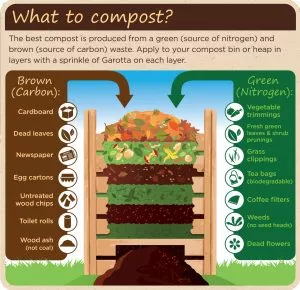
- Brown materials (like dried leaves or shredded newspaper)
- Green materials (like food scraps or grass clippings)
- Water
- Aeration tools (like a pitchfork or compost aerator)
Here’s a simple step-by-step guide to setting up your composting system:
- Choose a location for your compost bin that’s well-ventilated and out of direct sunlight.
- Add a 4-6 inch layer of brown materials to the bottom of your compost bin.
- Add a layer of green materials on top of the brown materials.
- Repeat steps 2-3, alternating between brown and green layers.
- Sprinkle water over the compost pile as needed to keep it moist.
- Use an aeration tool to mix and aerate the compost every week or two.
Maintaining Your Compost Pile
To ensure that your compost pile remains healthy and thriving, be sure to:
- Add materials regularly: Aim for a ratio of 2/3 brown materials to 1/3 green materials.
- Keep it moist: The compost pile should be kept moist, like a damp sponge.
- Mix it up: Regularly aerate the compost pile using an aeration tool or pitchfork.
Tips and Tricks
Here are a few additional tips to help you maintain a healthy and thriving compost pile:
- Add microorganisms: Include materials like worms, snails, or beneficial insects in your compost pile to help speed up the decomposition process.
- Use filters: Consider adding a filter to your compost bin to help control odors and improve airflow.
- Monitor pH levels: Compost piles can become too acidic if they’re not balanced. Monitor pH levels regularly and adjust as needed.
Common Challenges and Solutions
Here are a few common challenges you may encounter when composting at home, along with solutions:
- Odor issues: Use filters or add materials like activated charcoal to absorb odors.
- Pests: Include beneficial insects in your compost pile to help control pests.
- Dryness: Sprinkle water over the compost pile as needed to keep it moist.
Conclusion
Composting at home is a simple and effective way to reduce waste, improve soil health, and create a sustainable gardening practice. By following these tips and tricks, you can set up a thriving composting system that produces nutrient-rich compost for your garden. Remember to stay consistent, monitor pH levels, and control odors to ensure the best results.
Frequently Asked Questions
Here are some frequently asked questions about home composting:
Q: What materials can I compost?
A: You can compost most organic materials, including food scraps, leaves, grass clippings, and paper products. Avoid adding meat, dairy, and oils to your compost pile, as they can attract pests.
Q: How often should I turn my compost pile?
A: Aim to turn your compost pile every week or two to ensure it’s aerating properly and breaking down quickly.
Q: What is the best composting ratio?
A: A general rule of thumb is to add 2/3 brown materials (like dried leaves or shredded newspaper) to 1/3 green materials (like food scraps or grass clippings).
Q: How long does it take for my compost pile to finish?
A: The time it takes for your compost pile to finish depends on factors like temperature, moisture, and carbon-to-nitrogen ratios. Generally, it can take anywhere from a few weeks to several months for the composting process to complete.
Q: Can I compost with worms?
A: Yes! Red wiggler worms are an excellent choice for composting at home. They’re easy to care for and can be added directly to your compost pile to help break down organic materials.
Composting for Beginners
If you’re new to composting, don’t worry – we’ve got you covered. Here are a few tips specifically for beginners:
- Start small: Begin with a small compost bin or container and gradually increase the size as you gain experience.
- Keep it simple: Avoid adding too many different materials at once. Stick to a basic ratio of 2/3 brown materials to 1/3 green materials.
- Be patient: Composting is a slow process, so don’t expect overnight results.
Composting for Special Diets
If you have a special diet or dietary restriction, here are some tips specifically for composting at home:
- Vegetarian or vegan: You can compost all organic materials, including food scraps and paper products.
- Gluten-free: Avoid adding gluten-containing materials like wheat and barley to your compost pile.
- Low-carb: Be mindful of the carbon-to-nitrogen ratio in your compost pile. Aim for a balance between brown and green materials.
Composting and Soil Health
Composting can have a significant impact on soil health, including:
- Improved drainage: Compost can help improve soil structure and drainage.
- Increased fertility: Compost is rich in nutrients that can help fertilize your plants.
- Better water retention: Compost can help retain moisture in the soil, reducing the need for frequent watering.
Tips for Using Compost
Here are a few tips specifically for using compost:
- Mix it into your soil: Blend compost into your soil to improve its structure and fertility.
- Use it as mulch: Sprinkle compost over your plants to provide additional nutrients and water retention.
- Create a nutrient-rich fertilizer: Combine compost with other natural materials like manure or worm castings to create a rich fertilizer for your garden.
Conclusion
Composting at home is a simple and effective way to reduce waste, improve soil health, and create a sustainable gardening practice. By following these tips and tricks, you can set up a thriving composting system that produces nutrient-rich compost for your garden. Remember to stay consistent, monitor pH levels, and control odors to ensure the best results.
Additional Resources
If you’re looking for more information on home composting, here are some additional resources:
- National Composting Association: A comprehensive resource for composting at home, including tips, tricks, and products.
- Compost Council of the United States: A non-profit organization dedicated to promoting composting in the US.
- Local gardening groups: Join local gardening groups or online forums to connect with other gardeners who may be able to offer advice and support.
By following these tips and resources, you can become a successful home composter and create a sustainable gardening practice that benefits your garden, your community, and the environment. Happy composting!


