
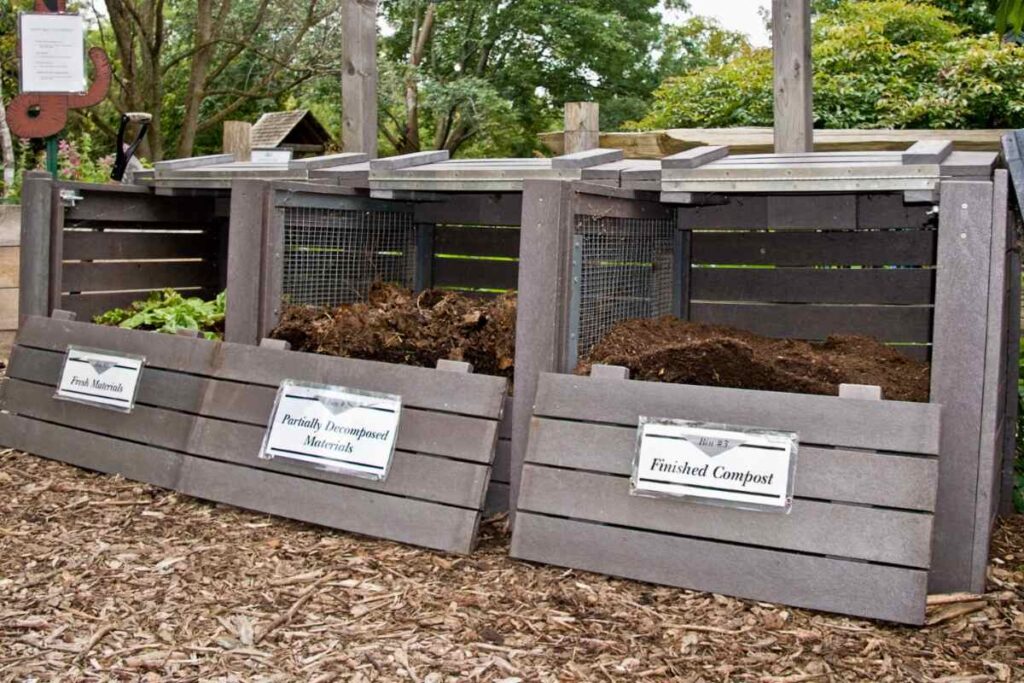
As the world becomes increasingly aware of its impact on the environment, the importance of composting cannot be overstated. With the rise of sustainable living, many individuals and families are turning to composting as a way to reduce their waste, produce nutrient-rich fertilizer for their gardens, and contribute to a healthier ecosystem.
In this article, we will explore the world of composting, from DIY solutions to commercial products. We’ll delve into the benefits of composting, discuss the different types of composters available, and provide tips on how to choose the right one for your needs.
What is Composting?
Composting is a natural process that breaks down organic materials like food waste, leaves, and grass clippings into a nutrient-rich soil amendment. This process involves microorganisms like bacteria and fungi that feed on the organic matter, producing compost.
The composting process can be broken down into several stages:
- Carbon-rich materials: These are the “brown” materials, such as dried leaves, straw, or shredded newspaper, which provide carbon for the decomposition process.
- Nitrogen-rich materials: These are the “green” materials, such as food waste, grass clippings, or manure, which provide nitrogen for the decomposition process.
- Aeration: Oxygen is essential for the composting process, and aeration helps to speed up decomposition.
- Heat generation: As microorganisms break down organic matter, they generate heat, which can be a sign that the composting process is underway.
Benefits of Composting
- Reduces Waste: Composting helps reduce the amount of organic waste sent to landfills, where it produces methane, a potent greenhouse gas.
- Produces Nutrient-Rich Fertilizer: Compost is an excellent natural fertilizer that improves soil structure, fertility, and overall health.
- Conserves Water: Compost helps retain moisture in the soil, reducing the need for irrigation.
- Supports Biodiversity: Compost supports plant growth, which in turn attracts beneficial insects, pollinators, and other wildlife.
DIY Composting vs. Commercial Solutions
There are two main types of composters available: DIY (do-it-yourself) solutions and commercial products.
- DIY Composting: Building a compost bin from scratch using materials like wood, metal, or plastic is a cost-effective and environmentally friendly option.
- Commercial Composters: Commercial composters come in various shapes, sizes, and materials, offering convenience, ease of use, and reliability.
Choosing the Right Composter
When selecting a composter, consider the following factors:
- Capacity: Choose a composter that suits your needs, whether it’s for a small family or large garden.
- Size: Select a composter that fits your available space, including balconies and patios.
- Material: Consider the durability, maintenance requirements, and eco-friendliness of the material.
Types of Composters
Some popular types of composters include:
- Trapezoidal Composters: These have a flat bottom and sloping sides for easy access.
- Cylindrical Composters: These have a cylindrical shape and are ideal for small gardens or balconies.
- Exagonal Composters: These have an eight-sided shape and offer excellent space efficiency.
Top Tips for Choosing the Right Composter
- Consider your budget: DIY composters can be cost-effective, while commercial products may require more investment.
- Assess your available space: Choose a composter that fits your balcony, patio, or garden.
- Think about maintenance: Some composters require regular cleaning and maintenance.
Commercial Composters
Commercial composters come in various shapes, sizes, and materials, offering convenience, ease of use, and reliability. Some popular types of commercial composters include:
- Tumble Composters: These have a rotating drum that helps to speed up decomposition.
- Static Composters: These are stationary bins that require less maintenance than tumble composters.
- Belted Composters: These have a moving belt that helps to aerate the compost pile.
DIY Composting
Building a compost bin from scratch using materials like wood, metal, or plastic is a cost-effective and environmentally friendly option. Some popular DIY composting projects include:
- Worm Composting: This involves creating a worm composter using red wiggler worms to break down organic matter.
- Bokashi Composting: This involves adding microorganisms to organic waste to speed up decomposition.
- Pile Composting: This involves creating a compost pile using a variety of materials and turning it regularly.
Tips for Successful DIY Composting
- Choose the right materials: Select materials that are rich in carbon, such as dried leaves or straw, to balance out nitrogen-rich materials like food waste.
- Add enough water: Ensure that your compost pile is moist, but not too wet, as excess moisture can lead to anaerobic conditions.
- Turn regularly: Turning your compost pile regularly helps to speed up decomposition and prevent pests from taking over.
- Monitor temperature: Compost piles can get hot, with temperatures reaching up to 160°F (71°C). Ensure that the pile is not too hot or cold.
Commercial Solutions
Commercial composters come in various shapes, sizes, and materials, offering convenience, ease of use, and reliability. Some popular commercial products include:
- Worm Castings: These are nutrient-rich compost produced using red wiggler worms.
- Compost Tea: This is a liquid solution made by steeping compost in water to create a nutrient-rich fertilizer.
- Bokashi Compost: This involves adding microorganisms to organic waste to speed up decomposition.
Top Tips for Using Commercial Solutions
- Choose the right product: Select a commercial product that suits your needs, whether it’s for a small garden or large agricultural operation.
- Follow instructions: Ensure that you follow the manufacturer’s instructions for use and maintenance.
- Monitor quality: Regularly check the quality of the compost or product to ensure it meets your standards.
Conclusion
Composting is an essential practice for reducing waste, producing nutrient-rich fertilizer, and supporting biodiversity. Whether you choose to build a DIY composter or select a commercial product, there are numerous benefits to composting. By understanding the different types of composters available and considering your specific needs, you can make an informed decision about which one is right for you.
FAQs
- Q: What is compost?
A: Compost is a natural process that breaks down organic materials into a nutrient-rich soil amendment. - Q: Why is composting important?
A: Composting reduces waste, produces nutrient-rich fertilizer, conserves water, and supports biodiversity. - Q: How often should I turn my compost?
A: Depending on the type of composter and its capacity, you may need to turn your compost every few days or once a week. - Q: Can I compost meat, bones, and dairy products?
A: No, these materials are high in nitrogen and can attract pests. Stick to organic materials like food waste, leaves, and grass clippings. - Q: How long does it take for compost to break down?
A: The decomposition process typically takes 2-6 months, depending on factors like temperature, moisture, and oxygen levels. - Q: Can I compost in the winter?
A: Yes, but you may need to add more materials or cover the composter to protect it from cold temperatures. -
Q: How do I know if my compost is ready?
A: Compost is ready when it’s dark, crumbly, and has an earthy aroma. -
Q: Can I compost in a small space?
A: Yes, there are compact composters available that can fit on balconies or patios. - Q: How often should I add new materials to my composter?
A: Aim to add 2-3 inches of new materials every few days to maintain optimal decomposition. -
Q: Can I compost in the summer?
A: Yes, but you may need to take precautions like adding more water or covering the composter to protect it from heat and pests. -
Q: What are the benefits of vermicomposting?
A: Vermicomposting uses red wiggler worms to break down organic matter, producing a nutrient-rich compost. -
Q: Can I use compost as a natural pest control method?
A: Yes, compost can help repel pests like slugs and snails by attracting beneficial insects. -
Q: How can I use compost in my garden?
A: Compost can be used to improve soil structure, fertility, and overall health, leading to healthier plants and reduced waste. -
Q: Can I compost food scraps?
A: Yes, but make sure to add enough carbon-rich materials like leaves or straw to balance out nitrogen-rich materials. -
Q: How can I create a worm composter?
A: Create a worm composter by adding red wiggler worms, organic matter, and a suitable substrate like peat moss or coconut coir.
By following these tips and guidelines, you can successfully compost and create a nutrient-rich fertilizer for your garden. Happy composting!


