
Understanding the Basics of Composting
Before we dive into what you can put in your compost, it’s essential to understand the basics. A good compost bin is crucial for successful composting, which can be purchased or made DIY. Make sure you have a suitable container for your home garden or balcony, as a well-designed compost bin is key to producing quality compost.
There are several types of compost bins available in the market, including:
- Outdoor compost bins: These are typically made of plastic or metal and can be used in gardens or backyards.
- Indoor compost bins: These are compact and designed for small spaces, often used in urban areas or apartments.
- Worm composting bins: These use red wiggler worms to break down food waste, producing a nutrient-rich compost.
What to Add to Your Compost
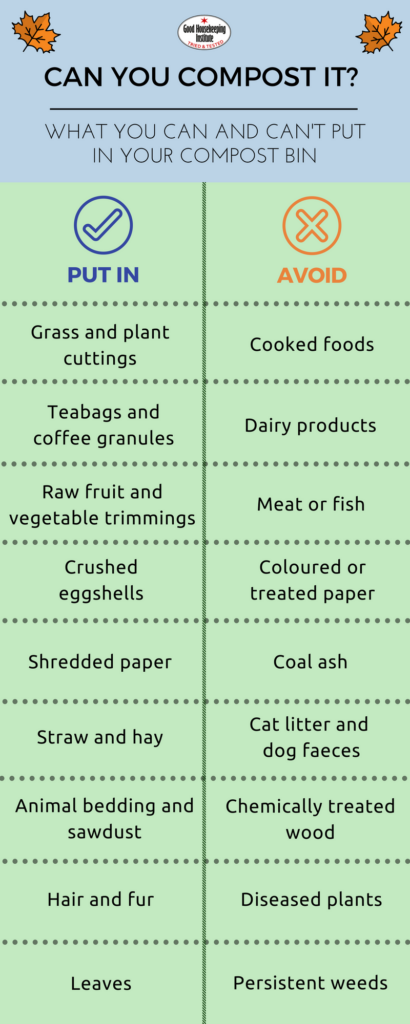
Now that we’ve covered the basics, let’s talk about what you can add to your compost. This includes all organic vegetable waste from your garden and home: grass clippings, dried leaves, pruned plants and shrubs, exhausted soil, sawdust, straw, flower petals, and more. You can also include garden waste like weeds, herbs, and flowers that have been pulled out of the ground. Don’t forget to add food scraps like fruit and vegetable peels, coffee grounds, tea bags, and even paper products like cardboard and newspaper (in small quantities).
Some popular composting practices include:
- Hot composting: This method involves actively managing the compost pile by adding materials regularly and aerating it frequently.
- Cold composting: This method involves simply piling organic waste and letting nature take its course.
What Not to Add to Your Compost
So, what can you put in your compost? The answer is simple: everything organic! However, there are some items that should be avoided. Don’t add meat, fish, or dairy products, as they can attract pests and slow down the decomposition process. Also, avoid adding synthetic detergents and cleaning products, even if they’re natural. Similarly, don’t include items like sponges, toothbrushes, or other non-organic materials that can contaminate your compost.
Some common mistakes to avoid when composting include:
- Adding too many green materials: This can create anaerobic conditions, leading to unpleasant odors and pests.
- Not enough brown materials: This can make the compost pile too dry, slowing down the decomposition process.
The Importance of Balance
A well-balanced compost bin is crucial for healthy decomposition. Too much “green” material (like food scraps and grass clippings) can create anaerobic conditions, leading to unpleasant odors and pests. On the other hand, too much “brown” material (like dried leaves and straw) can be too dry, slowing down the process.
The ideal balance of green and brown materials is typically around 2/3 brown materials and 1/3 green materials.
Using Bio-Activators
Bio-activators are natural substances that can help speed up the decomposition process without compromising the quality of your compost. These include items like:
- Lithotamnion: a type of algae powder
- Rock flour: a fine, powdery substance made from rocks
- Poltiglia bordolese: a type of soil amendment
These bio-activators work by accelerating the breakdown of organic matter and can help transform your compost into high-quality humus in just 7-8 months.
Some popular brands of bio-activators include:
- E.B. Stone Organics: offers a range of natural composting products, including lithotamnion and rock flour.
- Worm Factory: specializes in worm composting systems and offers bio-activator supplements.
Conclusion
Composting is an easy way to reduce waste and create nutrient-rich soil for your garden. By understanding what to add and what not to add, you can create a healthy compost bin that produces top-notch results. Remember to balance your compost with a mix of green and brown materials, and don’t forget to use bio-activators to speed up the process.
With these tips and guidelines, you’ll be well on your way to becoming a composting expert!


