
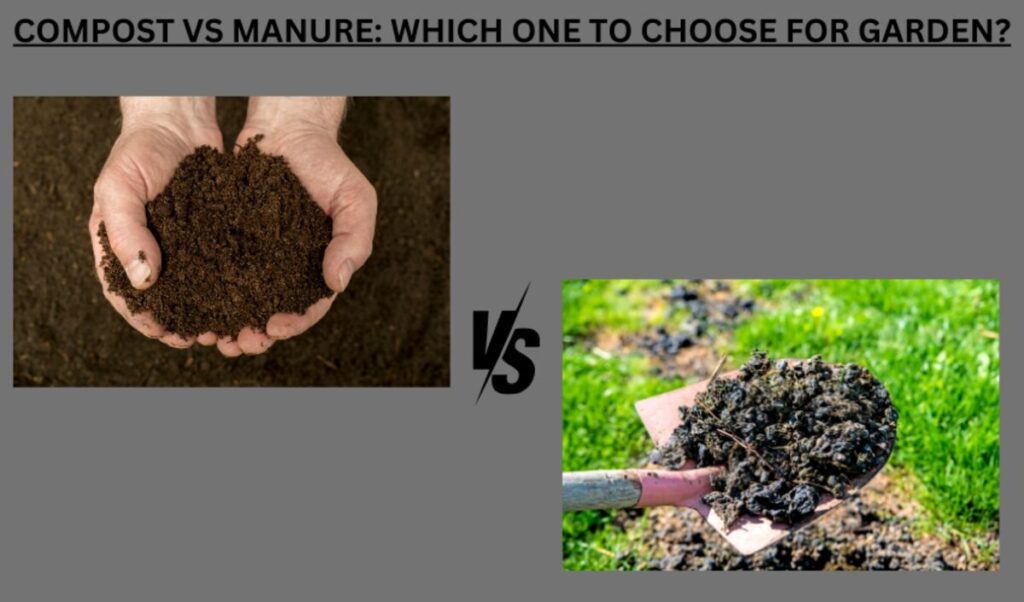
As an organic gardener, selecting the right fertilizer for your soil can be a daunting task. Two popular options are compost and manure, both of which have their own set of benefits and drawbacks. In this article, we’ll delve into the world of compost and manure, exploring their properties, uses, and differences to help you make an informed decision.
Understanding Compost vs. Manure
Compost is a nutrient-rich fertilizer made from decomposed organic matter, such as food scraps, leaves, or grass clippings. It’s a popular choice among gardeners due to its ease of production and versatility. On the other hand, manure is derived from animal waste, typically produced by livestock farming.
Properties of Compost
Compost has several distinct properties that make it an attractive option for gardeners:
- Nutrient-rich: Compost contains a balanced mix of macronutrients (nitrogen, phosphorus, and potassium) and micronutrients (boron, copper, etc.).
- Improves soil structure: Compost helps to improve soil drainage, aeration, and water retention.
- Slows down nutrient release: Unlike manure, compost releases nutrients slowly, reducing the risk of over-fertilization.
Compost also has several additional benefits:
- Soil pH adjustment: Compost can help adjust the soil pH, making it more suitable for a wider range of plants.
- Microbial activity: Compost is teeming with beneficial microorganisms that can help to break down organic matter and improve soil health.
- Increased water-holding capacity: Compost can help to retain moisture in the soil, reducing the need for frequent watering.
Properties of Manure
Manure has its own set of benefits:
- High in micronutrients: Manure is an excellent source of micronutrients like nitrogen, phosphorus, and potassium.
- Improves soil structure: Like compost, manure helps to improve soil drainage and aeration.
- Durable effects: Manure’s effects on the soil can last for several years.
Manure also has several additional benefits:
- High in organic matter: Manure is rich in organic matter, which can help to improve soil structure and fertility.
- Soil warming: Manure can help to warm the soil, extending the growing season and improving plant growth.
- Insect and pest control: Some types of manure, such as chicken or cow manure, have been shown to have insecticidal properties.
Choosing Between Compost and Manure
When deciding between compost and manure, consider the following factors:
- Ease of production: Compost is relatively easy to produce at home, while manure requires a significant investment in livestock farming.
- Availability: Manure may be harder to obtain than compost, especially if you live in an urban area.
- Environmental impact: Both compost and manure have environmental benefits, but compost’s slower nutrient release reduces the risk of over-fertilization.
Using Compost and Manure
To make the most of these fertilizers:
- Mix with soil: Blend compost or manure into your soil to create a balanced fertilizer.
- Use in moderation: Avoid overusing either compost or manure, as this can lead to nutrient imbalances.
Tips for Using Compost and Manure
Here are some additional tips to keep in mind when using compost and manure:
- Compost-to-soil ratio: Aim for a mix of 10% compost and 90% soil.
- Manure application rate: Follow the recommended application rate for your specific type of manure (usually around 1-2% of the total soil volume).
- Mixing with other fertilizers: Combine compost or manure with other fertilizers, such as fish bone meal or blood meal, to create a balanced fertilizer blend.
- Soil testing: Regularly test your soil to determine its nutrient levels and pH, making adjustments as needed.
Frequently Asked Questions
- What is the best time to apply compost or manure?
- Compost can be applied throughout the growing season, while manure is typically applied in early spring or fall.
- Can I mix compost and manure together?
- Yes, mixing both fertilizers can create a highly effective blend, but use them in moderation to avoid over-fertilization.
- How do I store compost or manure?
- Compost should be stored in an airtight container, while manure should be kept dry and well-ventilated to prevent spoilage.
- Can I use compost or manure on all types of plants?
- Both compost and manure are beneficial for most plant species, but some plants (like succulents) may require more precise nutrient levels.
- How often should I apply compost or manure?
- Apply compost or manure according to your specific soil needs, typically 1-2 times per growing season.
- Can I use compost or manure on container gardens?
- Yes, both compost and manure can be used in container gardens, but be sure to mix them into the potting mix to avoid over-fertilization.
By answering these frequently asked questions, you’ll gain a deeper understanding of how to effectively integrate compost and manure into your gardening routine.


