
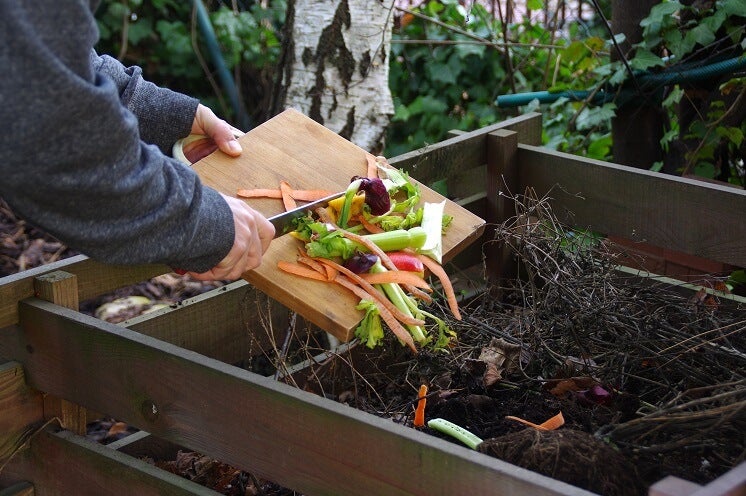
As we navigate the complexities of modern life, it’s increasingly clear that our daily choices have a profound impact on the health of our planet. One simple yet effective way to reduce waste and live more sustainably is through home composting. In this article, we’ll delve into the world of composting, exploring its benefits, best practices, and how to create a thriving compost pile.
What is Composting?
Composting is the natural process of breaking down organic materials into a nutrient-rich soil amendment that can be used to fertilize plants. This process occurs when microorganisms such as bacteria and fungi feed on the organic matter, converting it into humus – a valuable resource for plant growth. By composting at home, you’ll not only reduce your waste output but also create a sustainable source of fertilizer for your garden.
Benefits of Home Composting
So, why should you bother with home composting? Here are just a few compelling reasons:
- Reduce Waste: Composting helps to divert organic waste from landfills, where it can produce methane – a potent greenhouse gas.
- Save Money: By creating your own compost, you’ll reduce your reliance on chemical fertilizers and avoid the costs associated with purchasing them.
- Improve Soil Health: Compost adds essential nutrients and microorganisms to soil, promoting healthy plant growth and reducing the need for synthetic fertilizers.
What Can Be Composted?
Not all organic materials can be composted. Here are some items that are safe to include in your compost pile:
- Food Scraps: Fruit and vegetable peels, cores, and rinds
- Yard Trimings: Leaves, grass clippings, and small branches
- Paper Products: Newspaper, cardboard, and paper towels (without plastic coatings)
- Coffee Grounds and Tea Bags
- Eggshells
- Manure from Herbivores
On the other hand, avoid adding these items to your compost pile:
- Plastics: Plastic bags, containers, and utensils
- Meat, Bones, and Dairy: These can attract pests and create unpleasant odors
- Pet Waste: This can contain pathogens that can harm humans and plants
- Weeds with Seeds: These can spread invasive species in your garden
The Importance of Oxygen and Temperature
For composting to be successful, two essential conditions must be met: oxygen and temperature. Here’s why:
- Oxygen: Microorganisms need oxygen to break down organic matter. Make sure your compost pile is well-aerated by regularly turning it.
- Temperature: The ideal temperature for composting ranges from 5°C to 70°C (40°F to 158°F). This allows microorganisms to thrive and break down the material efficiently.
Choosing the Right Composter
If you’re new to composting, investing in a good-quality composter can make all the difference. Look for one with adequate space and ventilation to ensure optimal decomposition.
In addition to choosing the right equipment, consider the following tips when setting up your compost pile:
- Location: Choose a spot that’s well-ventilated, accessible, and out of direct sunlight.
- Size: Start small and expand as needed. A 3×3 foot pile is a good size for beginners.
- Bedding: Use a mix of “brown” materials (dried leaves, straw) and “green” materials (food scraps, grass clippings).
Maintaining Your Compost Pile
To ensure your compost pile remains healthy and productive, follow these maintenance tips:
- Regular Turning: Turn your compost every 7-10 days during the active season.
- Moisture: Keep the pile moist, like a damp sponge. Avoid overwatering, which can lead to anaerobic conditions.
- pH Balance: Monitor pH levels and adjust as needed. Aim for a slightly acidic environment (pH 6.0-7.0).
Tips for Troubleshooting Common Issues
- Odors: If your compost pile is producing unpleasant odors, check for moisture imbalances or overfeeding.
- Pests: If you’re experiencing pest issues, ensure adequate ventilation and consider adding diatomaceous earth to control insects.
- Slow Decomposition: If decomposition is slow, try adding more green materials or increasing turning frequency.
The Benefits of Using Compost in Your Garden
Once your compost pile is thriving, it’s time to use the benefits in your garden. Here are just a few ways to incorporate compost into your gardening routine:
- Soil Amendments: Mix compost into soil to improve its structure and fertility.
- Compost Tea: Use compost tea as a fertilizer by steeping it in water.
- Mulch: Add compost as a natural mulch to retain moisture and suppress weeds.
Conclusion
Home composting is a simple yet powerful way to reduce waste, create nutrient-rich soil for your garden, and live more sustainably. By understanding what can be composted, how to maintain the right conditions, and choosing the right equipment, you’ll be well on your way to becoming a successful home composter.
In conclusion, home composting is an excellent way to make a positive impact on the planet while also creating a sustainable source of fertilizer for your garden. With regular maintenance, patience, and practice, you can enjoy the many benefits that come with this simple yet powerful practice.
Additional Resources
- National Composting Association: Visit their website for more information on composting and resources for starting your own compost pile.
- Local Composting Groups: Join local composting groups or attend workshops to learn from experienced home composters.
- Online Forums: Participate in online forums and discussion groups to share tips, ask questions, and connect with other compost enthusiasts.


