
Are you dining at a restaurant and wondering what all those seafood options on the menu mean? You’re not alone! The term “frutti di mare” can be confusing, especially when it’s paired with prices that seem astronomical. In reality, this term is more of a culinary phenomenon than a scientific classification.
Defining Frutti di Mare
The term “frutti di mare” doesn’t have any scientific basis. Instead, it refers to a variety of seafood items collected using different techniques than traditional fishing or harvesting methods. These items are often sessile or semi-sessile organisms that remain attached to their substrate in marine environments.
A Historical Background
The concept of frutti di mare dates back to the Mediterranean Sea, where fishermen would collect seafood from the seafloor and sell it to restaurants and markets. This practice has been around for centuries, with the term “frutti di mare” emerging as a way to describe these unique seafood items.
Mollusks and Other Seafood Items
Most frutti di mare are mollusks, which can be classified into two main groups: those with shells (bivalvia) and those without shells (gastropoda). While many of these mollusks are commonly consumed as seafood, some species may not be as widely available or may require specialized handling.
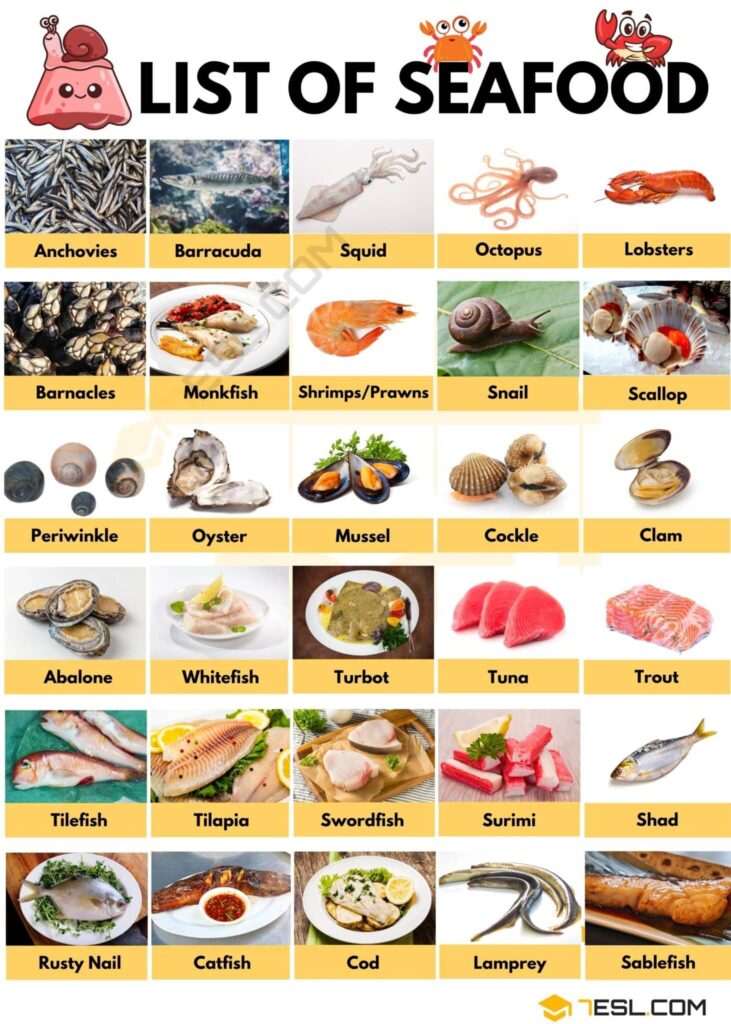
- Bivalves: These mollusks have a shell that is divided into two parts: the hinge plate and the two valves. Bivalves include clams, mussels, oysters, and scallops.
- Gastropods: This group includes snails, slugs, abalone, and limpets.
Echinoderms and Crustaceans
Some frutti di mare also include echinoderms like sea urchins and starfish, as well as crustaceans like crabs and lobsters. However, these items should not be confused with true seafood options, which typically come from marine animals that can be caught or harvested.
- Echinoderms: These marine animals have a unique body plan characterized by a central disc and five arms radiating from it.
- Crustaceans: This group includes crabs, lobsters, shrimp, and crayfish.
The Elusive Frutti di Mare Menu
So what exactly constitutes a frutti di mare menu? These dishes often feature a variety of seafood items that are not necessarily related by taxonomy. To simplify the process, we’ll focus on the more common mollusks and crustaceans found in these menus.
Here’s an overview of some popular frutti di mare options:
- Vongole: These are essentially large clams, specifically a type of bivalve mollusk.
- Ostriche: While they’re often referred to as seafood, ostriches are actually birds and not fish or crustaceans. They’re sometimes used in Italian cuisine for their flavor profile.
- Cannolicchi: These are a type of bivalve mollusk, similar to clams but with a more rounded shape.
- Capesante: Another type of bivalve mollusk, often harvested for its tender flesh.
The Science Behind Seafood Pricing
When it comes to pricing seafood, several factors come into play. These include:
- The species and quality of the fish
- The location and availability of the seafood
- The time of year and weather conditions
Some frutti di mare items can be quite expensive due to their rarity or difficulty in harvesting.
Percebes: The Most Expensive Frutti di Mare
In Italy, percebes can cost up to 180 euros per kilogram for larger specimens. In contrast, the same seafood item may sell for around 30 euros per kilogram in its country of origin.
Other Costly Seafood Options
Ostriches and limoni di mare are also among the pricier frutti di mare options, with prices varying depending on their quality, size, and availability.
Conclusion
The world of seafood can be overwhelming, especially when faced with unfamiliar terms like “frutti di mare.” However, by understanding the different types of seafood that fall under this category, you’ll be better equipped to navigate menus and make informed choices about your next dining experience.


