
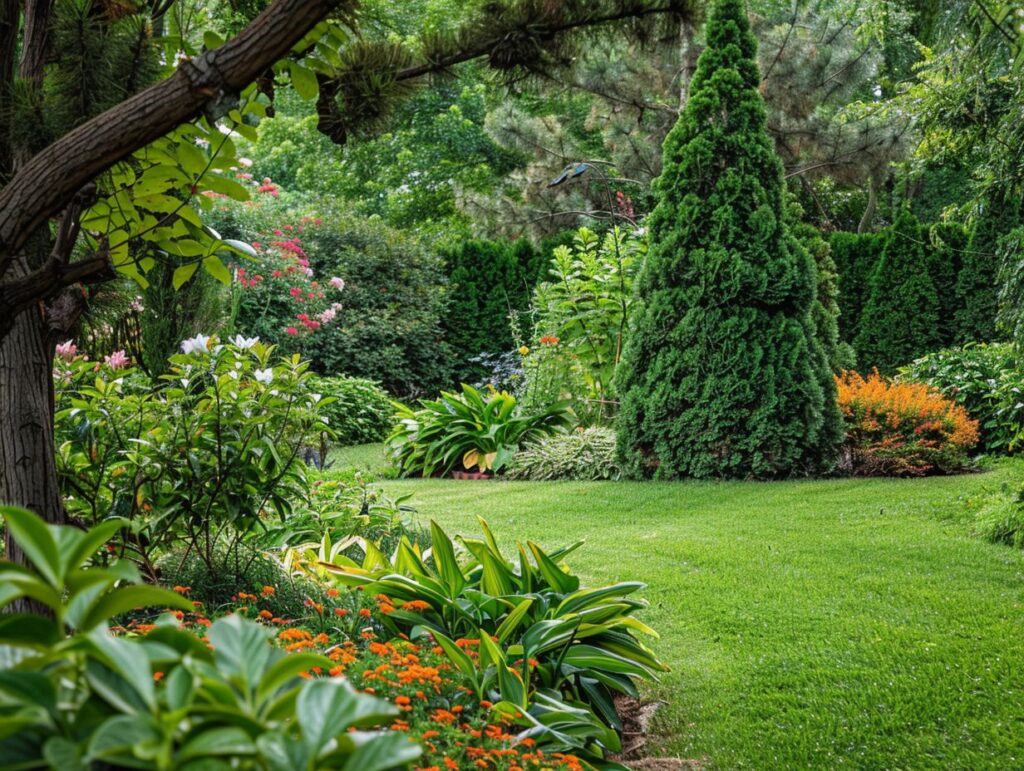
A garden is a reflection of one’s personality, taste, and sensitivity towards the environment. Trees in the garden not only serve as ornamental elements but also play a crucial role in maintaining ecological balance by absorbing carbon dioxide, releasing oxygen, and providing shelter for various species of birds and small animals.
However, selecting the right tree for your garden can be a daunting task. What factors should you consider when choosing an ideal tree? How do you plant it correctly and ensure its proper care? In this article, we will address these questions and provide valuable insights on how to create a thriving garden with healthy and beautiful trees.
Tree Selection
Selecting the right tree for your garden is crucial. Several factors must be considered, including climate, soil quality, space requirements, growth rate, and aesthetic appeal. If you reside in a cold climate, you should choose robust trees that can withstand low temperatures without sustaining damage. Conversely, warm climates require trees capable of tolerating intense sunlight and heat.
The size of the tree is another factor to consider. Large trees need ample space for growth, while smaller trees can thrive in more compact gardens. Growth rates vary significantly among tree species, with some growing rapidly and others taking longer to mature.
Common Trees
Among various tree species, some are particularly popular due to their beauty, durability, and benefits. For example, apple trees are a favorite choice for their stunning flowers and edible fruits. They add an attractive touch to gardens and provide a delicious harvest.
Cherry blossom trees are another popular option, with their vibrant flowers blooming in spring and adding a pop of color to the garden.
Benefits of Trees
Trees offer numerous benefits beyond their aesthetic appeal. Some of these benefits include:
- Carbon Sequestration: Trees absorb carbon dioxide from the atmosphere, which helps reduce greenhouse gas emissions and mitigate climate change.
- Oxygen Production: Through photosynthesis, trees produce oxygen, essential for human life.
- Soil Erosion Prevention: Tree roots help hold soil in place, preventing erosion and landslides.
- Wildlife Habitat: Trees provide shelter, food, and breeding grounds for various species of birds, insects, and mammals.
Finding the Right Tree for Your Garden
Choosing the ideal tree for your garden requires careful consideration of several factors. Here are some tips to help you make an informed decision:
- Consider your climate: Select trees that are suitable for your local climate and can thrive in it.
- Assess your soil quality: Choose trees that can tolerate the conditions of your soil, whether it’s acidic, alkaline, or neutral.
- Evaluate space requirements: Consider how much space you have available for the tree to grow and whether it will fit comfortably in your garden.
Planting a Tree
Planting a tree requires careful planning and execution. Here are some key steps to follow:
- Select a suitable location: Choose a spot with adequate sunlight, air circulation, and protection from strong winds.
- Prepare the soil: Test the pH level of your soil and amend it if necessary. Add organic matter like compost or manure to improve its fertility and structure.
- Dig a hole: Dig a hole that’s twice as wide and just as deep as the tree’s root ball.
- Plant the tree: Gently remove the tree from its container and place it in the hole. Fill the hole with soil, tamping it down firmly as you go to prevent air pockets.
Caring for Your Tree
Proper care is essential for ensuring your tree grows strong and healthy. Here are some tips:
- Water regularly: Water your tree deeply once or twice a week, depending on weather conditions.
- Fertilize annually: Apply a balanced fertilizer in early spring to promote growth and development.
- Prune seasonally: Prune your tree during its dormant season to maintain its shape and promote healthy growth.
Tree Maintenance
Regular maintenance is crucial for ensuring the health and longevity of your tree. Here are some tasks to consider:
- Inspect your tree regularly: Regular inspections can help identify potential problems before they become major issues.
- Trim branches: Trim branches that are dead, damaged, or growing into neighboring plants or structures.
- Remove debris: Remove any debris or debris from the tree’s roots or trunk to prevent damage and disease.
Common Pests and Diseases
Trees can be susceptible to various pests and diseases, which can impact their health and appearance. Some common issues include:
- Insects: Aphids, whiteflies, and spider mites are some of the most common insect pests that affect trees.
- Fungal diseases: Fungal diseases like root rot, leaf spot, and powdery mildew can damage tree health.
- Bacterial diseases: Bacterial diseases like fire blight and bacterial leaf scorch can also impact tree health.
Prevention and Control
Preventing pests and diseases is often more effective than treating them after they occur. Here are some strategies:
- Use integrated pest management techniques: Combine multiple methods, such as pruning, sanitation, and biological control, to manage pests and diseases.
- Apply fungicides and bactericides judiciously: Use fungicides and bactericides only when necessary, following the manufacturer’s instructions for safe application.
FAQs
- Q: How often should I water my tree?
A: Water your tree deeply once or twice a week, depending on weather conditions. - Q: What type of fertilizer is best for trees?
A: Use a balanced fertilizer in early spring to promote growth and development. - Q: When should I prune my tree?
A: Prune your tree during its dormant season to maintain its shape and promote healthy growth. - Q: How often should I fertilize my tree?
A: Apply a balanced fertilizer annually in early spring to promote growth and development. - Q: Can I plant multiple trees together?
A: While it’s possible to plant multiple trees together, consider their mature size and growth habits before planting them close together. - Q: How can I protect my tree from pests and diseases?
A: Use integrated pest management techniques like pruning, sanitation, and biological control methods to protect your tree. - Q: Can I plant a tree in a container?
A: Yes, you can plant a tree in a container, but make sure it’s large enough for the tree’s root system and has good drainage holes. - Q: How long does it take for a tree to grow?
A: The growth rate of trees varies depending on factors like climate, soil quality, and care. With proper care, some trees can grow up to 3 feet per year.
By following these tips and considering the unique needs of each species, you can create a thriving garden with healthy and beautiful trees that bring joy and beauty to your outdoor space.


