
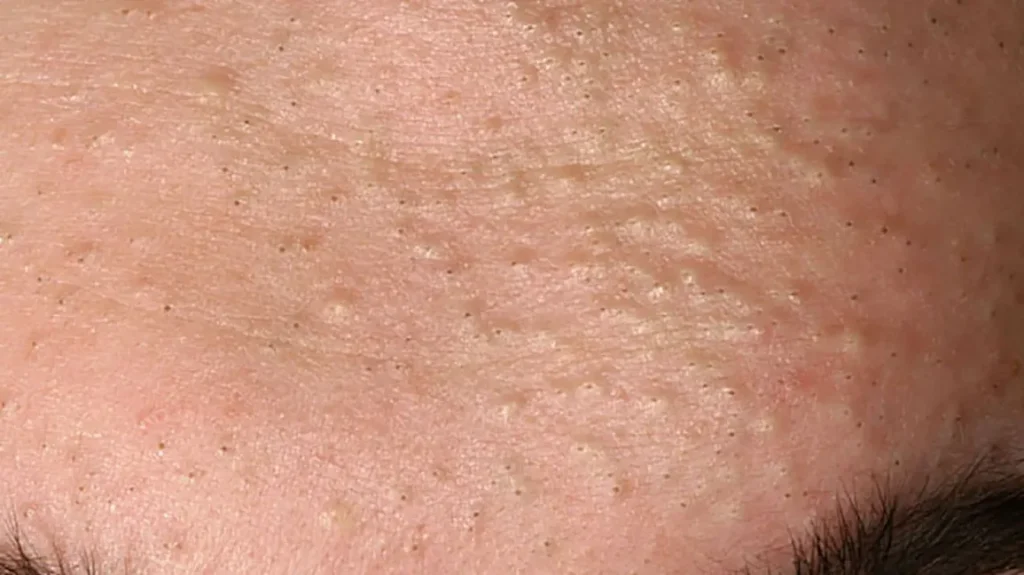
As we navigate the world of skincare, it’s not uncommon to come across those pesky, blackheads that can be frustrating and unsightly. But have you ever wondered what they’re really called, and why they form in the first place?
In this article, we’ll delve into the world of comedones, exploring their causes, symptoms, and treatment options. By understanding what comedones are and how they form, you’ll be better equipped to prevent them from occurring and treat them effectively.
What are Comedones?
Comedones, also known as open comedones, are actually just a fancy term for blackheads. They occur when pores on the skin become clogged with dead skin cells, oil, and bacteria. This can lead to inflammation, scarring, and even infection.
When do Comedones Form?
Comedones tend to form during puberty, as hormonal changes stimulate the sebaceous glands to produce more oil. This excess oil can cause pores to become clogged, leading to blackheads. But it’s not just teenagers who experience comedones – they can also occur in people over 30.
Why do Comedones Form?
The formation of comedones is a complex process, but essentially, it involves the accumulation of sebum, keratin (a type of protein), and bacteria within the pores. When this mixture becomes too large for the pore to handle, it can cause the pore to dilate and eventually open up, forming a blackhead.
Other Causes of Comedones
While hormonal changes are a common culprit, other factors can also contribute to comedone formation. These include:
- Poor skin care habits (not washing the face regularly enough)
- Using harsh products that strip the skin of its natural oils
- Certain medications or medical conditions (such as seborrheic dermatitis)
Preventing Comedones
So, how can you prevent these pesky blackheads from forming in the first place? Here are some tips:
- Wash your face regularly with a gentle cleanser: Using a mild cleanser that’s suitable for your skin type will help keep pores clear and reduce the risk of comedone formation.
- Use non-comedogenic products: Look for products labeled as “non-comedogenic” or “oil-free,” which are designed to not clog pores.
- Avoid picking or squeezing comedones: This can lead to scarring, infection, and prolonged healing times.
- Exfoliate regularly: Exfoliating helps remove dead skin cells, unclog pores, and improve skin texture.
- Stay hydrated: Drinking plenty of water will help flush out toxins and keep your skin healthy.
Treating Comedones
If you do find yourself dealing with blackheads, there are several treatment options available. Here are a few:
- Using a comedone extractor: A device specifically designed to gently remove blackheads can be an effective treatment option.
- Applying topical treatments: Salicylic acid and benzoyl peroxide creams can help dry out comedones and prevent further inflammation.
- Trying out natural remedies: Tea tree oil, clay masks, and aloe vera are just a few examples of natural remedies that may help combat blackheads.
Natural Remedies for Comedones
There are several natural remedies that can help combat blackheads. Some of the most effective include:
- Tea tree oil: With its antibacterial properties, tea tree oil can help reduce inflammation and prevent infection.
- Clay masks: These masks can help draw out impurities and reduce inflammation in the skin.
- Aloe vera: Aloe vera has anti-inflammatory properties that may help soothe and calm the skin.
Remember, when it comes to treating comedones, it’s always best to consult with a dermatologist or skincare professional for personalized advice.
Frequently Asked Questions
Here are some common questions people have about comedones:
Q: Can I prevent blackheads by using a different type of cleanser?
A: Yes, using a gentle, non-comedogenic cleanser can help reduce the occurrence of blackheads.
Q: How often should I wash my face to prevent blackheads?
A: Washing your face at least once a day is recommended to keep pores clear and prevent clogging.
Q: Can comedones cause scarring or infection?
A: Yes, if left untreated, comedones can lead to scarring, inflammation, and even infection.
Q: Are there any other natural remedies that can help with blackheads?
A: Yes, other natural remedies like green tea and chamomile have anti-inflammatory properties that may help soothe and calm the skin.
Q: Can I use makeup to cover up comedones?
A: While it’s possible to cover up blackheads with makeup, this is not a recommended solution for preventing their formation in the future.
Q: Are there any specific products or ingredients that can help prevent blackheads?
A: Yes, using non-comedogenic products and avoiding harsh ingredients like sulfates and parabens can help reduce the occurrence of blackheads.
Q: Can comedones be treated with over-the-counter (OTC) medications?
A: Yes, OTC creams containing salicylic acid or benzoyl peroxide can be effective in treating mild cases of blackheads.
Skincare Routine for Comedone-Prone Skin
If you’re prone to comedones, it’s essential to establish a consistent skincare routine that addresses your specific skin concerns. Here are some tips:
- Double-cleanse: Start with a gentle oil-based cleanser followed by a water-based cleanser to effectively remove dirt and impurities.
- Exfoliate regularly: Use a chemical exfoliant containing alpha-hydroxy acids (AHAs) or beta-hydroxy acids (BHAs) 1-3 times a week to help remove dead skin cells and unclog pores.
- Apply a toner: Toners can help balance the skin’s pH, reduce inflammation, and prepare your skin for further products.
- Use a spot treatment: Apply a spot treatment containing salicylic acid or benzoyl peroxide directly to affected areas to help dry out comedones.
- Moisturize: Use a lightweight moisturizer that won’t clog pores and will help hydrate the skin.
Additional Tips
Here are some additional tips to keep in mind when dealing with comedones:
- Be patient: Treating comedones can take time, so be patient and consistent with your skincare routine.
- Use gentle products: Avoid using harsh or abrasive products that can irritate the skin and cause inflammation.
- Stay hydrated: Drinking plenty of water will help flush out toxins and keep your skin healthy.
By understanding what comedones are, how they form, and how to prevent them, you’ll be better equipped to take care of your skin and reduce the occurrence of blackheads. Remember to consult with a dermatologist or skincare professional for personalized advice on treating comedones.



