
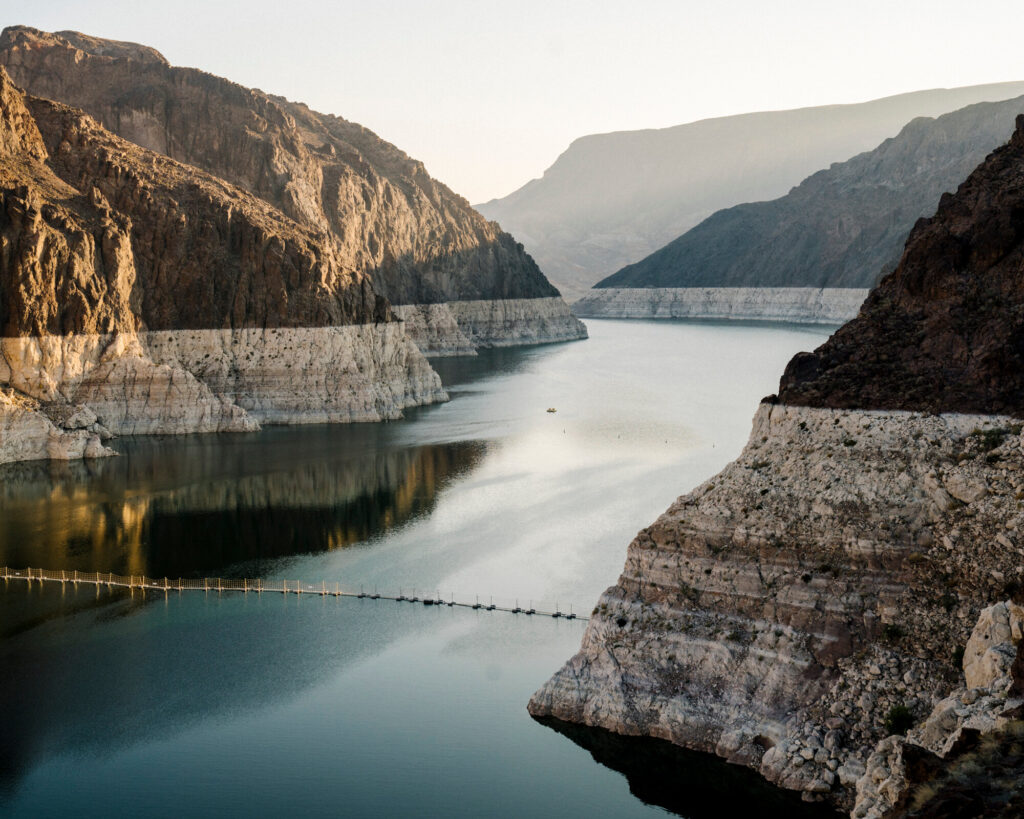
Introduction
In recent years, the Colorado River has been in crisis. The river, which stretches over 2,330 kilometers from its source to the Pacific Ocean, is drying up, threatening not only its own existence but also the ecosystem and human settlements that depend on it. In this article, we will explore the history of the Colorado River, its transformation, and the consequences of its decline.
The Name “Colorado River”
Locals refer to the river as “Aha Kwahwat,” which roughly translates to “River of Smoke.” The name reflects the river’s significance in Native American culture and its role in shaping the region’s history. For centuries, the Colorado River has played a vital role in the lives of indigenous communities, providing drinking water, irrigation for crops, and habitat for numerous species.
Geography and Hydrology
The Colorado River originates from the Rocky Mountains, flows through the Grand Canyon, and eventually empties into the Gulf of California. Its watershed covers approximately 630,000 square kilometers, supporting a diverse range of flora and fauna. However, human activities have altered the river’s course, leading to a decline in its water levels.
The Colorado River is fed by several major tributaries, including the Green River, San Juan River, and Gila River. These tributaries provide critical water resources for agriculture, urban areas, and wildlife habitats. Nevertheless, the river’s flow has been compromised due to human interventions such as dam construction, reservoir creation, and canals.
The Impact of Human Activities
Human intervention has significantly impacted the Colorado River’s ecosystem. The construction of dams, reservoirs, and canals has reduced the river’s flow, causing widespread environmental degradation. One notable example is the Hoover Dam, which diverted water from the river to irrigate the Imperial Valley in California.
Another significant factor contributing to the river’s decline is agriculture. Cotton, in particular, is an water-intensive crop that requires six times more water than lettuce or wheat. Despite this, many farmers have ignored environmental concerns and continued to use excessive amounts of water, exacerbating the river’s decline.
Water Allocation and Management
The Colorado River’s water resources are managed by the U.S. Bureau of Reclamation (USBR) through a complex system of agreements, treaties, and laws. The Colorado River Basin States Agreement, signed in 1928, allocates water among seven states: Arizona, California, Colorado, Nevada, New Mexico, Utah, and Wyoming.
However, this agreement has been criticized for its lack of transparency, fairness, and adaptability to changing environmental conditions. Some argue that the system perpetuates inequality, favoring senior water rights holders at the expense of newer or more environmentally sensitive users.
The Decline of the Grand Canyon
The Grand Canyon, one of the world’s most iconic natural wonders, was shaped by the Colorado River over millions of years. However, the river’s decline has threatened the canyon’s stability and biodiversity. In 1869, John Wesley Powell, a famous explorer, warned that the region lacked sufficient water resources to sustain human settlement.
Today, the Grand Canyon is facing unprecedented threats due to the declining river levels. The canyon’s ecosystem is sensitive to changes in water flow, temperature, and nutrient availability. As the river continues to dry up, the risk of erosion, sedimentation, and loss of unique ecosystems increases.
Agricultural Drain
Agriculture is a significant user of water in the Colorado River basin. Cotton, in particular, is an water-intensive crop that requires six times more water than lettuce or wheat. Despite this, many farmers have ignored environmental concerns and continued to use excessive amounts of water, exacerbating the river’s decline.
To mitigate these impacts, some experts recommend adopting sustainable agricultural practices such as drip irrigation, precision agriculture, and integrated pest management. These approaches can reduce water waste, improve crop yields, and enhance soil health while minimizing the river’s load.
Water Conservation
Water conservation is essential to addressing the Colorado River crisis. Individuals, businesses, and governments must work together to implement effective measures that reduce water usage, increase efficiency, and protect the ecosystem.
Innovative technologies such as rainwater harvesting systems, graywater reuse, and efficient appliances can help reduce household water consumption. Additionally, promoting water-saving practices in agriculture, industry, and municipalities is crucial to maintaining the river’s flow.
Policy Reforms
To address the Colorado River crisis, policy reforms are necessary to ensure that existing resources are used efficiently and effectively. Some proposed solutions include:
- Water banking: Allowing water savings from one year to be banked for use in subsequent years.
- Drought management plans: Developing comprehensive plans to manage drought-related impacts on agriculture, urban areas, and wildlife habitats.
- Ecosystem restoration: Investing in projects that restore degraded habitats, improve biodiversity, and enhance ecosystem resilience.
Conclusion
The Colorado River’s decline is a pressing environmental issue that requires immediate attention. As we move forward, it is essential to recognize the river’s importance and work towards preserving its integrity for future generations.
By adopting sustainable agricultural practices, implementing effective water conservation measures, and promoting policy reforms, we can mitigate the effects of the crisis and ensure a more resilient and equitable management of the Colorado River’s resources.
Frequently Asked Questions (FAQs)
Q: What is the current status of the Colorado River?
A: The Colorado River is in a state of crisis, with significant declines in water levels and increasing signs of drought.
Q: How has human activity impacted the river’s ecosystem?
A: Human activities such as dam construction, reservoir creation, and agricultural use have altered the river’s flow and disrupted its natural balance.
Q: What is being done to address the Colorado River crisis?
A: The U.S. Bureau of Reclamation is working on a comprehensive plan to conserve water, increase efficiency, and protect the ecosystem.
Q: How will the decline of the Grand Canyon affect biodiversity?
A: The Grand Canyon’s stability and biodiversity are threatened by the declining river levels, which can lead to erosion, sedimentation, and loss of unique ecosystems.
Q: Can anything be done to reverse the decline of the Colorado River?
A: While it may not be possible to completely restore the river to its former state, concerted efforts to conserve water, increase efficiency, and protect the ecosystem can help mitigate the effects of the crisis.
Q: What role does agriculture play in the Colorado River’s decline?
A: Agriculture is a significant user of water in the river basin, with cotton being an especially water-intensive crop. Sustainable agricultural practices are essential to reducing the river’s load.
Q: How can individuals contribute to preserving the Colorado River?
A: Individuals can make a difference by adopting water-saving practices, supporting conservation efforts, and promoting sustainable agriculture and land use practices.


