
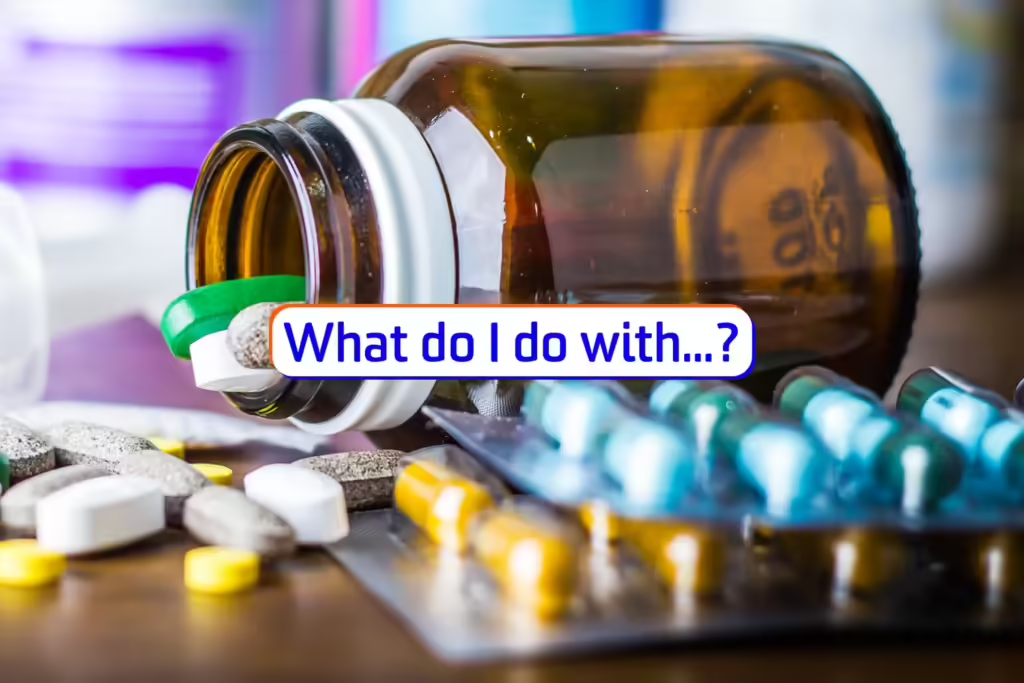
As a society, we have become increasingly aware of the importance of responsible waste management. This includes not only reducing, reusing, and recycling waste but also ensuring that hazardous materials are disposed of properly. One often overlooked aspect of waste management is the collection of expired and unexpired medicines.
In this article, we will explore the importance of medicine waste management, the differences between expired and unexpired medicines, and the ways in which individuals and communities can participate in responsible waste disposal practices.
The Importance of Medicine Waste Management
Medicine waste, including both expired and unexpired medicines, poses a significant threat to public health and the environment. If not disposed of properly, medicine waste can contaminate soil and water sources, harm wildlife, and even pose a risk to human health.
In Italy, for example, the collection of expired and unexpired medicines is an important part of responsible waste management practices. The government has established specific guidelines for the disposal of these types of waste, and many communities have implemented initiatives to promote recycling and reuse.
The Difference Between Expired and Unexpired Medicines
Expired medicines are those that have passed their expiration date or are no longer effective. These medications should be disposed of properly to prevent harm to individuals and the environment.
Unexpired medicines, on the other hand, are those that are still effective but may no longer be needed by their original prescriber. In many cases, these medications can be donated to pharmacies, clinics, or other organizations that provide care to vulnerable populations.
The Collection of Expired Medicines
In Italy, expired medicines are typically collected in special containers and disposed of through incineration or landfilling. This process is designed to prevent the spread of disease and reduce the risk of environmental contamination.
Individuals can participate in the collection of expired medicines by:
- Returning them to their local pharmacy during designated collection days
- Participating in community-based initiatives that promote responsible medicine waste management
The Collection of Unexpired Medicines
Unexpired medicines are a valuable resource that can be donated to organizations that provide care to vulnerable populations. In Italy, the “Banco Farmaceutico” is an initiative that accepts and redistributes unexpired medicines with at least 8 months of validity.
To participate in this program, individuals must:
- Ensure that the medications are still effective and not expired
- Donate them to participating pharmacies or clinics during designated collection days
Other Types of Medicine Waste
In addition to expired and unexpired medicines, there are other types of medicine waste that require special attention. These include:
- Sharps (needles, syringes, etc.)
- Biohazardous materials
- Pharmaceutical packaging and labeling
These types of waste should be handled and disposed of according to strict guidelines to prevent harm to individuals and the environment.
Benefits of Medicine Waste Management
Medicine waste management offers several benefits, including:
- Reduction in environmental pollution: By properly disposing of expired and unexpired medicines, we can reduce the amount of hazardous materials that end up in landfills and waterways.
- Prevention of disease spread: Proper disposal of medicine waste helps prevent the spread of diseases and reduces the risk of infection.
- Conservation of natural resources: Medicine waste management can help conserve natural resources by reducing the need for new materials and minimizing waste.
Challenges in Medicine Waste Management
Despite the importance of medicine waste management, there are several challenges that need to be addressed. These include:
- Lack of awareness: Many individuals and communities are unaware of the risks associated with expired and unexpired medicines and may not know how to properly dispose of them.
- Limited resources: Some communities may lack access to specialized equipment or facilities for proper disposal of medicine waste, making it difficult to implement effective waste management practices.
- Regulatory challenges: Medicine waste management is regulated by various laws and guidelines, which can create confusion and make it challenging to develop and implement effective waste management strategies.
Conclusion
The collection of expired and unexpired medicines is an important aspect of responsible waste management practices. By participating in initiatives that promote recycling and reuse, individuals can help reduce waste and promote public health.
As we move forward, it’s essential to recognize the importance of medicine waste management and take action to address this critical issue. By working together, we can create a safer, healthier environment for everyone.
Frequently Asked Questions
- What happens to expired medicines after they are collected?
- In Italy, expired medicines are typically incinerated or landfilled to prevent the spread of disease and reduce the risk of environmental contamination.
- Can I donate unexpired medicines to my local pharmacy?
- Yes, many pharmacies accept donations of unexpired medicines with at least 8 months of validity. However, it’s essential to check with your local pharmacy before donating.
- What types of medicine waste require special attention?
- Sharps (needles, syringes, etc.), biohazardous materials, and pharmaceutical packaging and labeling are just a few examples of the types of medicine waste that require special attention.
- How can I participate in initiatives that promote responsible medicine waste management?
- You can participate by returning expired medicines to your local pharmacy during designated collection days or by participating in community-based initiatives that promote responsible medicine waste management.
- What are the benefits of collecting and recycling unexpired medicines?
- By collecting and recycling unexpired medicines, you can help reduce waste and promote public health. Additionally, it’s an opportunity to make a positive impact on your community and contribute to a more sustainable future.
Note that the information provided in this article is for informational purposes only and should not be considered as professional advice. For specific guidance on medicine waste management practices, please consult with local authorities or healthcare professionals.


