
As the world becomes increasingly aware of the importance of water conservation, collecting rainwater for irrigation has become a popular solution. But is it effective? And how can you make the most of this free resource? In this article, we’ll delve into the world of rainwater collection, exploring its benefits, methods, and tips to help you get started.
Is Rainwater Good for Watering My Garden?
The answer is yes! Rainwater is free from lime, making it ideal for irrigating plants. In fact, rainwater can be up to 1% more acidic than tap water, which can help prevent nutrient deficiencies in your soil. Plus, it’s a great way to reduce your water bill and minimize the impact of droughts.
How to Collect Rainwater on the Balcony
Collecting rainwater on the balcony is easier than you think. You can use outdoor containers or bottles, especially if you have a few plants. If you need to collect large amounts of water, you can direct the downspout onto an underground storage tank. Here are some methods to get you started:
- Use large, wide-mouthed containers: These can be easily emptied into smaller tanks, making it easy to manage your rainwater collection.
- Position bottles with wide spouts: Increasing the surface area for collecting rainwater will help you gather more water from your balcony.
- Install a mini system: This typically consists of three main components:
- A diverter to separate stormwater from clean rainwater
- A filter to remove impurities
- A storage tank
How to Collect Rainwater in the Garden
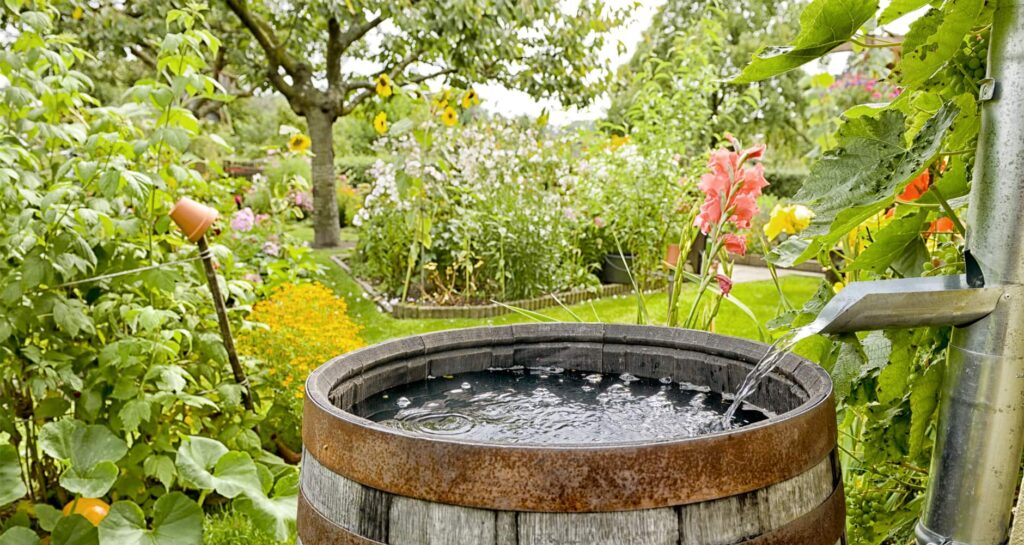
You can use similar methods to collect rainwater on the balcony, but also take advantage of the gutters and downspouts to direct water into a large storage tank. This is especially useful if you have a small garden or no space for underground tanks.
To create an irrigation system, connect the rainwater collection system to your existing irrigation system or install a new one. You can use the stored rainwater to irrigate your plants and save potable water.
Setting Up a Rainwater Collection System
Setting up a rainwater collection system requires several steps:
- Identify a suitable location for the storage tank: Choose a spot that’s accessible, level, and protected from direct sunlight.
- Connect the downspout to the storage tank using pipes and fittings: Make sure the connections are secure and won’t leak.
- Add a filter to remove impurities from the rainwater: This will ensure your water is clean and safe for irrigation.
- Install an irrigation system to distribute the collected water throughout your garden: This will help you optimize your water usage and reduce waste.
Choosing the Right Filter
When choosing a filter, consider your specific needs and the size of your garden. You can also consult with experts or read more about rainwater collection systems for additional information. Some popular filter options include:
- Autopulente filter
- Filter in chambers
- Centrifugal filter
Tips and Tricks
If you don’t have enough space, consider smaller tanks or collapsible containers. You can also purchase cisterns that can be buried underground. With large enough storage tanks, you’ll not only irrigate your plants but will have stored rainwater for other purposes like washing cars or cleaning outdoor surfaces.
Some common mistakes to avoid when setting up a rainwater collection system include:
- Using the wrong type of container: Make sure the container is suitable for storing rainwater and can withstand extreme temperatures.
- Failing to install a proper filter: A good filter will ensure your water is clean and safe for irrigation.
- Neglecting to inspect your system regularly: Regular inspections will help you identify any issues or problems before they become major concerns.
Common Mistakes to Avoid
- Using the wrong type of container: Make sure the container is suitable for storing rainwater and can withstand extreme temperatures.
- Failing to install a proper filter: A good filter will ensure your water is clean and safe for irrigation.
- Neglecting to inspect your system regularly: Regular inspections will help you identify any issues or problems before they become major concerns.
- Not considering the local regulations: Familiarize yourself with local laws and regulations regarding rainwater collection systems.
Conclusion
Collecting rainwater for irrigation is a simple and effective way to conserve water and reduce your environmental impact. By following these tips and choosing the right equipment, you can make the most of this free resource and enjoy a lush, healthy garden all year round.
Frequently Asked Questions (FAQs)
- Q: Is rainwater safe for irrigation?
A: Yes, rainwater is generally safe for irrigation as long as it’s filtered and stored properly. - Q: How much rainwater can I collect on my balcony?
A: The amount of rainwater you can collect depends on the size of your balcony and the intensity of rainfall in your area. - Q: What are some common filter options for rainwater collection systems?
A: Some popular filter options include autopulente filters, filters in chambers, and centrifugal filters. - Q: Can I use rainwater to wash cars or clean outdoor surfaces?
A: Yes, rainwater can be used for these purposes as long as it’s filtered and stored properly. - Q: How often should I inspect my rainwater collection system?
A: It’s recommended to inspect your system regularly to ensure that it’s working properly and not leaking. - Q: Can I collect rainwater in areas with high levels of pollution or debris?
A: No, it’s generally not recommended to collect rainwater in areas with high levels of pollution or debris as this can contaminate the water. - Q: How long does it take for a rainwater collection system to pay for itself?
A: The time it takes for a rainwater collection system to pay for itself depends on several factors, including your water usage and local prices for potable water. - Q: Can I use rainwater for irrigation in areas with low rainfall?
A: While it may be more challenging, it’s still possible to collect rainwater for irrigation in areas with low rainfall.


