
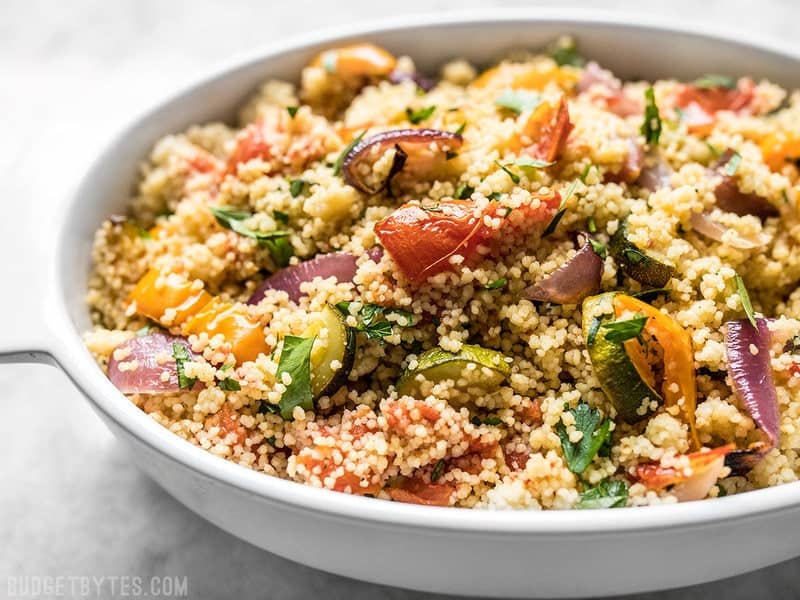
What is Couscous?
Couscous is a traditional North African dish made from semolina flour, water, and salt. It’s often served cold, and its versatility has led to countless variations across the region. In this article, we’ll explore the history of couscous, its preparation, and some delicious recipes to try.
A Brief History of Couscous
Couscous has been a staple in North African cuisine for centuries. The dish originated in Morocco, where it was served as a main course. Over time, it spread to other countries, including Algeria, Tunisia, and Libya. In Italy, couscous became popular during the Sicilian period, when it was considered an essential food item.
What is Couscous Made Of?
Couscous is made from semolina flour, which is coarsely ground durum wheat. The semolina is cooked in water to create small, porous grains that absorb flavors and textures. When couscous is served, it’s often accompanied by a variety of ingredients, such as meat, vegetables, and spices.
Properties of Couscous
Couscous is a nutritious food that provides approximately 3.6 grams of protein per 100 grams. It also contains low amounts of calcium and iron but rich in potassium. A serving of couscous (173 grams) contains around 176 calories, with 100 grams providing about 100 calories.
Types of Couscous
There are several types of couscous available, each with its unique characteristics and flavors. Some popular options include:
- Semolina couscous: This is the most common type of couscous made from coarsely ground semolina flour.
- Whole wheat couscous: Made from whole wheat flour, this type of couscous is higher in fiber and nutrients compared to traditional semolina couscous.
- Rice-based couscous: A variation that uses rice flour instead of semolina, often flavored with herbs and spices.
Couscous Di Verdure Freddo: A Refreshing Summer Salad
One of the most popular variations of couscous is the cold version, often referred to as “couscous di verdure freddo” in Italian. This refreshing summer salad is made with a mix of colorful vegetables, feta cheese, and herbs.
Ingredients for Couscous Di Verdure Freddo
- 500 grams of couscous
- 200 grams of feta cheese
- 500 grams of mixed tomatoes (yellow, red, green)
- 3 zucchinis, sliced
- 12 dried tomatoes, chopped
- 1 roasted pepper, diced
- 2 tablespoons of olive oil
- 40 grams of toasted almonds
- 1 teaspoon of curry powder
- Fresh mint leaves
- Salt and black pepper to taste
How to Prepare Couscous Di Verdure Freddo
- Boil water in a large pot and cook couscous according to package instructions.
- In a separate pan, sauté zucchinis with olive oil, salt, and curry powder until tender.
- Chop dried tomatoes and mix with roasted pepper, feta cheese, and fresh mint leaves.
- Add all ingredients to the cooked couscous and toss gently.
- Serve immediately, garnished with toasted almonds and a sprinkle of black pepper.
Couscous Siciliano: A Traditional Sicilian Dish
In Sicily, couscous was once a staple food item, earning it recognition as a Protected Designation of Origin (PDO) product in Italy. The traditional Sicilian version is called “couscous trapanese” and is served with a fish broth made from various fish species.
Traditional Sicilian Couscous Recipe
- 500 grams of couscous
- 1 liter of fish broth (made with various fish species)
- 200 grams of shrimp, peeled and deveined
- 100 grams of mussels, scrubbed and debearded
- 2 tablespoons of olive oil
- 1 onion, chopped
- 2 cloves of garlic, minced
- 1 teaspoon of dried thyme
- Salt and black pepper to taste
How to Prepare Couscous Siciliano
- Cook couscous according to package instructions.
- In a separate pan, sauté shrimp and mussels with olive oil, onion, garlic, and thyme until cooked through.
- Add fish broth to the cooked couscous and toss gently with the seafood mixture.
- Serve immediately, garnished with fresh parsley and lemon wedges.
Other Delicious Couscous Recipes
- Couscous alla Marocchina: A traditional Moroccan dish made with chicken, vegetables, and spices.
- Couscous con Vegeti: A simple and flavorful recipe featuring roasted vegetables and herbs.
- Couscous Fricassee: A hearty stew made with meat, vegetables, and couscous.
Tips and Tricks for Cooking Couscous
- Use the right water ratio: The ideal water-to-couscous ratio is 2:1. This ensures that the couscous cooks evenly and doesn’t become too soggy.
- Don’t overcook: Cook couscous until it’s tender but still retains its firm texture.
- Experiment with flavors: Couscous can be flavored with a wide range of ingredients, from herbs and spices to meats and vegetables.
Conclusion
Couscous is a versatile and delicious North African dish that has become an integral part of many cuisines around the world. Whether you’re making couscous di verdure freddo, a refreshing summer salad, or couscous siciliano, a traditional Sicilian dish, this article has provided you with the necessary knowledge to get started.
Frequently Asked Questions
- What is the difference between couscous and bulgur?
Couscous and bulgur are both made from semolina flour but have distinct textures and flavors. Bulgur is typically coarser and chewier, while couscous is softer and more porous. - How do I cook couscous?
Cook couscous according to package instructions, usually by boiling water in a large pot and cooking the semolina until it’s tender. - What are some common ingredients used in couscous recipes?
Couscous is often served with a variety of ingredients, such as meat, vegetables, and spices. Some popular options include feta cheese, herbs, and nuts. - Is couscous high in calories?
A serving of couscous (173 grams) contains approximately 176 calories, which is relatively low compared to other grains. - Can I substitute bulgur for couscous in recipes?
Yes, you can substitute bulgur for couscous in many recipes, but keep in mind that the texture and flavor may vary slightly.
Nutritional Information
- Calories: 176 per 100 grams
- Protein: 3.6 grams per 100 grams
- Fat: 1.4 grams per 100 grams
- Saturated fat: 0.2 grams per 100 grams
- Carbohydrates: 37.9 grams per 100 grams
Allergy Information
- Couscous is gluten-free, making it a popular option for those with gluten intolerance or celiac disease.
- However, some couscous recipes may contain allergens such as nuts or shellfish.
Conclusion
Couscous is a nutritious and versatile food that can be enjoyed in many different ways. Whether you’re making traditional Moroccan dishes or modern Italian-inspired recipes, this guide has provided you with the necessary knowledge to get started. So go ahead, experiment with couscous, and discover its rich flavors and textures for yourself!


