
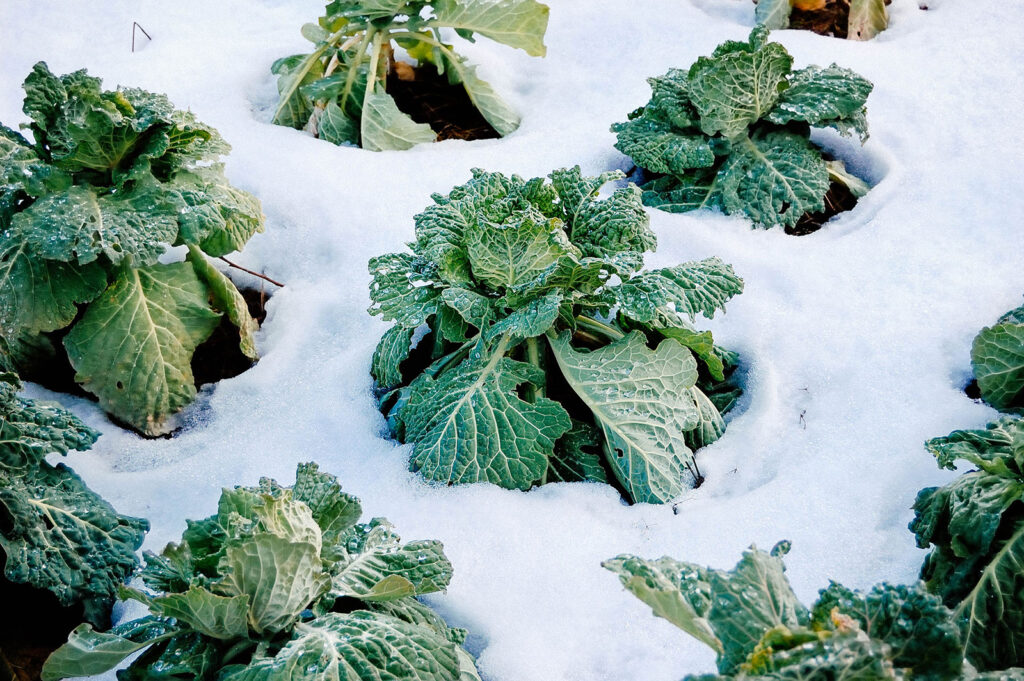
As the temperature drops, many gardeners wonder what vegetables can be grown during the winter months. In this article, we’ll explore the different types of hardy vegetables that can thrive in cold weather, without the need for a greenhouse or special protection.
Understanding Winter Hardy Vegetables
While some vegetables are more resistant to frost than others, it’s essential to note that resistance is not solely determined by the type of vegetable. Instead, it depends on the specific variety. When selecting varieties, look for those labeled as “cold-hardy” or “winter-resistant.” These will be better suited for growth during the winter months.
Growing Vegetables in Winter
One method to grow vegetables during the winter is to use a cold frame or tunnel. This allows you to extend the growing season and increase crop yields. However, some vegetables can be grown without special protection, using techniques such as mulching and covering with breathable fabric. Keep in mind that even hardy vegetables will require some care during extreme weather conditions.
Winter Hardy Vegetables: Top Picks
While many vegetables can be grown during the winter months, some are more resistant to frost than others. Here are some of the top picks:
- Cauliflower (Verza): A popular choice for cold climates, cauliflower is relatively easy to grow and can thrive in temperatures as low as 25°F (-4°C).
- Broccoli: Another brassica family member, broccoli is also well-suited for winter growth.
- Kale: This leafy green is a great addition to any winter garden, tolerating temperatures as low as 15°F (-9°C).
- Spinach: A cold-hardy green, spinach can be grown in early spring or late summer, and can tolerate temperatures as low as 10°F (-12°C).
Vegetables with Medium Resistance to Frost
While some vegetables are more resistant to frost than others, many still require protection during extreme weather conditions. Here are a few examples of medium-resistant vegetables:
- Carrots: These crunchy roots can be grown in the winter months but may need some protection from extreme cold.
- Beets: Both the leaves and roots of beets can be harvested in the winter, provided they receive adequate protection from frost.
- Radishes: Spicy and flavorful, radishes are a great addition to any winter garden.
Vegetables with Low Resistance to Frost
Some vegetables simply aren’t suited for growth during the winter months. These include:
- Tomatoes: While tomatoes can be grown in greenhouses or under supplemental lighting, they’re not well-suited for outdoor growth during the winter.
- Peppers: Similar to tomatoes, peppers require a long growing season and warm temperatures to thrive.
Adapting to Changing Climate
The changing climate is affecting gardening practices worldwide. Vegetables that were once thought to be cold-hardy may now struggle with extreme weather conditions. It’s essential to adapt your garden accordingly, taking into account factors such as temperature fluctuations and unexpected frost events.
Tips for Growing Winter Hardy Vegetables
Here are some additional tips to help you grow winter hardy vegetables:
- Choose the right location: Make sure the area you choose is well-draining and receives enough sunlight.
- Use cold frames or tunnels: These can provide a protected environment for your vegetables, even in extreme weather conditions.
- Mulch and cover with breathable fabric: This can help retain moisture and protect your plants from frost.
- Start early: Begin growing your winter hardy vegetables as soon as possible to take advantage of the cold weather.
- Be prepared for pests: Winter is a time when pests like rodents, deer, and slugs may be more active.
Common Mistakes to Avoid
Here are some common mistakes to avoid when growing winter hardy vegetables:
- Underestimating frost damage: Be aware that even cold-hardy vegetables can still suffer from frost damage if the temperature drops too low.
- Not providing enough sunlight: Make sure your vegetables receive enough sunlight to photosynthesize and grow properly.
- Not watering adequately: Vegetables need consistent moisture, especially during the winter months when temperatures are cooler.
Frequently Asked Questions
- Q: How do I protect my winter-hardy vegetables from extreme frost?
A: Use breathable fabric or other forms of protection to cover your plants during extremely cold weather. - Q: Can I grow vegetables in a greenhouse during the winter months?
A: Yes, greenhouses can provide a controlled environment for growing a wide range of vegetables year-round. - Q: Are there any specific varieties of winter-hardy vegetables that are best suited for my climate?
A: Absolutely! Consult with local nurseries or gardening experts to determine the best varieties for your region and microclimate. - Q: How do I extend the growing season in my garden?
A: Use techniques such as cold frames, tunnels, or row covers to create a protected environment for your vegetables. - Q: Can I grow winter-hardy vegetables without any protection?
A: Yes, some vegetables can be grown without special protection using techniques such as mulching and covering with breathable fabric.
Conclusion
Growing vegetables during the winter months can be a rewarding experience, but it requires careful planning and attention to detail. By understanding which vegetables are hardy in cold weather and adapting to changing climate conditions, you can enjoy a bountiful harvest even in the coldest of seasons.
Additional Resources
If you’re interested in learning more about growing winter hardy vegetables, here are some additional resources:
- Local nurseries: Consult with local nurseries or gardening experts to determine the best varieties for your region and microclimate.
- Online forums: Join online forums or social media groups to connect with other gardeners and learn from their experiences.
- Gardening books: Check out gardening books from your local library or purchase them online for additional information on growing winter hardy vegetables.
By following these tips and taking advantage of the resources available, you can enjoy a successful harvest even in the coldest of seasons. Happy gardening!


