
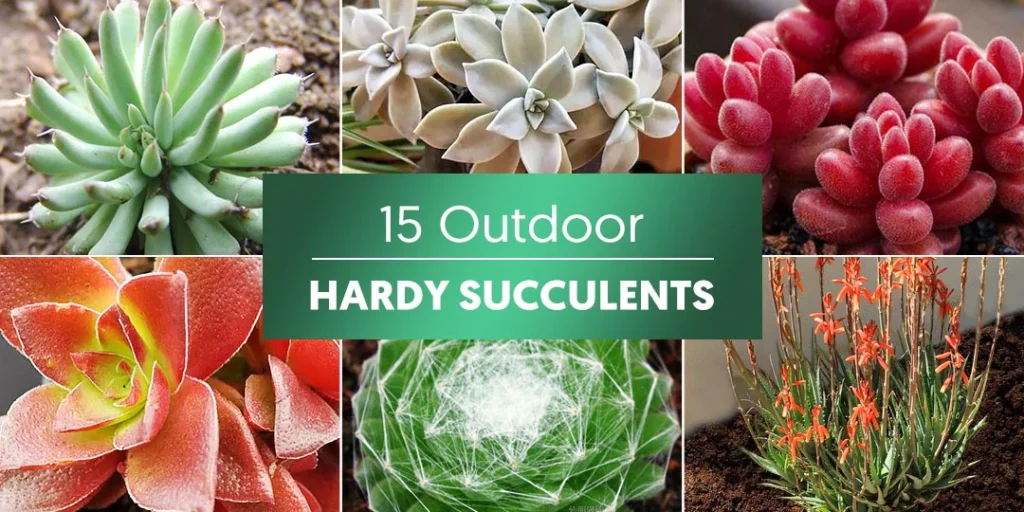
As the winter months approach, succulent enthusiasts in cold climates may find themselves struggling to keep their plants alive. While many succulents are sensitive to frost and freezing temperatures, there are several species that can withstand harsh winters with proper care.
In this article, we’ll explore the world of winter-hardy succulents, discussing the types of plants that can thrive in cold weather, how to care for them during the winter months, and providing tips on protecting your succulent collection from frost damage.
Understanding Winter-Hardy Succulents
Not all succulents are created equal when it comes to withstanding cold temperatures. Some species have evolved to survive and even thrive in environments where other plants would perish. These plants have adapted to the harsh conditions by developing unique physiological and morphological features that enable them to cope with frost, snow, and freezing temperatures.
To identify winter-hardy succulents, look for species that belong to certain genera, such as:
- Echinocereus
- Mammillaria
- Gymnocactus
- Lobivia
- Notocactus
- Trichocereus
These plants are known for their ability to tolerate frost and freezing temperatures, but it’s essential to note that even winter-hardy succulents can still be damaged or killed if exposed to extreme cold snaps.
Caring for Winter-Hardy Succulents
While winter-hardy succulents can withstand harsh winters, they still require proper care to thrive. Here are some tips on how to care for these plants during the winter months:
- Provide adequate light: While many succulents need intense sunlight to photosynthesize, winter-hardy succulents often require less light to survive.
- Keep them dry: Winter-hardy succulents can tolerate dry conditions better than other succulent species. However, make sure they’re not too dry, as this can cause stress and damage.
- Water sparingly: Water your winter-hardy succulents only when the soil is completely dry to the touch. Overwatering can be detrimental to these plants.
- Protect from frost: If you live in an area with harsh winters, make sure to protect your winter-hardy succulents from frost damage by bringing them indoors or covering them with a breathable cloth.
Other Winter-Hardy Succulents
While the above genera are known for their ability to withstand cold temperatures, there are other succulent species that can thrive in winter conditions. These plants include:
- Euphorbia
- Discocactus
- Melocactus
- Monadenium
- Uebelmannia
These plants are more sensitive to frost and freezing temperatures than the previous genera mentioned, but with proper care and protection, they can still survive and even thrive in winter conditions.
Protecting Your Succulent Collection
To ensure that your succulent collection survives the harsh winter months, follow these tips:
- Move them indoors: If you live in an area with extreme cold snaps, move your succulents indoors to a bright, dry location.
- Cover them with a breathable cloth: If you can’t bring your succulents indoors, cover them with a breathable cloth to protect them from frost damage.
- Use a heating mat or pad: Consider using a heating mat or pad to keep the soil of your winter-hardy succulents at a comfortable temperature.
Tips for Winter Hardiness
To increase the chances of success when caring for winter-hardy succulents, follow these additional tips:
- Choose plants with thick, fleshy stems and leaves: Plants with thicker stems and leaves tend to be more resistant to cold temperatures.
- Select succulents that are specifically bred for cold hardiness: Some succulent species have been bred specifically for their ability to tolerate frost and freezing temperatures.
- Avoid overwatering: Winter-hardy succulents can still suffer from root rot if the soil is too wet, so make sure to water sparingly during the winter months.
Common Problems with Winter-Hardy Succulents
While winter-hardy succulents are generally more resilient than other succulent species, they can still be susceptible to certain problems. Here are some common issues that may arise:
- Root rot: Overwatering can cause root rot in winter-hardy succulents, leading to soft, mushy stems and leaves.
- Leaf drop: If your winter-hardy succulents experience excessive stress or cold temperatures, they may drop their leaves. This is a normal response, but it can still be distressing for some enthusiasts.
- Frost damage: Frost damage can occur if the temperature drops too low or if the soil is not protected from frost.
Conclusion
Winter-hardy succulents offer a unique opportunity for succulent enthusiasts to enjoy their favorite plants even in cold climates. By choosing the right species and providing proper care, you can ensure that your succulent collection thrives throughout the winter months. Remember to protect your plants from frost damage, and with a little TLC, you’ll be enjoying your winter-hardy succulents all year round.
FAQs
- What are the best succulents for cold climates?
Echinocereus, Mammillaria, Gymnocactus, Lobivia, Notocactus, Trichocereus, and some species of Euphorbia, Discocactus, Melocactus, Monadenium, and Uebelmannia. - How can I protect my succulents from frost damage?
Move them indoors or cover them with a breathable cloth to protect them from frost damage. - Can winter-hardy succulents tolerate extreme cold snaps?
Some winter-hardy succulents can tolerate extreme cold snaps, but it’s essential to monitor their condition and provide protection if necessary. - How often should I water my winter-hardy succulents?
Water your winter-hardy succulents only when the soil is completely dry to the touch. - Can I grow winter-hardy succulents in pots or in the ground?
Winter-hardy succulents can be grown in both pots and in the ground, but make sure the potting mix is well-draining to prevent waterlogged soil. - How long do winter-hardy succulents take to recover from frost damage?
The recovery time for winter-hardy succulents after frost damage varies depending on the species and severity of the damage. - Can I propagate winter-hardy succulents in the winter?
Yes, you can propagate winter-hardy succulents during the winter months by dividing or propagating using leaf cuttings or offsets. - How can I choose the right potting mix for my winter-hardy succulents?
Choose a well-draining potting mix specifically designed for cacti and succulents to prevent waterlogged soil and root rot.
Propagation of Winter-Hardy Succulents
Propagating winter-hardy succulents can be done using various methods, including:
- Leaf cuttings: Take leaf cuttings from your winter-hardy succulent plant and allow them to dry for a few days before planting them in well-draining soil.
- Division: Divide the roots of your winter-hardy succulent plant by carefully separating the individual plants.
- Offset propagation: Use offsets or “pups” that grow on the base of your winter-hardy succulent plant to propagate new plants.
Tips for Propagating Winter-Hardy Succulents
To ensure success when propagating winter-hardy succulents, follow these additional tips:
- Choose healthy parent plants: Select healthy parent plants with strong growth and vibrant color to increase the chances of successful propagation.
- Use fresh potting mix: Use a fresh potting mix specifically designed for cacti and succulents to prevent waterlogged soil and root rot.
- Provide adequate light and temperature: Provide your propagated winter-hardy succulents with adequate light and temperature conditions, such as bright, indirect light and temperatures between 60-70°F (15-21°C).
By following these tips and choosing the right species, you can enjoy a thriving collection of winter-hardy succulents throughout the year.


