
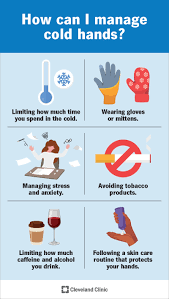
As we step into the chilly autumn and winter months, many of us experience the discomfort of cold hands. This phenomenon is more prevalent in people with circulation issues, but anyone can suffer from it. So, how can you combat this issue and prevent your fingers from becoming ice-cubes? In this article, we’ll explore some practical tips to help you keep your hands warm.
1. Stay Warm
At first glance, staying warm might seem like a no-brainer. However, it’s essential to prioritize this aspect of maintaining warmth in cold weather. When your body temperature drops, the blood vessels constrict to conserve heat. To combat this, make sure to stay at a comfortable temperature indoors and gradually acclimate yourself to colder temperatures.
One way to achieve this is by using a space heater or adjusting your thermostat to maintain a consistent indoor temperature between 68°F and 72°F (20°C and 22°C). Additionally, consider investing in warm throw blankets, pillows, or a cozy throw rug to create a warm and inviting atmosphere in your home.
2. Care for Your Chest
Your chest plays a crucial role in distributing warmth throughout your body. By keeping it warm, you can ensure that the rest of your extremities, including your hands, receive adequate heat. Wear layers that allow you to adjust your clothing according to your activity level and the temperature outside.
A good starting point is to wear a thermal base layer, followed by a mid-layer of fleece or wool, and finally a waterproof outer layer. This will help create a buffer zone between your skin and the cold air, allowing you to regulate your body temperature more efficiently.
3. Avoid Moisture
Moisture on your skin accelerates cold temperatures, leading to cold hands. To minimize this issue, wear gloves or mittens made of breathable materials that prevent moisture buildup. Be cautious not to create an excessive sweat environment, as it can cause a rapid drop in body temperature.
When choosing gloves or mittens, consider the following factors:
- Look for materials with natural insulation properties, such as wool or fleece.
- Opt for gloves or mittens with waterproof membranes to prevent water and moisture from penetrating the fabric.
- Consider wearing gloves or mittens with grip patterns on the palms to improve dexterity and control.
4. Breathe Easy
A brisk wind can quickly make you shiver and freeze your fingers. By wearing gloves or other protective gear, you’ll be able to shield your hands from the cold air. However, don’t forget that cold temperatures can also affect your core and face. Take care of these areas as well to maintain overall warmth.
To keep your face warm, try using a scarf, hat, or earmuffs. These simple accessories can make a significant difference in preventing heat loss from your head and neck. For added protection, consider wearing a balaclava or neck warmer on extremely cold days.
5. Dress Comfortably
Wearing clothing that’s too tight can restrict blood flow and exacerbate cold hands. Make sure your attire isn’t constricting, and choose loose-fitting garments that allow for a comfortable range of motion.
When dressing for cold weather, consider the following tips:
- Wear layers to regulate body temperature.
- Choose breathable fabrics that allow moisture to evaporate quickly.
- Avoid wearing clothing with tight cuffs or sleeves, which can restrict blood flow.
- Opt for gloves or mittens with fingerless designs for improved dexterity.
6. Move Around
Remaining immobile in cold temperatures can lead to numbness and cold fingers. To prevent this, make regular movements with your hands, even if it’s just simple gestures like tapping on a surface or shaking out your arms.
If you’re experiencing numbness or tingling in your fingers, try these exercises:
- Wiggle your toes and fingers.
- Rotate your wrists and ankles.
- Shake out your arms and legs.
- Do some light stretching to improve circulation.
7. Use Hand Warmers
Portable hand warmers can be an excellent option for keeping your fingers warm when you’re outdoors. You can also invest in heated gloves that have built-in warming elements for added convenience.
When choosing hand warmers, consider the following factors:
- Look for products with high-quality insulation properties.
- Opt for compact and portable designs that fit easily in a pocket or purse.
- Consider using reusable hand warmers to reduce waste and save money.
8. Don’t Be Stubborn
If you notice your fingers starting to feel cold, don’t hesitate to take action. Place them under your armpits or on your stomach as a temporary fix. If the situation becomes severe, consult with your doctor for proper advice.
Additionally, if you’re experiencing persistent or severe cold hands, consult with your healthcare professional to rule out any underlying medical conditions that may be contributing to the issue.
9. Stay Hydrated
Drinking plenty of water can help maintain circulation and keep your fingers warm. Aim to drink at least eight glasses of water per day, and avoid sugary or caffeinated beverages that can dehydrate you further.
In addition to staying hydrated, consider incorporating other nutrients into your diet to support overall warmth and circulation:
- Omega-3 fatty acids: found in fish oil supplements or flaxseeds.
- Vitamin B12: essential for maintaining healthy nerve function.
- Iron: important for transporting oxygen throughout the body.
10. Practice Good Foot Care
Your feet play a crucial role in distributing heat from your core to your extremities, including your hands. To ensure that your feet are warm and functioning properly:
- Wear socks made of breathable materials that allow moisture to evaporate quickly.
- Choose shoes with good insulation properties or wear thermal socks for added warmth.
- Avoid wearing shoes that are too tight or constrictive.
By implementing these strategies and taking care of your overall health, you can effectively combat cold hands and enjoy a more comfortable winter season.


